How Do Koreans Say Hi in Text? ㅎㅇ vs. Annyeonghaseyo
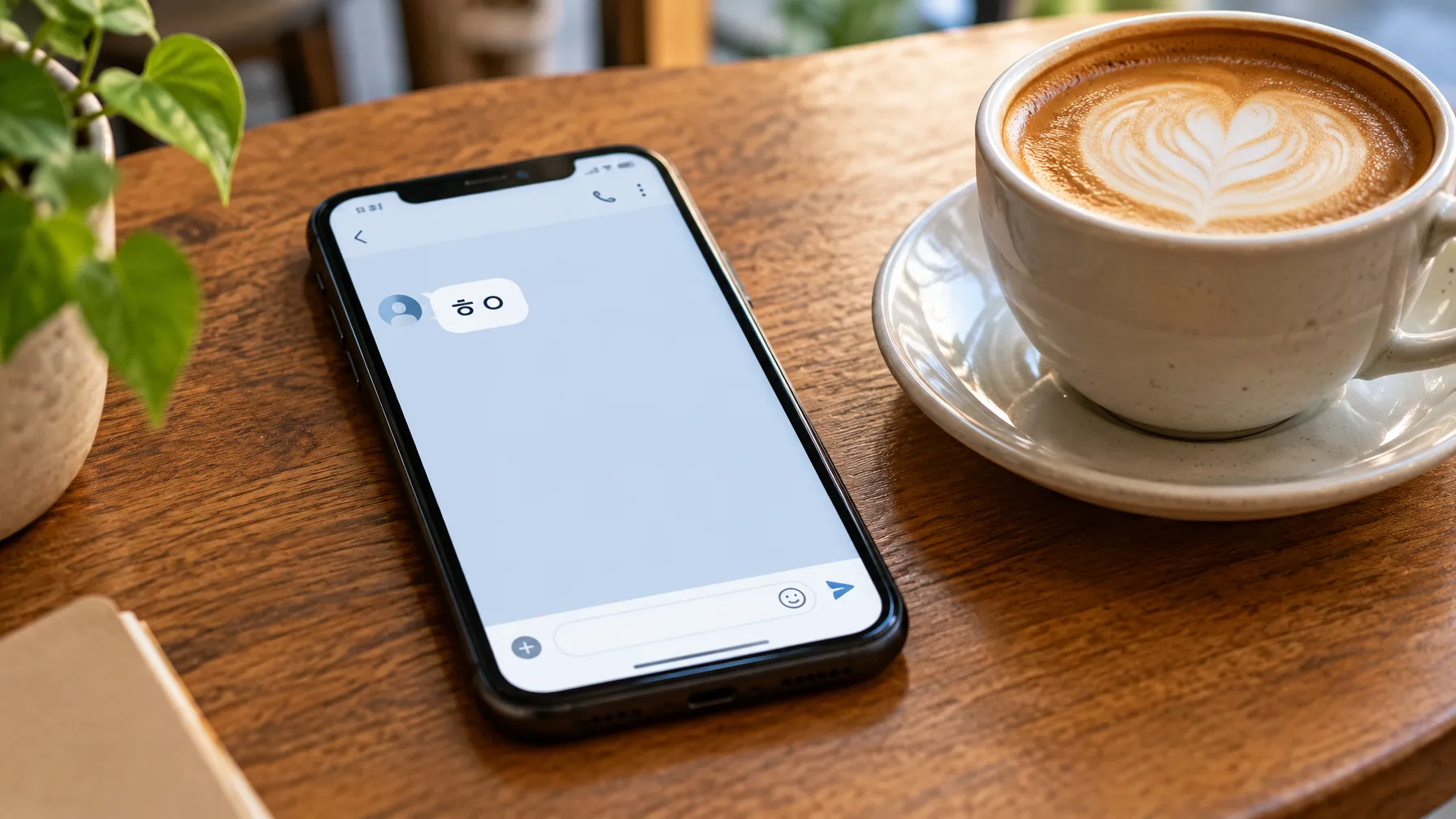
In a Korean text, very close friends can send the shorthand ㅎㅇ, which stands for ha-i (하이), the Korean pronunciation of English "hi." The standard…

Learn Korean › Words & Phrases — what Korean words, slang and expressions mean and how to use them (thank you, oppa, aegyo, daebak), phrases for travelers.
Showing 1–9 of 9 stories · newest first
In a Korean text, very close friends can send the shorthand ㅎㅇ, which stands for ha-i (하이), the Korean pronunciation of English "hi." The standard…
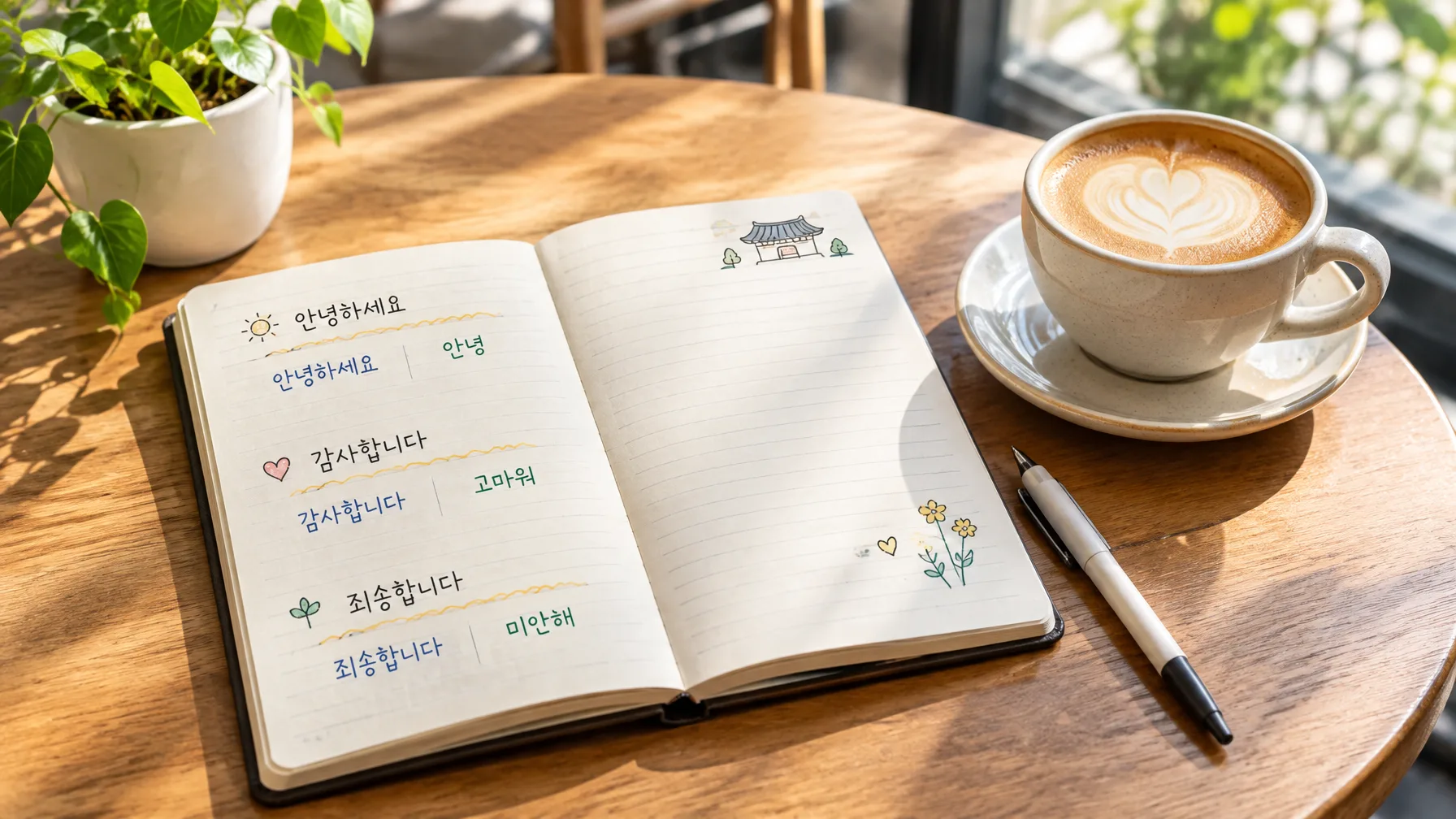
Annyeonghaseyo (안녕하세요), the formal “hello,” is the Korean phrase you hear most often on Korean streets and in K-dramas.
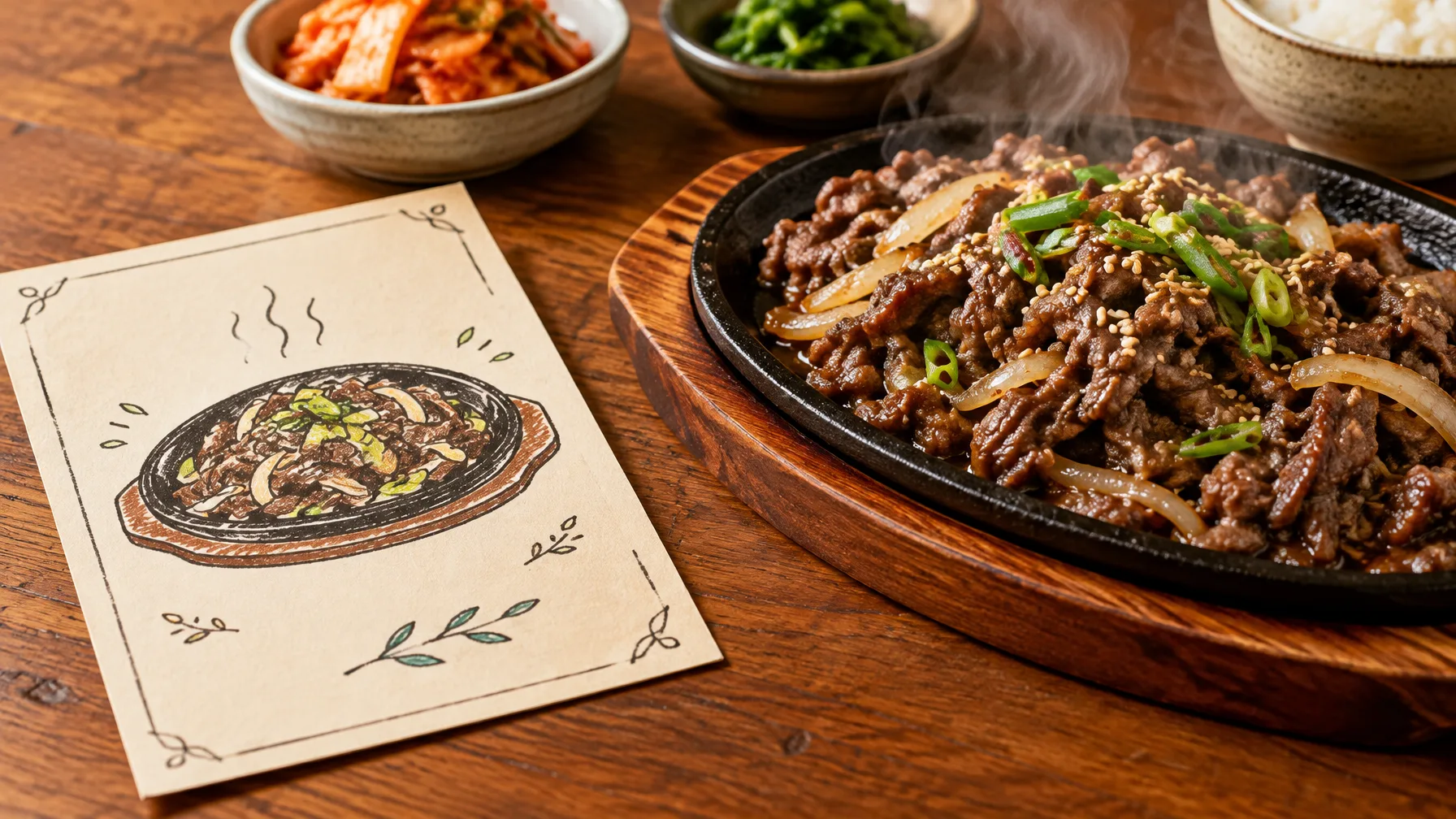
In American English, bulgogi is pronounced /bʊlˈɡoʊ.ɡi/, roughly bul-GOH-gee. The stress falls on the middle syllable.
Korean sentences so often end in -imnida or -ieyo because that ending is the Korean copula, the word for "am/is." Korean also puts the verb at the end of…
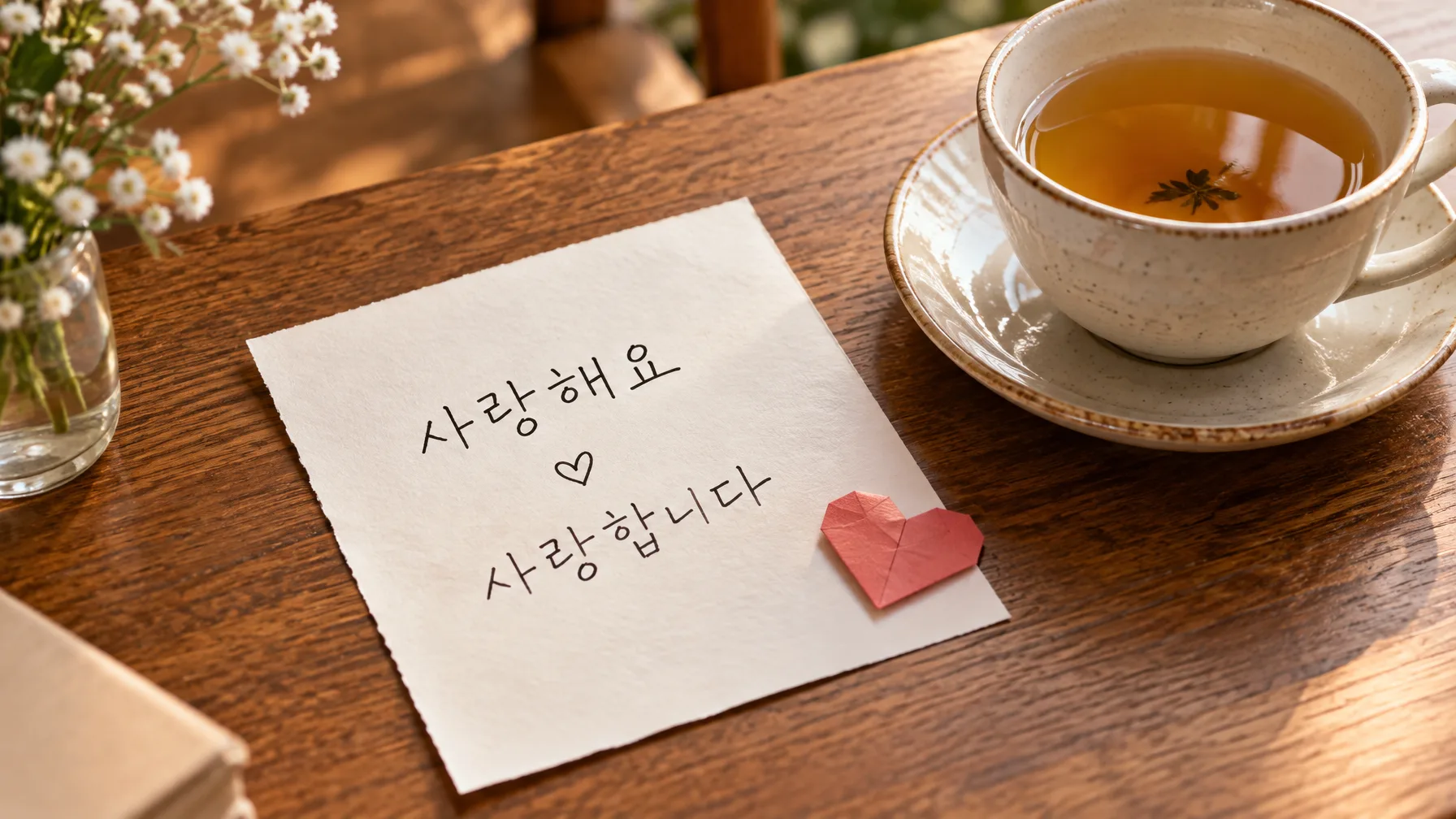
Say saranghaeyo (사랑해요), the more polite form, when you're unsure how close you are or aren't very close yet.
Wondering how to say namaste in Korean? Korean pairs a spoken greeting with a gesture too, but the gesture is a bow instead of pressed palms.
The verb cook is yorihada (요리하다) in Korean, and a person who cooks is a yorisa (요리사).
Basic Korean words come in formal and informal pairs. Yes is ne in any setting, and no is aniyo, which becomes ani when you want it very casual.
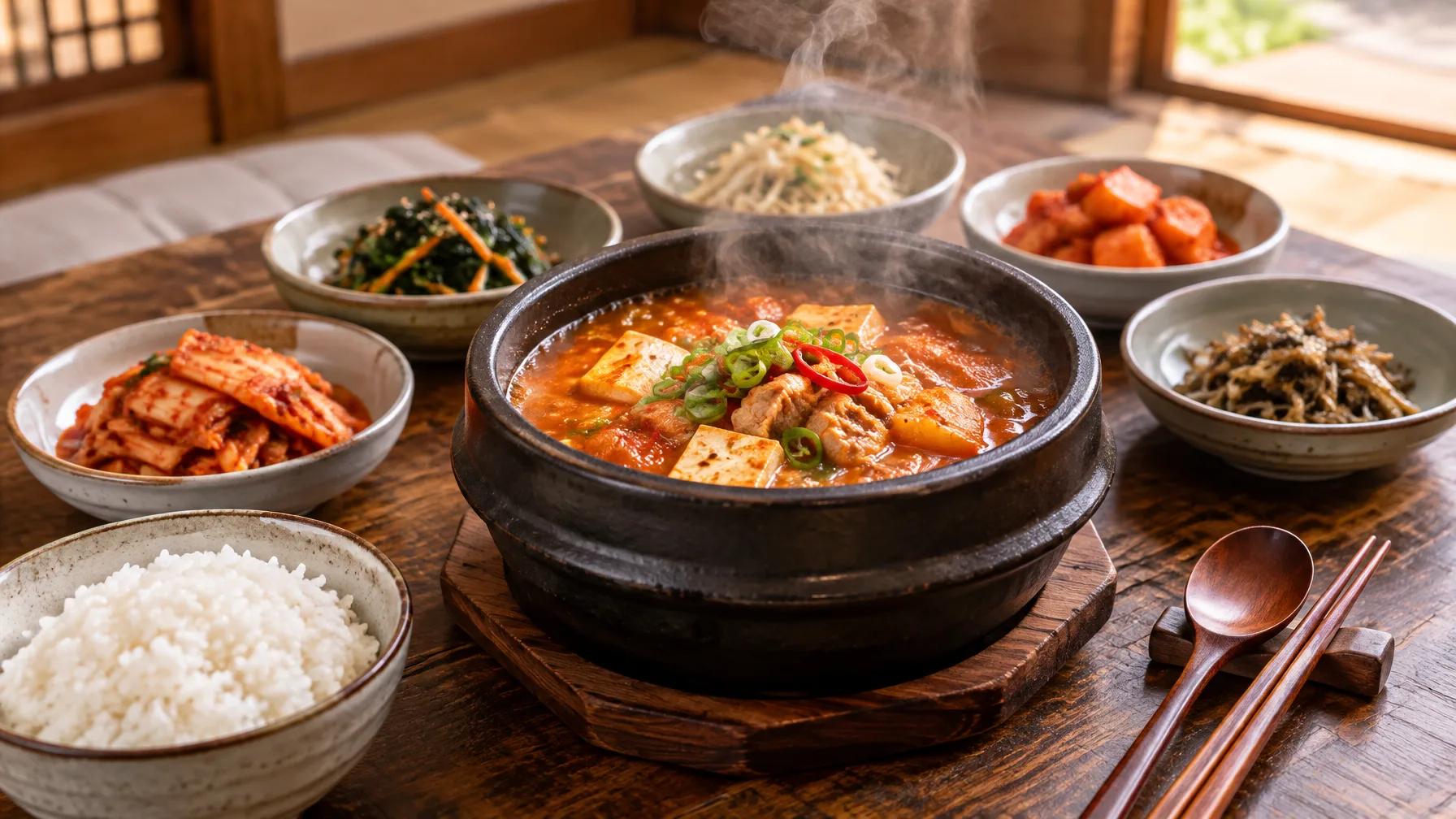
To say very delicious in Korean while you eat, say jeongmal masisseoyo.