
English Teacher in Korea Requirements: What You Need
 AI-generated image
Can anyone teach English in Korea? Not quite. Jobs generally ask for a bachelor's degree in any major from an accredited university. They also ask for native-speaker status from an approved country such as the US. Add TEFL training, with 120 hours the usual minimum cited. Then add a clean background check, and that is the realistic starting line. For a first-timer, the rest of this guide sorts those items by how firm they are. It also covers what to look into before applying.
Degree, approved country, TEFL: the baseline for most jobs
 AI-generated image
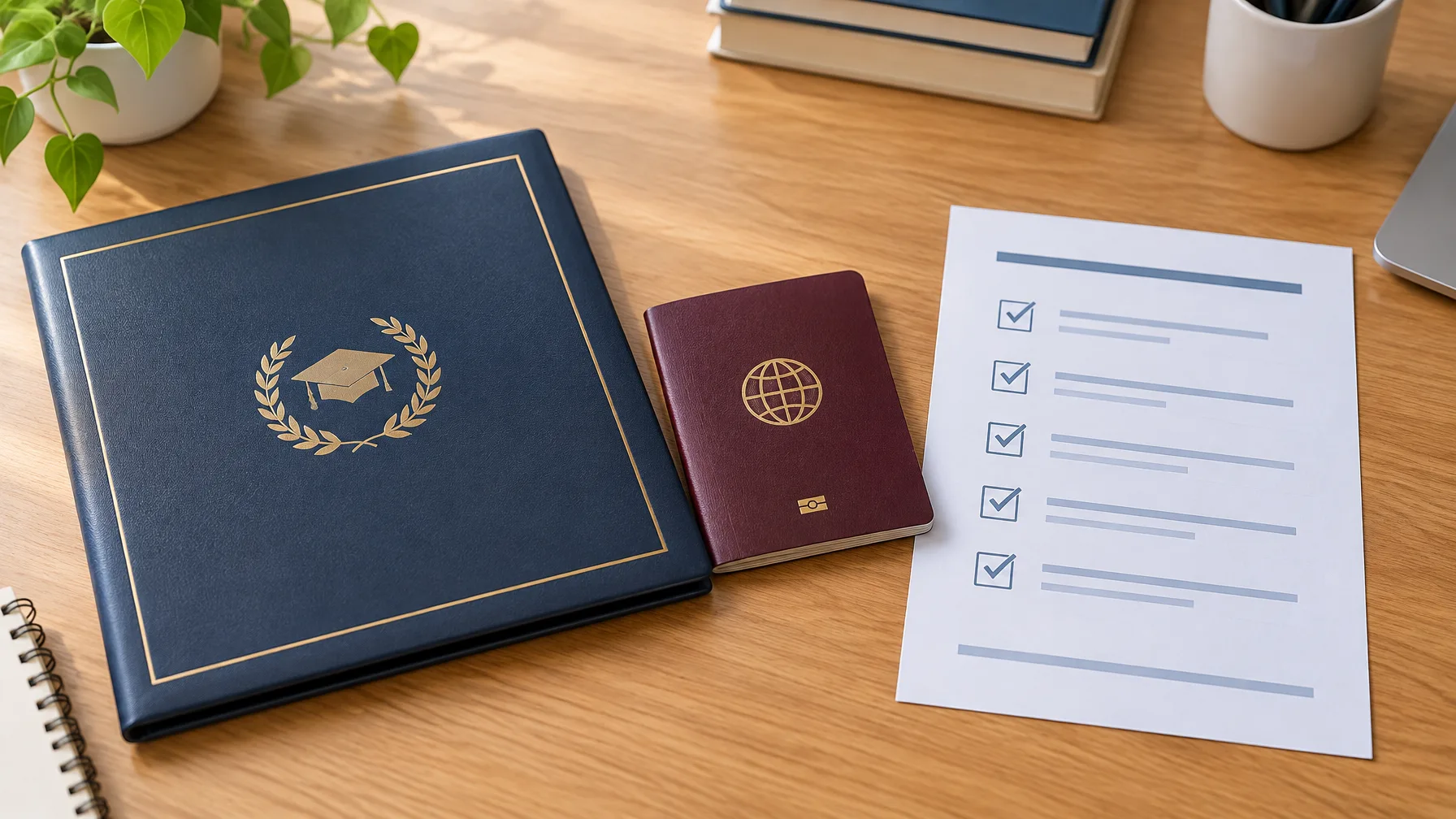
The degree can be in anything. English, business, biology: the major does not matter, but the university has to be accredited. A degree you earned in Korea counts too.
Where you are from is the second requirement. Schools want a native English speaker from an approved country. The ones that come up are the US, Ireland, the UK, South Africa, New Zealand and Australia. Working legally also takes an E-2 visa, a visa issued specifically for foreign-language instructors. The Easiest Route Is Teaching](/korean-life/study-work/can-i-work-in-korea-as-a-us-citizen-the-easiest-route-is-teaching/).
| Item | How firm it is |
|---|---|
| Bachelor's degree, any major, accredited school | Nearly every job asks for it |
| Native-speaker status | Nearly every job asks for it |
| Clean criminal record | Nearly every job asks for it |
| TEFL certificate | Usually a hiring condition, or strongly recommended |
| Hagwon vs. public school research | Do it before you apply |
The degree opens the visa; TEFL helps you get hired
 AI-generated image
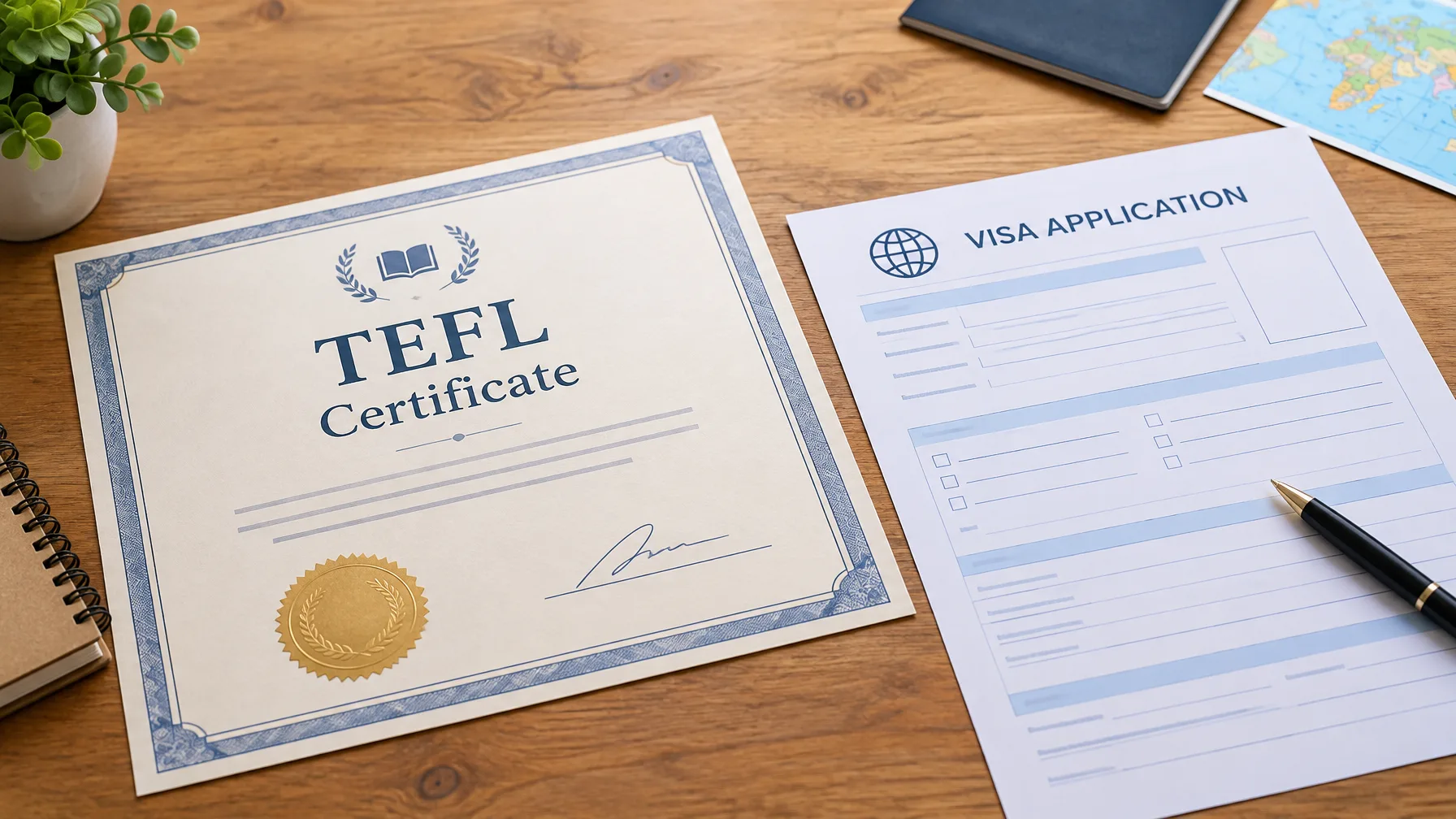
A degree and a TEFL (Teaching English as a Foreign Language) certificate are both commonly listed, and they do different jobs. The degree is mostly there for the visa. Schools usually want the certificate, whether TEFL or TESOL, before they hire someone to stand in front of a class.
Teaching experience is not a hard requirement. You can start without it, and a TEFL certificate is how you make up for the missing classroom time. Both the degree and the certificate are also recommended for better-paying jobs.
University teaching sits a step higher. It calls for a TEFL certificate as well. People with a master's degree are encouraged to look at university lecturer posts.
Skipping the degree is possible but a long shot
 AI-generated image
Can you teach English in Korea without a degree? Technically some schools allow it, but it is not recommended. Teaching in a school without at least a bachelor's degree is very rare. Having the degree raises your odds of being hired.
There is one narrow exception. Some organizations, TaLK among them, accept an associate degree for teaching in after-school programs. That is a different kind of post from a regular school job, so do not plan on it as a workaround.
Non-native speakers face a narrow door
Teaching English in Korea without being a native speaker is difficult. Schools generally expect a native speaker. Many of them limit applicants to Australia, Canada, the US, New Zealand, the UK and South Africa.
Some schools are more flexible about the country, as long as English is your first language. That flexibility is about where you grew up, not about how well you speak. So the extra room is mainly for first-language speakers from outside the usual list.
A clean record matters, and so do a drug test and a checkup
Both the visa and the school look at your history. You need to pass a criminal record check and background screening. For US applicants that means an FBI check and a drug test.
A DUI or a misdemeanor on your record can get you rejected at the visa stage. Many schools also want to know you can pass a drug test and a health checkup, so build that time into your plans.
Hagwon or public school: research before you sign
A hagwon is a private after-school academy, and it is where many first-timers land. The downsides are well known: very long hours, weekend shifts at most of them, and almost no breaks. Some have a reputation for pushing overtime on teachers and paying late or not at all.
Public school jobs have their own catches. A co-teacher is supposed to be in the room, but some teachers end up running class alone. That is hard without classroom management skills. Textbooks can be very basic, and some schools provide no materials or curriculum, which means long prep hours. Public school programs can also end mid-contract, which can mean losing the job and the last month's pay.
Taking a hagwon job without enough research can leave a teacher wishing they had chosen a public school. Recruiters are paid when they place you, and many consider the work done once you land, so the checking falls to you. Talk to a current teacher at the school, away from work hours, before you say yes. Do not apply just anywhere.
Read the contract with the same care, because it is hard to undo. Leaving a contract by running out in the night can get you blacklisted from teaching in Korea again.
Comments
No comments yet.