
Hello in Korean Annyeonghaseyo: Add a 15-Degree Bow
 AI-generated image
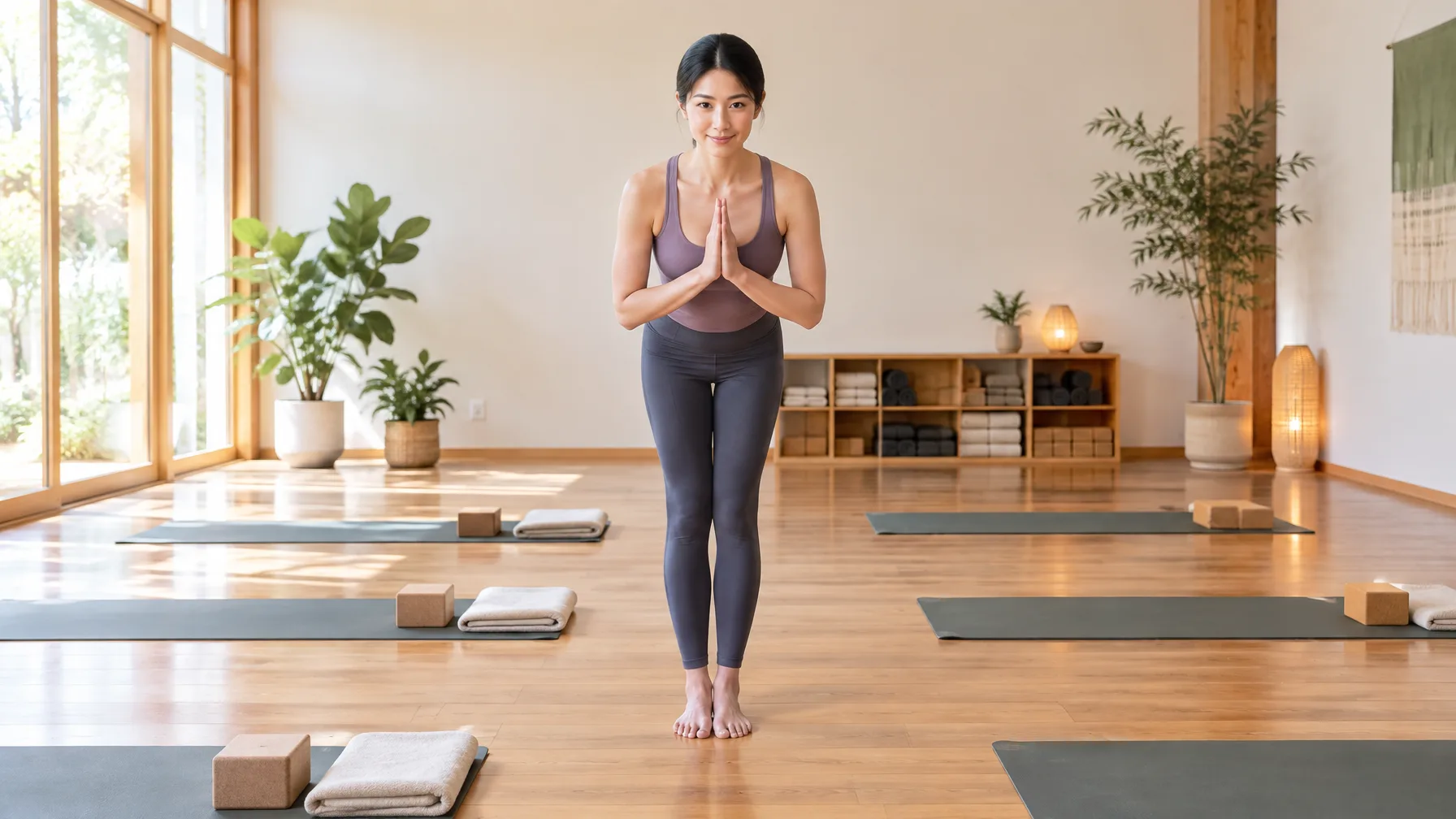
Wondering how to say namaste in Korean? Korean pairs a spoken greeting with a gesture too, but the gesture is a bow instead of pressed palms. Annyeonghaseyo is the most common Korean greeting, and it works with almost anyone at any time of day. A light 15-degree bow alongside it shows respect.
Annyeonghaseyo with a light 15-degree bow covers most hellos
 AI-generated image
Think of the bow as a small, polite dip from the waist, not a deep fold. It is the kind of movement that looks natural when you meet someone face to face. Deeper bows exist and mean other things, and they get their own section below.
If you only learn one respectful Korean greeting before a trip or a class, make it this pair. The rest of this guide is about when to dial it up or down.
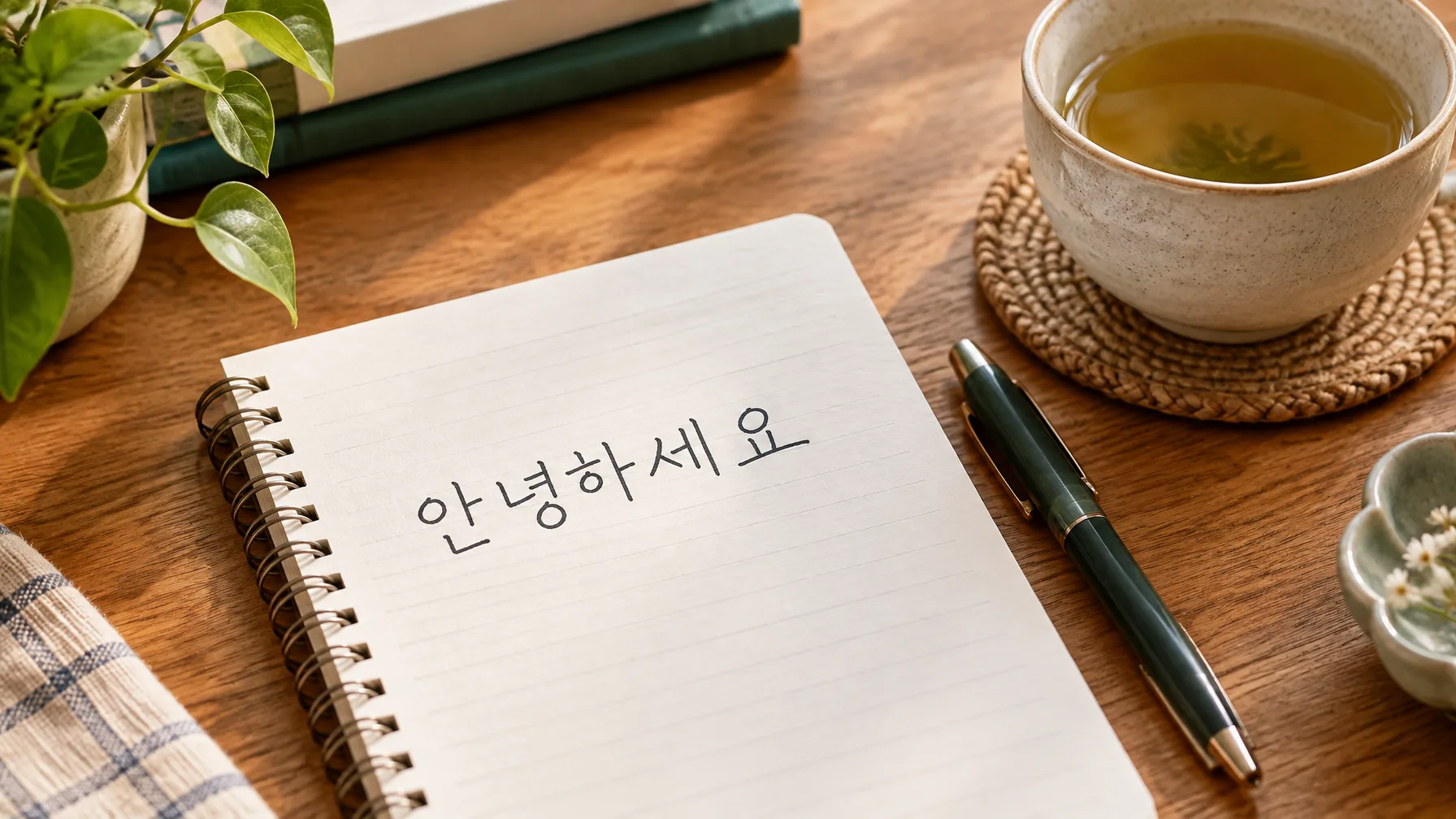
Annyeonghaseyo works as both hello and how are you
 AI-generated image
Annyeonghaseyo is the best-known Korean greeting. It gets translated into English as either "Hello" or "How are you?" It's the greeting for people you meet face to face, so it's the one to use when you walk up to someone. It's not necessarily the one for when you're dashing off a quick text.
Korean also has a more formal hello, annyeonghasimnikka. Many learners meet it as the step above annyeonghaseyo, the version that suits a very formal introduction.
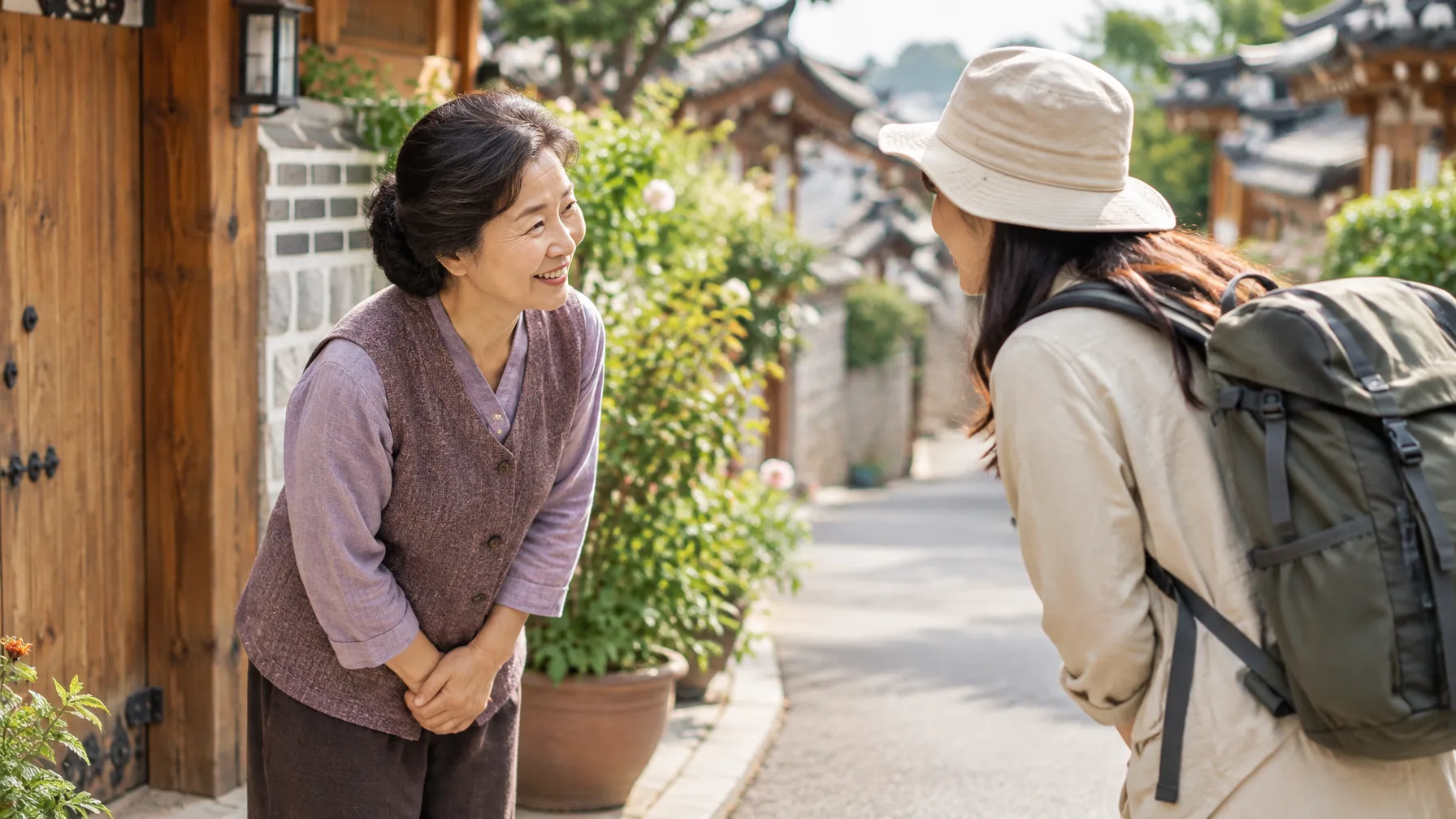
The polite level is the safe default for almost everyone
 AI-generated image
Korean has honorific speech, called jondaemal, and it is used in most public interactions. It matters most when you talk to someone older or of higher status. Annyeonghaseyo sits in that polite register, so it rarely steps on anyone's toes.
The practical upshot: you don't have to work out someone's age or rank in the first second. A greeting that's a little too polite costs you very little. A greeting that's too casual can cost you more, and the casual section below explains where that line sits.
What you need before you try it
Not much. You need the one phrase and the habit of greeting people face to face. You also need a quick read on who you're talking to. Is it someone your age, someone older, someone whose job title outranks yours, or a close friend? That read decides which greeting and which bow angle you reach for.
Also worth knowing. In polite Korean, the title or honorific form you use for the person can matter as much as the greeting itself.
Five moves for a respectful first hello
- Face the person and stand up straight, arms relaxed.
- Say annyeonghaseyo in a clear, friendly voice.
- As you say it, bend lightly from the waist, about 15 degrees, with your eyes lowered.
- Keep your arms at your sides if you are a man. Women often rest their hands together in front.
- In very casual moments, a small nod with annyeonghaseyo is also common.
Practice the sequence a few times in front of a mirror. The goal is a short, quiet bow that finishes as the word ends, not a big show.
From 15 to 45 degrees: how deep to go
Everyday situations call for about 15 degrees, and formal greetings for 30 to 45 degrees. Formal settings, deep thanks and serious apologies call for bending at the waist. The deeper the bow, the more respect or sincerity it shows.
There's no single fixed rule, though. The depth shifts with the age and social status of the person in front of you. Treat the numbers as a guide rather than a measurement.
Annyeong is for close friends and people younger than you
Annyeong is the casual form of the greeting. It is common between peers and close friends in relaxed conversation, and you can use it with someone younger than you.
Using it before a relationship has warmed up can come across as rude. It's the wrong choice with anyone older or anyone you don't know well. If you're unsure, stay with annyeonghaseyo until the other person clearly invites you to loosen up.
Meeting someone for the first time: hand out, head down
With a new person, offer your right hand, bow slightly and say annyeonghaseyo. Doing the handshake and the bow together is the custom, but keep the handshake short.
The handshake is a first-meeting habit. When you see the same person again, you don't need to shake hands each time. Unless they're senior to you in rank or age, or you haven't seen them in a long while, a bow and a greeting are enough.
No good morning, and two ways to say sorry
English speakers often look for separate greetings for morning, noon, afternoon and evening. Korean does not have them, so there is no "good afternoon" to learn. The same annyeonghaseyo covers the whole day.
Apologies are where bow depth does the most work. For mianhamnida, give a short bow of about 15 degrees. For joesonghamnida, go to about 45 degrees and hold it a little longer. The table pulls the angles together.
| Situation | What you say | Bow angle |
|---|---|---|
| Everyday hello | Annyeonghaseyo | About 15 degrees |
| Formal greeting | Annyeonghaseyo, or the more formal annyeonghasimnikka | 30 to 45 degrees |
| Small apology | Mianhamnida | About 15 degrees, short |
| Serious apology | Joesonghamnida | About 45 degrees, held a little longer |
Where beginners trip: formality, titles and sounds
The most common beginner mistake is picking the wrong level of formality. A wrong greeting isn't just a pronunciation slip, since it can sound rude. Polite Korean often adds a title or honorific for the person you're greeting.
Pronunciation is the other snag. Some Korean sounds have no direct match in English, so expect to practice. Eye contact is a quieter trap. In formal settings or in front of someone older, it can be read differently than at home. That's one reason the bow keeps your eyes lowered.
Where this advice stops working
Annyeonghaseyo isn't a magic phrase. In a very casual setting it may not fit. The standard greeting alone can't explain how people greet each other in every region. Intonation and dialect expressions vary from place to place.
Phrase lists in books and apps also show less than real speech does. Hearing how people actually greet each other, in dramas for instance, fills in what a memorized list can't. For related basics, see Basic Korean Words: Formal vs Informal Hello, Thank You and Sorry.
Verdict: lead with annyeonghaseyo and a light bow
Default to annyeonghaseyo with a light 15-degree bow.
Comments
No comments yet.