
Why Do Koreans Say "Imnida" After Everything? What It Means
 AI-generated image
Korean sentences so often end in -imnida or -ieyo because that ending is the Korean copula, the word for "am/is." Korean also puts the verb at the end of the sentence, so you hear these endings constantly. That's the whole grammar answer. The social question is which level to use with whom, and that takes a bit longer. Here it is from a newcomer's point of view.
-Imnida and -ieyo are Korean's "am/is," and the verb comes last
 AI-generated image
The -imnida and -ieyo endings are that final "is" in two different outfits.
Once you see that, the pattern stops sounding like a verbal tic. Any sentence that says one thing is another thing finishes on that ending. And because the verb is the last thing a speaker says, the ending is also your signal that the sentence is done. Beginners who wait for the end of a sentence before trying to understand it are listening the right way.
Speech levels exist because Korean culture is built around age and status
 AI-generated image
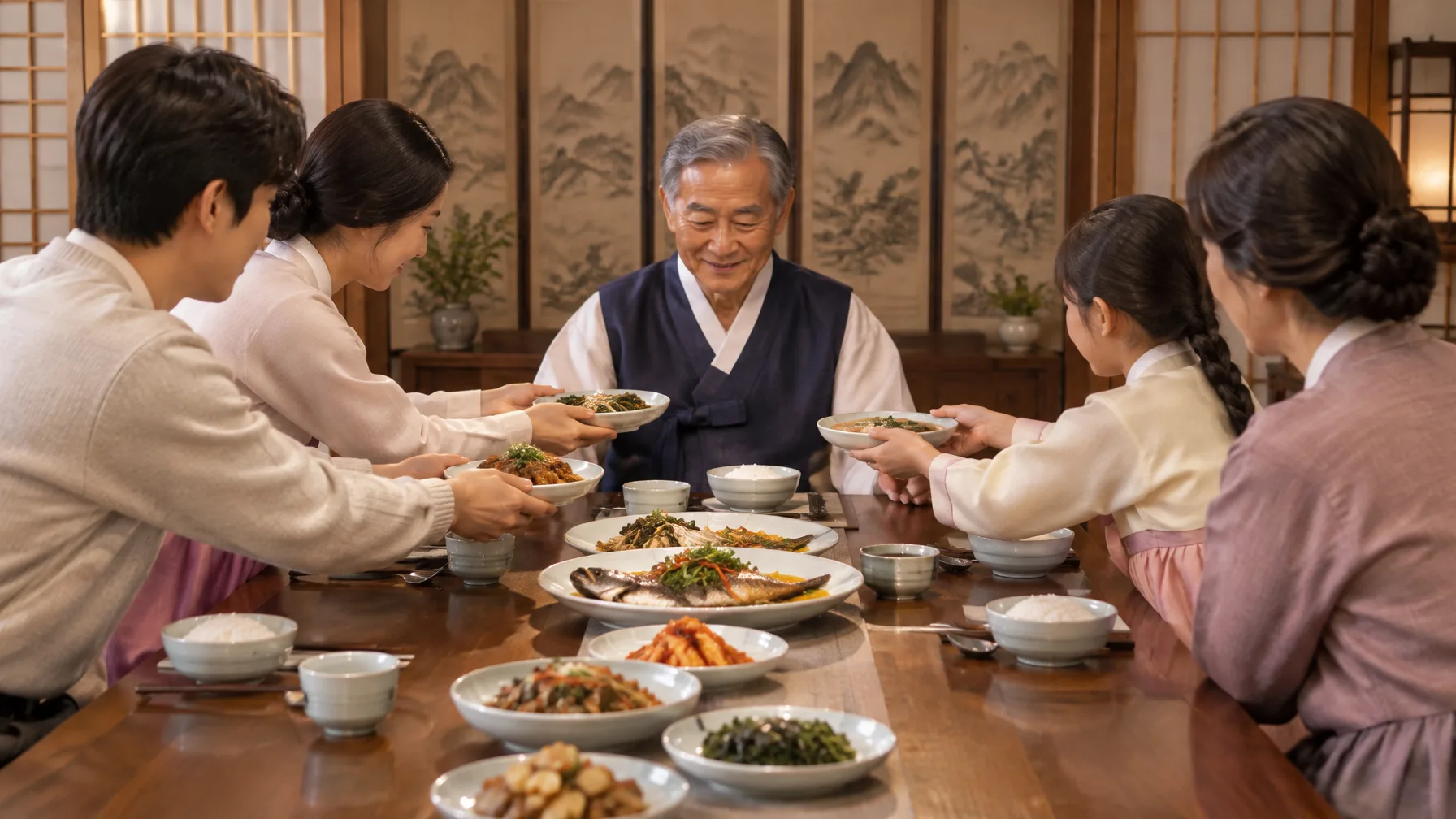
Koreans use honorifics because their culture rests on Confucian ideas that put weight on social status and age. That weight shows up in how you end your sentences, and honorifics usually run upward, from a lower position to a higher one, or from a younger person to an older one.
If you've seen Japanese politeness, Korean's system will feel familiar. Japanese honorifics split into three main categories: polite, respectful and humble. Polite Japanese is marked by desu at the end of a sentence and masu on verbs. That is the same job -imnida and -ieyo do in Korean. In Japanese, the longer a form is, the more polite it generally is.
Formality, politeness and honorificity are three separate dimensions
 AI-generated image
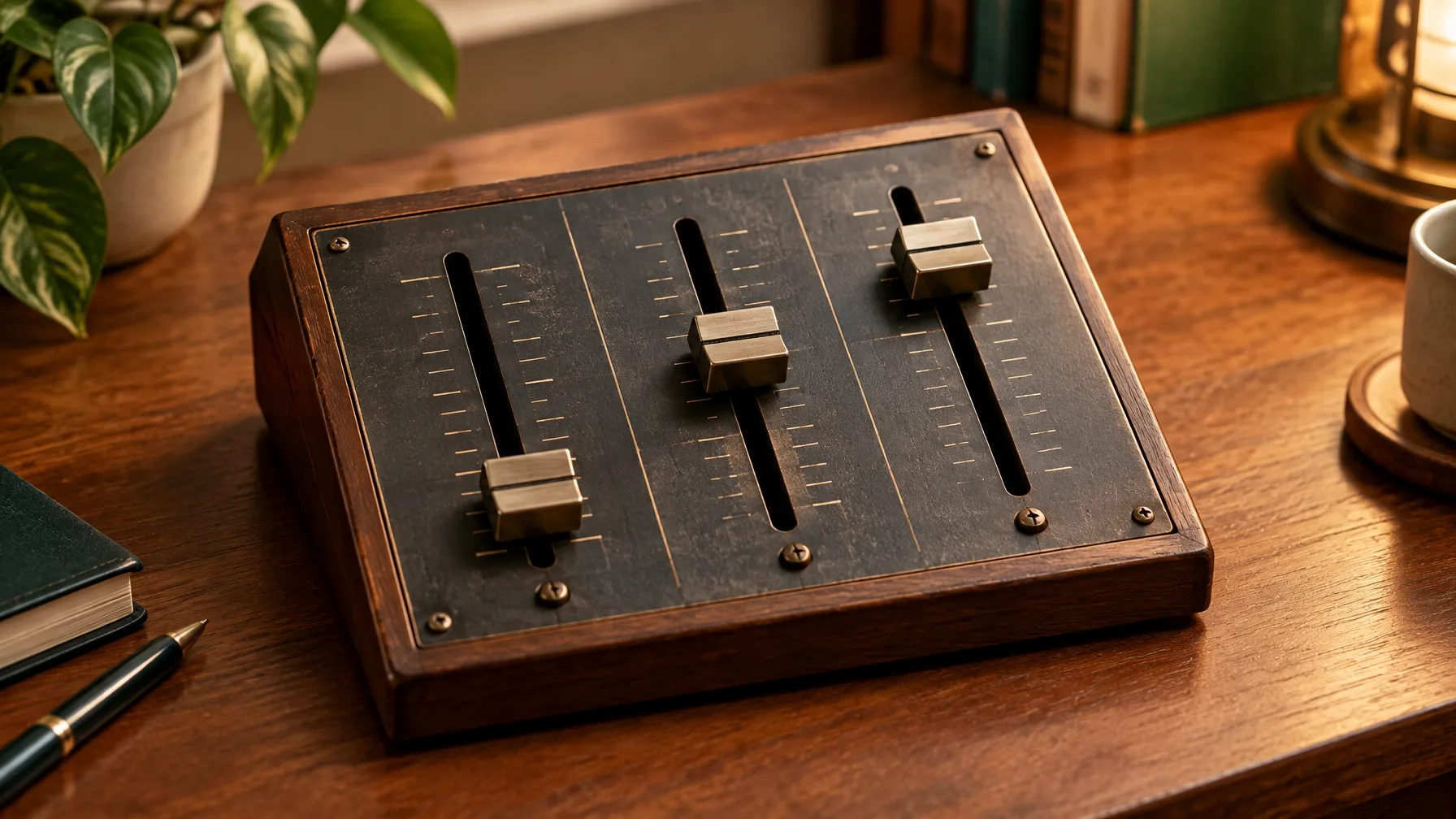
Korean honorifics have three basic dimensions: formality, politeness and honorificity. Because a speaker adjusts more than one of them at once, a single ending never tells the whole story. A sentence can be formal without being warm, or friendly without being casual.
Formality level matters a great deal in Korean, so knowing which style fits the situation is the real skill. Memorizing endings is only the starting point. The harder part is reading the room.
Even one year of age difference is a reason to use honorifics
Age counts for a lot. A gap of just one year is considered reason enough to use honorifics. If the person you're talking to is older, you're expected to speak more politely and formally. If you don't, you can come across as rude or oblivious.
| Who you're talking to | What to lean toward | Why |
|---|---|---|
| Someone older, even by one year | Honorifics, more polite and formal | Skipping them can read as rude or tone-deaf |
| Someone with higher status | Honorifics, used upward | Honorifics run from lower position to higher |
Banmal is for close, informal relationships only
Banmal is the casual style, and it belongs to close, informal relationships only. Used anywhere else, it crosses a line. The classic example is the greeting. With a friend or someone younger, Koreans say "annyeong" instead of the fuller "annyeonghaseyo."
The test is simple. If you aren't sure the person is a friend, or they're older than you, banmal isn't yours to use yet. Let them suggest it. For a side-by-side of formal and casual hello, thank you and sorry, see Basic Korean Words: Formal vs Informal Hello, Thank You and Sorry.
When you're unsure, start with the -yo style, and know where it falls short
The usual advice for beginners is to fall back on the -yo style (haeyo-che) when you aren't sure. It's a reasonable default. It isn't a universal one, though, because some situations call for full honorifics and -yo won't cover them.
- Not sure how to speak to someone? Start with the -yo style.
- Talking to someone older or higher in status? Move up to honorifics.
- Only drop to casual banmal once the relationship is close and informal.
Don't make -imnida your everyday default, even though it's the ending you hear most. It is very polite but not common in ordinary spoken conversation. Learners hear two stories about it: one says it's the style for elders and strangers, the other that it belongs to speeches, business and service work.
Accounts of the most common style pull in two directions too. One calls haera-che the most common, while another says the -yo style is the one you'll most likely use in daily chat.
Verdict: "imnida" is just "am/is," and your listener sets the level
"Imnida" is simply the Korean "am/is" in a formal form, and you hear it constantly because Korean verbs come last. Pick the level by who you're talking to: use honorifics upward toward older or higher-status people, and save casual banmal for close, informal relationships. Be kind to yourself while you learn, because Koreans tend to be delighted that you're trying at all.
Comments
No comments yet.