
Gyeongbokgung Palace Entrance Fee: Is It Free for You?
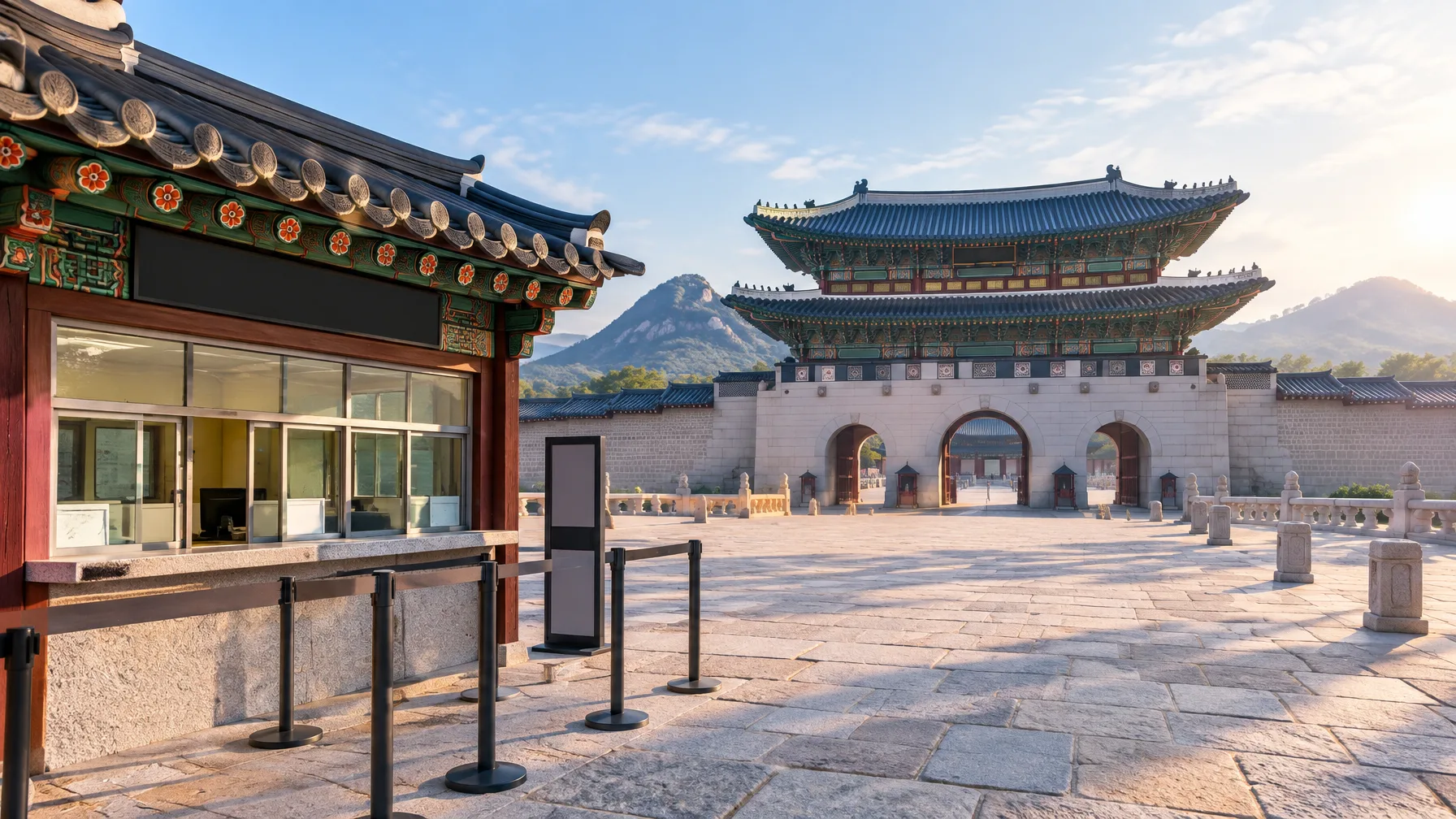 AI-generated image
Gyeongbokgung Palace is not free for everyone. Adults aged 19-64 pay 3,000 won and children aged 7-18 pay 1,500 won. Children under 7, adults over 64 and visitors wearing hanbok (traditional Korean clothing) get in free. For a first trip to Seoul, that small fee buys the biggest of the city's five royal palaces. It earns a morning of your time.
Adults 19-64 and kids 7-18 pay; under 7, over 64 and hanbok wearers walk in free
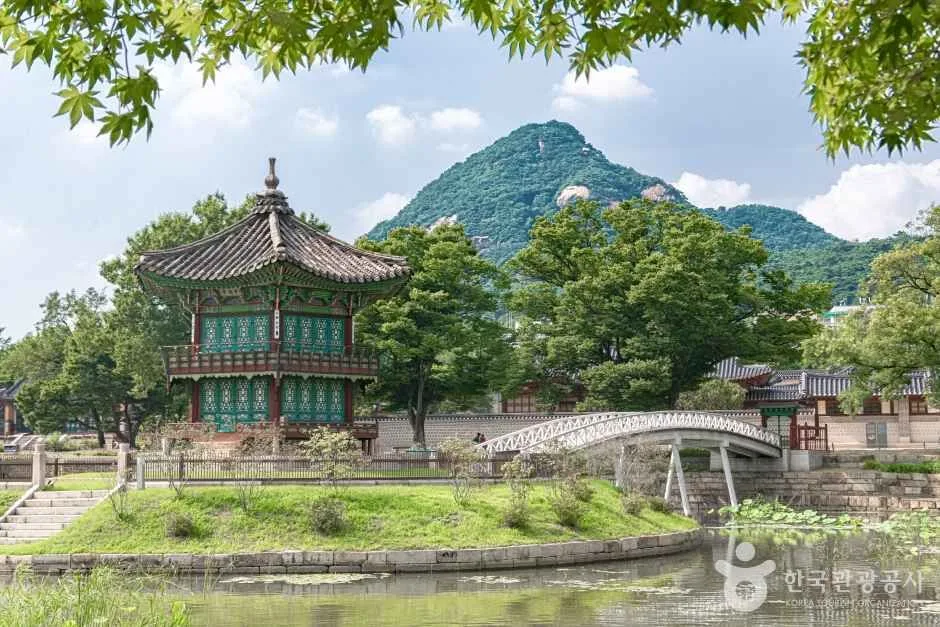 Photo: Korea Tourism Organization
The hanbok rule is the one that surprises people, and it fits the setting well. Wearing hanbok also puts you in step with the guard-changing ceremony, which the palace holds twice a day.
If you do pay, a card is accepted for visitors at the entrance, so you don't need to count out cash.
A 1395 royal palace that burned, rose again and is still being rebuilt
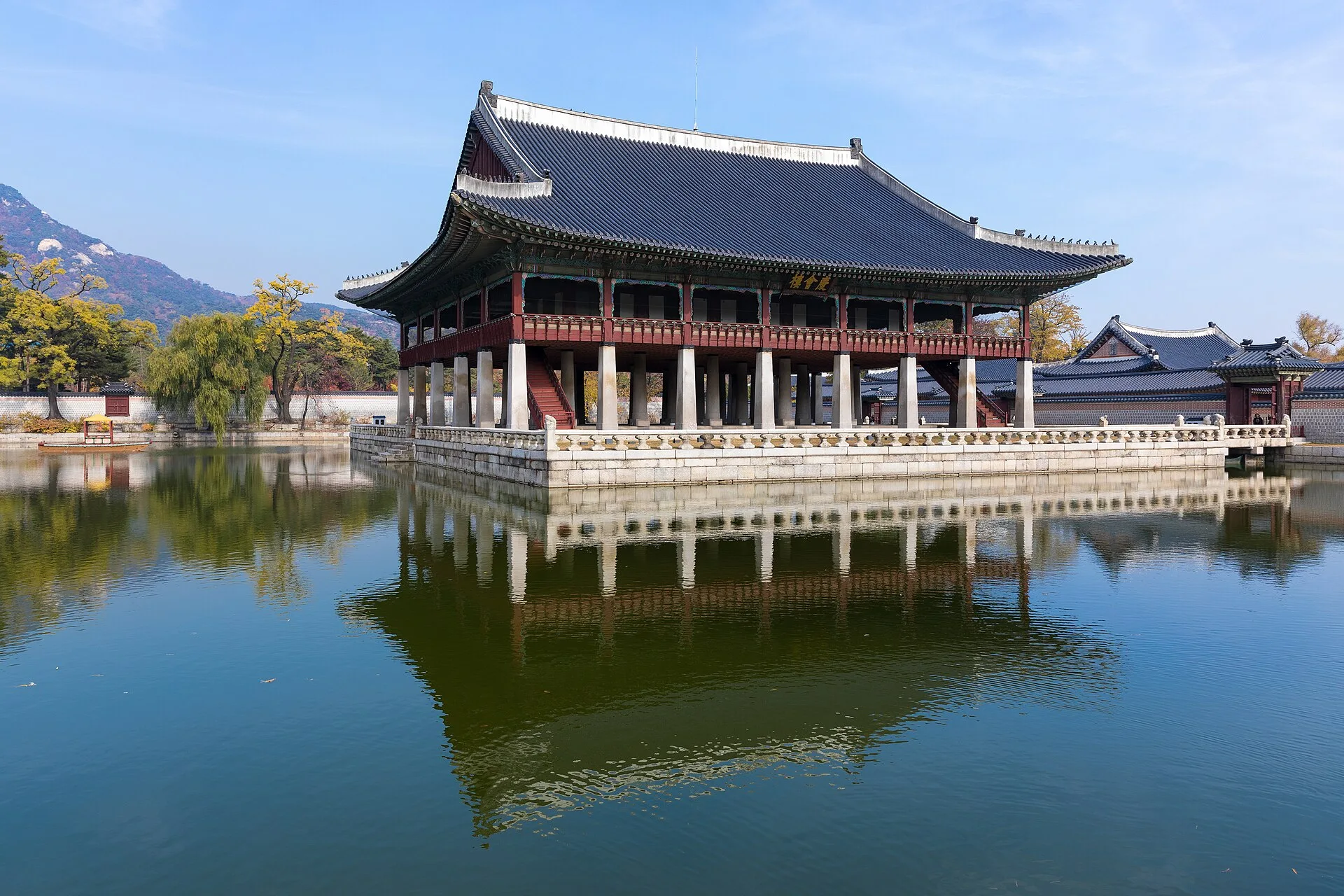 Photo: Frank Schulenburg / Wikimedia Commons (CC BY-SA 4.0)
Yi Seong-gye, the future King Taejo and founder of the Joseon dynasty, built the palace in 1395. It served as the dynasty's main royal palace. People call it the Northern Palace because it sits north of Changdeokgung in the east and Gyeonghuigung in the west. It is the largest of the five palaces and arguably the most beautiful, and many Joseon kings were crowned here.
Gyeongbokgung Palace has a turbulent history. Fire destroyed the grounds during the Imjin War (1592-1598). The buildings were rebuilt in 1867 under Heungseondaewongun, in the reign of King Gojong. After the killing of Queen Myeongseong, the palace lost its role as a royal residence. Under Japanese rule, a site of about 500 buildings was cut down to about 40.
Restoration is still going. Nearly 90 buildings are back, and the work needs about 20 more years.
Ticket prices by group, and a combined pass for the other palaces
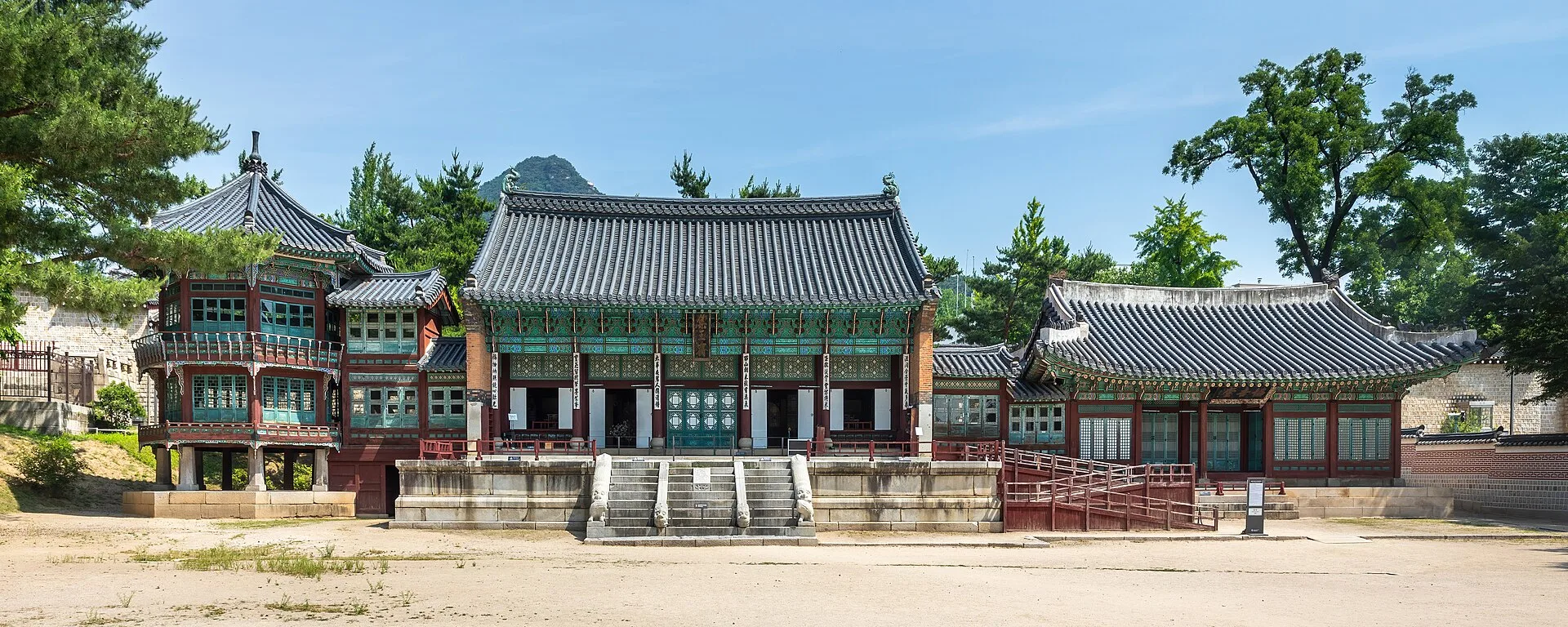 Photo: Basile Morin / Wikimedia Commons (CC BY-SA 4.0)
The table sorts out who pays what. For visitors planning to see more than one palace, the combined ticket covers four palaces plus Jongmyo. Those four are Changdeokgung including its rear garden, Changgyeonggung, Deoksugung and Gyeongbokgung. It stays valid for three months, so the visits can be spread over several days.
| Who | Gyeongbokgung Palace entrance fee |
|---|---|
| Adults (19-64) | 3,000 won |
| Children (7-18) | 1,500 won |
| Children under 7 | Free |
| Adults over 64 | Free |
| Visitors wearing hanbok | Free |
| Combined palace ticket, adult | 10,000 won |
| Combined palace ticket, child | 5,000 won |
The adult fee gives access to a large site.
Worth a morning, though a quieter palace suits some people better
For a traveler short on time, this is the palace most guides recommend. From its center you can look back toward Gwanghwamun over an open front view. The mountains around the palace rise behind. A ridge toward the old presidential residence is one that some compare to a tiger's back.
Deeper in, Gyeonghoeru stands over its pond. Gangnyeongjeon, the king's sleeping quarters, is very large but bare inside. Geoncheonggung is reportedly where electricity first lit up in Korea. Hyangwonjeong is smaller than Gyeonghoeru and closed off to walk-ins. This area is quieter than anywhere near the entrance.
The downside is the crowds. In summer, tour groups fill the grounds. Geunjeongjeon can get so packed that you may have to take photos from the left side instead of the center. At the entrance, foreign tourists can make up more than half of the people taking photos. Entering just before the ticket office closes helps you avoid the busiest hours. Sajeongjeon and Gangnyeongjeon see fewer tourists and suit a quiet walk better.
If crowds bother you, consider Changdeokgung. Its garden is lovely, and people call it second only to Gyeongbokgung in grandeur. Some travelers who toured quieter palaces and heritage sites enjoyed those more. Visitors say the National Folk Museum's outdoor exhibits explain daily life beyond the palace walls. They say it does this better than the palace museum does.
Opening hours shift with the season, and Tuesday is the closing day
Gyeongbokgung Palace opening hours change in three blocks across the year. The last entry is always an hour before closing. Check the season of travel, then plan to be through the gate before that last-admission time.
| Season | Open | Last admission |
|---|---|---|
| November-February | 09:00-17:00 | 16:00 |
| March-May and September-October | 09:00-18:00 | 17:00 |
| June-August | 09:00-18:30 | 17:30 |
The palace is closed on Tuesdays. If a Tuesday falls on a public holiday or substitute holiday, the palace opens that day. It closes on the next business day instead. That rule can catch you out around national holidays, so look at the calendar before you lock in a day.
From the subway: a three-minute walk from Gyeongbokgung Station
- Take Line 3 to Gyeongbokgung Station and leave by Exit 5. The gate is about a 3-minute walk.
- Or take Line 5 to Gwanghwamun Station and use Exit 2, which is about a 7-minute walk.
- Pin 161 Sajik-ro, Jongno-gu on your map app and walk to the entrance.
- If you drive, parking is available. For questions, the information line is +82-2-3700-3900.
Once inside, restrooms are signposted. Right outside the walls, high-rises and traffic surround the palace. The grounds never fully separate from the city's noise.
Mistakes that spoil a first visit to the palace
The biggest mistake is expecting an untouched original. Only about 36 buildings are original, and the rest are restorations, so you may see scaffolding in places. Some visitors felt the palace was overrated. They said it was commercialized, with photos taking priority over quiet history.
The second mistake is stacking too much into day one. Visiting every palace on the first day in Seoul can lead to palace fatigue. Pick one or two, and use the combined pass over several days instead.
Official pages and a budget guide for planning your Seoul days
Are you budgeting a whole trip? South Korea Travel Costs Explained shows where a palace ticket fits.
Verdict: pay at the gate unless you fit one of three groups
No, it isn't free for everyone: only children under 7, adults over 64 and visitors in hanbok walk in free. Skip Tuesdays, when the palace is closed, and check the season's last-admission time before you go.
Comments
No comments yet.