
How Many Cities in South Korea? It Starts With 17 Units
 AI-generated image
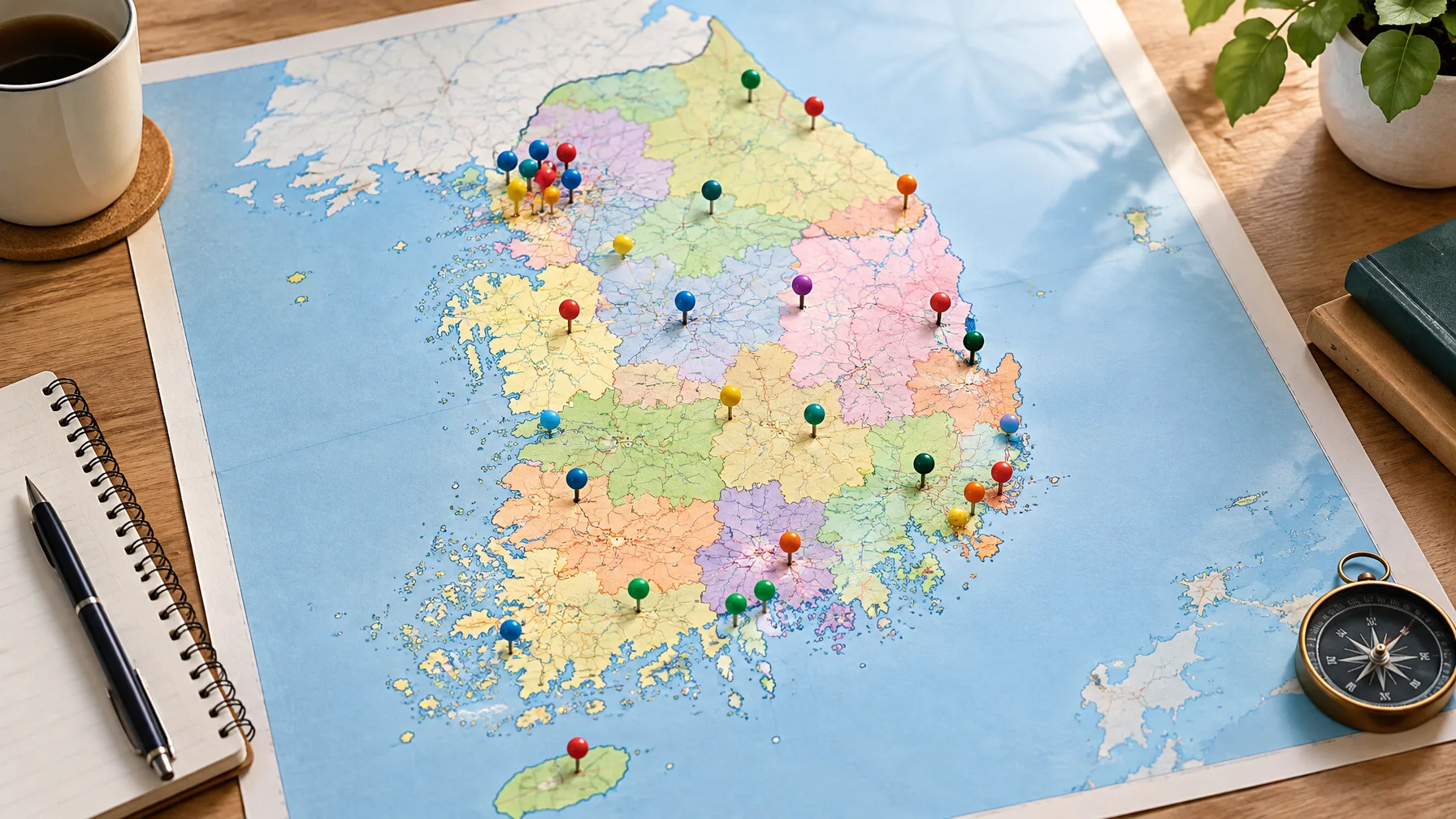
South Korea has 17 top-level local governments. Below them, addresses and maps use si (city), gun (county), gu (district) and dong (neighborhood) levels. So the answer to how many cities in South Korea depends on which level you count. Think of it like asking how many cities are in the US: it changes if you mean incorporated cities, metro areas or neighborhoods. This guide gives you the order to count in, so you can pick the right level before you quote a number.
Seventeen top-level units come first, then four address levels
 AI-generated image
Treat the 17 as your fixed starting point. It's the top tier of local government, and it's not a count of cities in the everyday sense. Provinces and metropolitan cities both sit in it.
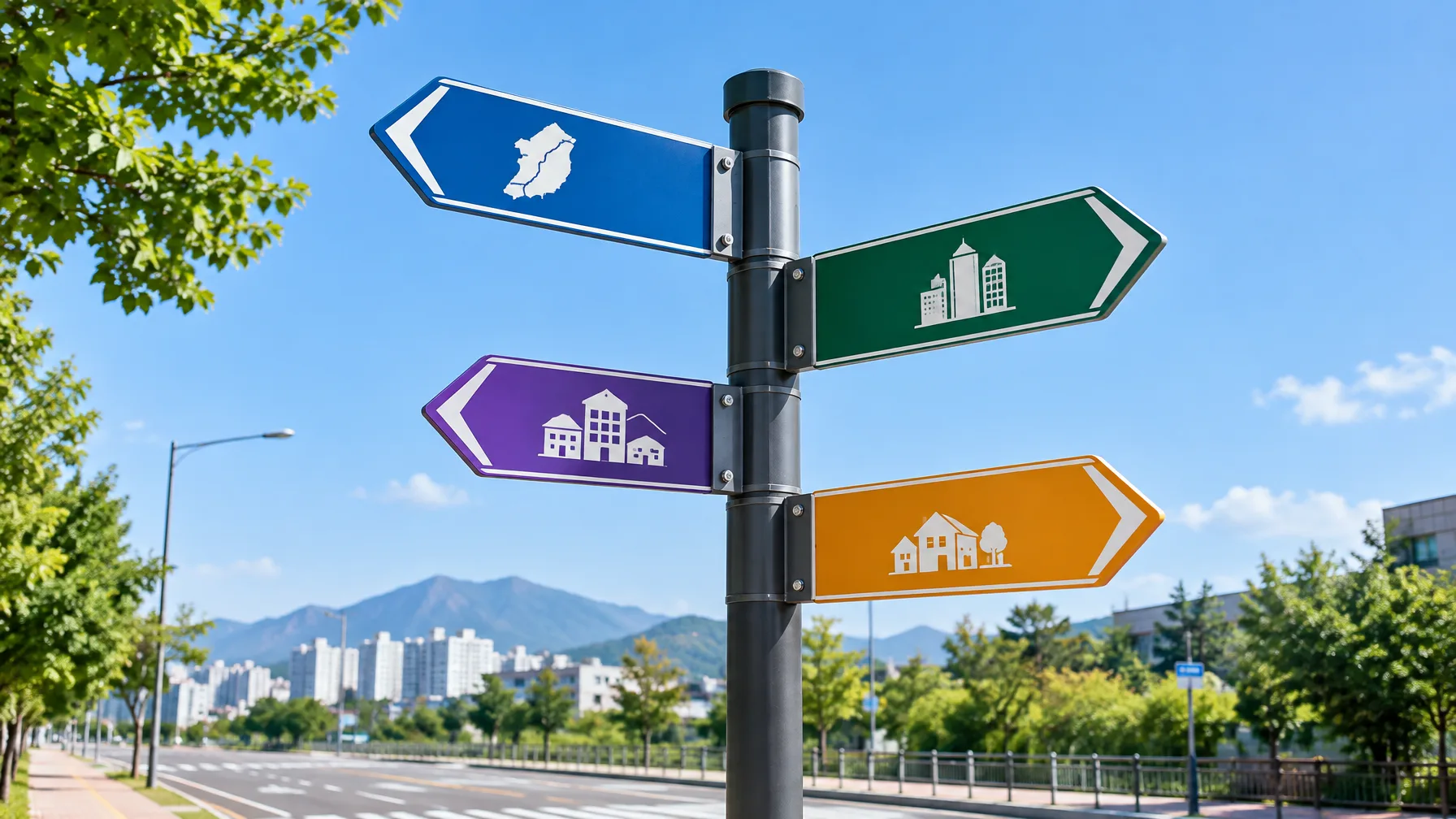
Under that top tier, the words you see on addresses and maps are si, gun, gu and dong. Each one answers a different question about where a place sits. Here is the order that makes the question workable:
- Start with the top tier of 17 and decide whether you want provinces, metropolitan cities or both.
- Pick the lower level you actually mean: si, gun, gu or dong.
- Count only at that one level, and do not add levels together.
- If you need numbers for people, match the census year before you compare anything.
Provinces and metropolitan cities share the top tier
 AI-generated image
The top tier answers the question of Korea's regions: provinces and metropolitan cities. Reference tables list both together with population for each census year.
English-name lists for Korean cities show the same split. Seoul, Busan, Daegu, Incheon, Ulsan and Gwangju each get their own category. The other names are grouped under their provinces.
Your real question may be how many provinces in South Korea. In that case, look only at the province rows of the top tier. The metropolitan cities sit beside the provinces, not inside them.
Si, gun, gu and dong: reading a Korean address or map
 AI-generated image
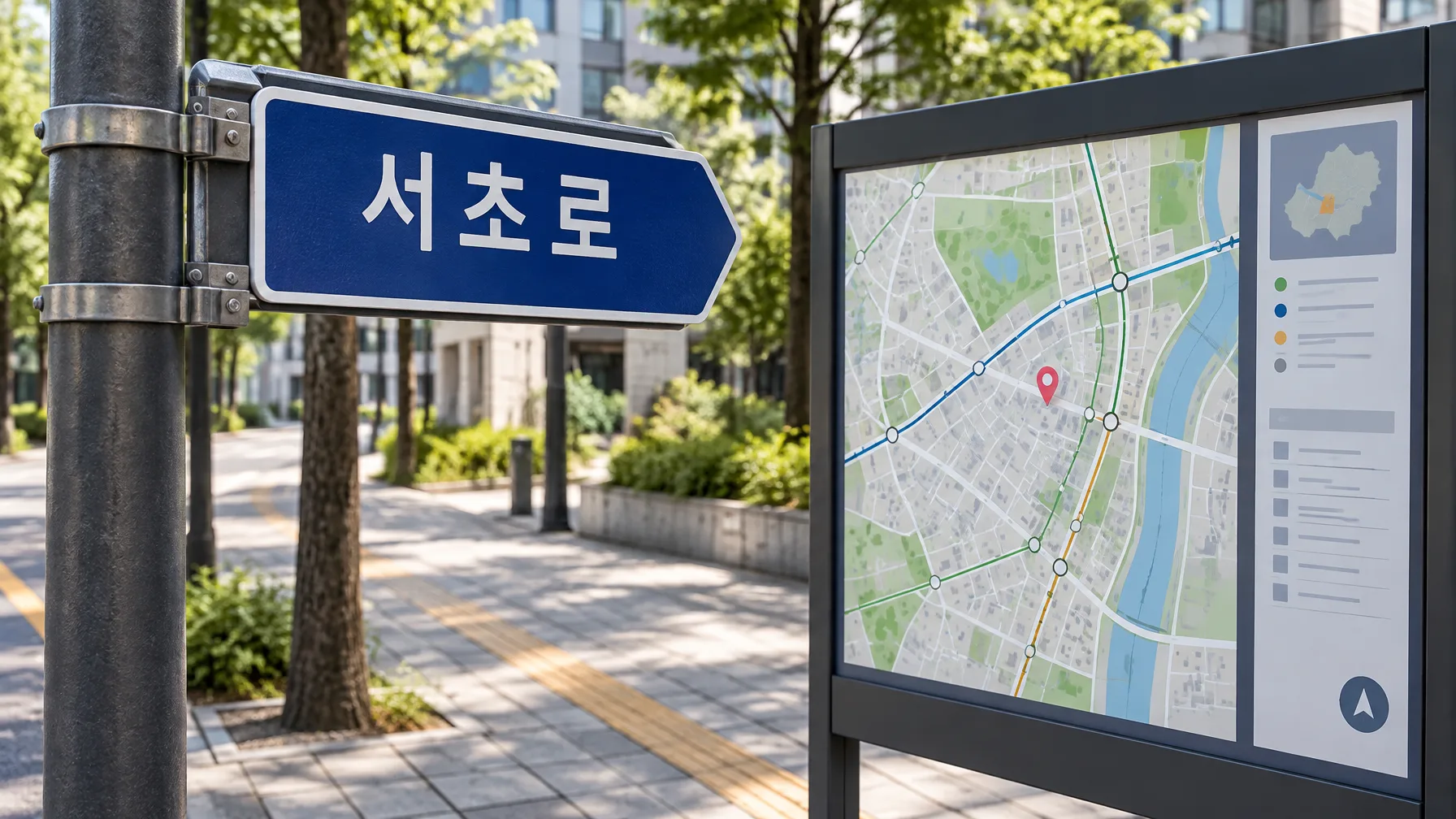
Once you move below the top tier, South Korea cities and towns show up as short suffixes tacked onto place names. You will see them on envelopes, map apps and street signs. Here is a cheat sheet.
| Level | Meaning | Where you meet it |
|---|---|---|
| si | city | Addresses and maps |
| gun | county | Addresses and maps |
| gu | district | Addresses and maps |
| dong | neighborhood | Addresses and maps |
The practical lesson is simple. When someone calls a place a city, ask which of these levels they mean. A dong is a neighborhood-sized unit, so counting dongs would give you a far bigger number than counting si.
Want a worked example of reading a famous Seoul area on a map? See Myeongdong Korea Map: Find the district in central Seoul.
One city name can mean three different boundaries
Counts differ from list to list because lists draw the boundary in different places. The United Nations uses three definitions of a city. They are the city proper (the administrative area), the metropolitan area and the urban area. Pick a different one and the same place gets a different size.
The US has the same problem: Nashville and Las Vegas are reported by agencies that cover more than one municipality, so crime rates can swing a lot depending on whether you measure the city or the metro area. Chongqing in China is the largest city proper by population, and its administrative area of 82,403 km² is about the size of Austria.
Cutoffs matter too. Some city lists include only places with at least 100,000 residents. Others compare metro areas by population or cover cities surrounded by other cities. Each one gives a different total from the same country.
Sejong sits in the gray zone of the metropolitan city count
Sejong is the odd one. A commonly given tally is six metropolitan cities, yet reference material itself calls Sejong hard to treat as one. Counting it gives seven; leaving it out gives six.
The easy fix is to say which way you counted, and whether you included Sejong. Then nobody can argue with you.
Name lists and city-guide pages are not an official tally
The most common slip is reading a page count as a city count. One English-name list of Korean cities has 42 pages and 14 subcategories, and its Gyeonggi-do list has 15 entries, but it only collects English names and is not an official count of Korean cities.
A second slip is trusting any one city-guide page too much. Some are run by businesses that sell other services, such as job placement for English teachers. They can be fine for orientation, but they are not a final count.
The third slip is stacking levels. A gu is a district and a dong is a neighborhood, so adding them to the si total counts the same ground twice.
Census-year tables for provinces and cities
For a list of cities in South Korea by population, look for two tables. One covers provinces and metropolitan cities, the other covers cities (si), and both give population for each census year.
Keep the two tables apart and compare numbers only within the same census year. Want a ranked view of the biggest places? Read Biggest Cities in Korea by Population: Seoul and Busan.
The verdict: choose a level, then count
There is no single official tally of Korean cities to quote here. South Korea has 17 top-level local governments, and whether something is a city depends on whether you count at the si, gu, gun or dong level. Say which level you used, and your number will hold up.
Comments
No comments yet.