
Biggest Cities in Korea by Population: Seoul and Busan
 AI-generated image
Seoul leads, with Busan, Incheon and Daegu behind it
 AI-generated image
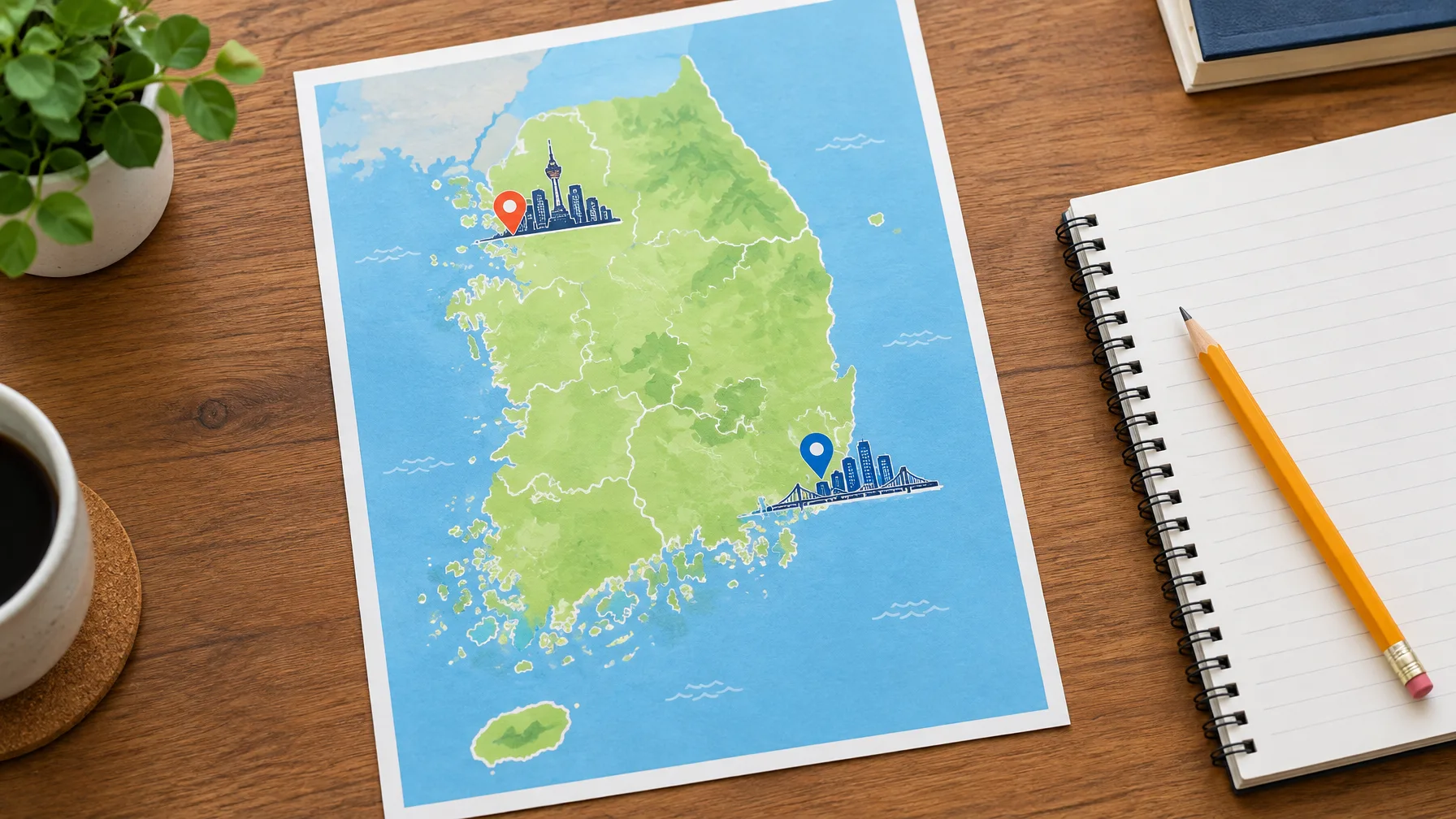
Seoul is South Korea's biggest city. Busan is second, followed by Incheon in third and Daegu in fourth. That is the top of any top 10 biggest cities in Korea list, and the order holds in both population lists compared here. The exact counts move from list to list, and the sections below explain why.
Here is how the two lists line up. The first is the GeoNames list, which runs down to tenth place.
| City | GeoNames rank | GeoNames population | Other list |
|---|---|---|---|
| Seoul | 1 | 10,349,312 | 9,217,913 |
| Busan | 2 | 3,285,147 | 3,233,150 |
Seoul has no real rival on size
 AI-generated image
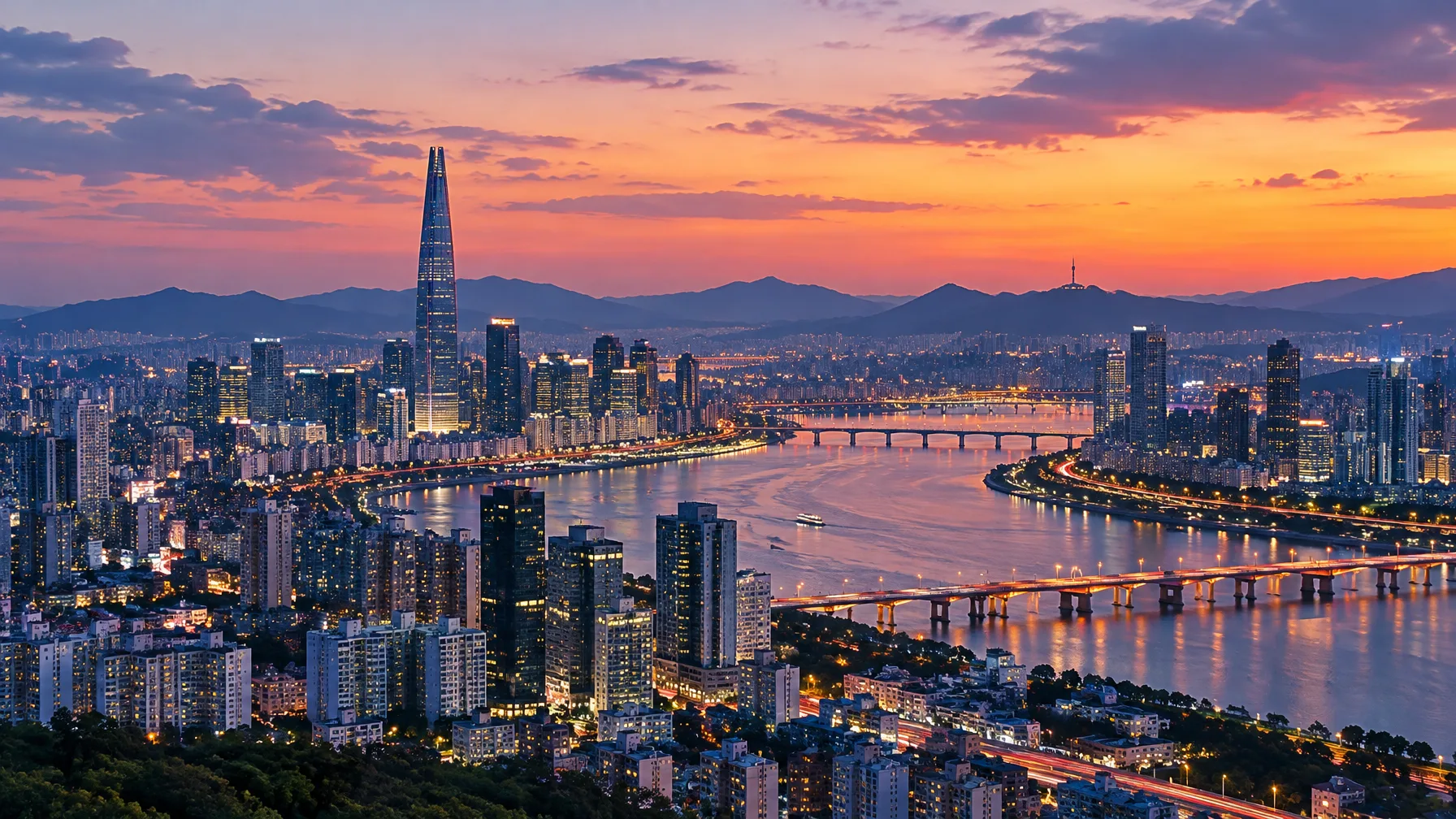
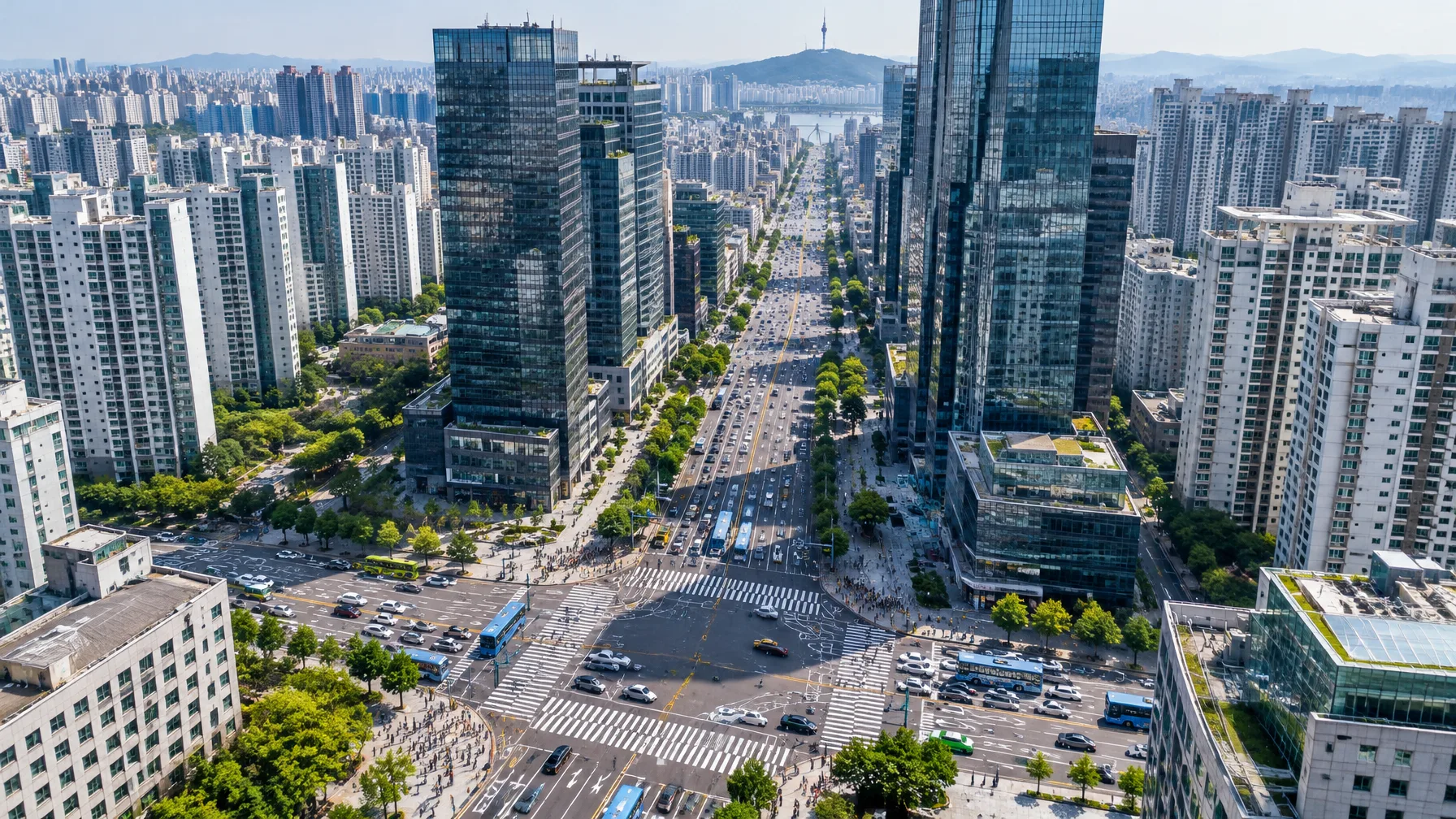
GeoNames gives Seoul 10,349,312 people and labels it Seoul Special City. The other list puts it at 9,217,913, still several times the size of Busan, the next city down.
Part of the reason is where people live. Population gathers in the capital region, so both Seoul and Incheon count as relatively populous. After Seoul come five major metropolitan cities. Looking at central Seoul? See the Myeongdong map guide.
Busan, Incheon and Daegu step down in clear stages
 AI-generated image
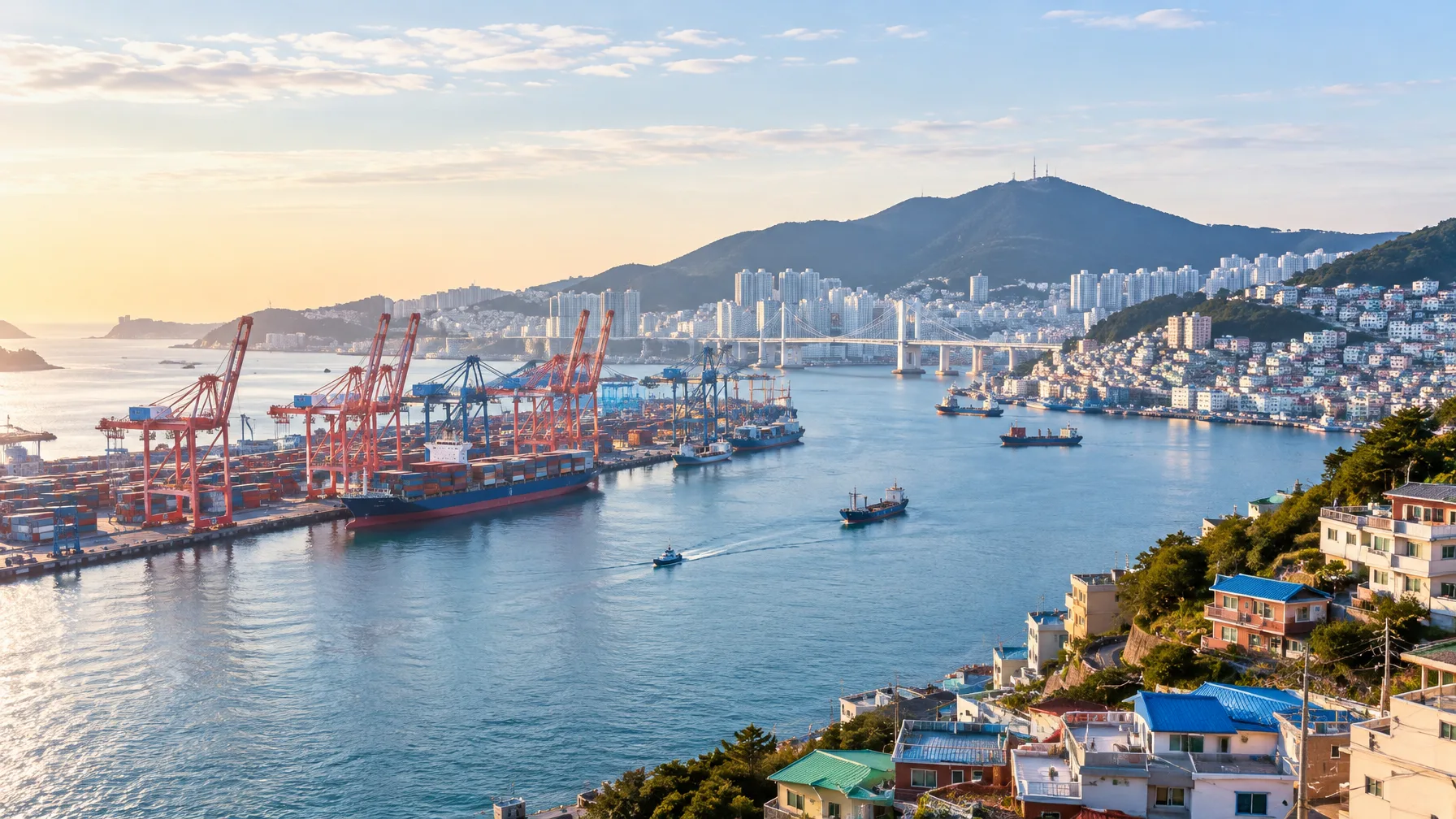
Busan ranks 2nd on both lists. GeoNames gives it 3,285,147 as Busan Metropolitan City, and the other list gives 3,233,150. Those two figures are only 51,997 apart, a much tighter match than Seoul's.
Incheon comes next at 3,015,482, which is 269,665 behind Busan. Daegu rounds out the big four at 2,365,523. That is 649,959 fewer than Incheon, a bigger drop than the one between Busan and Incheon.
Seoul's figure shifts because lists count different areas
On the Seoul line, the two lists sit apart. One reason is that some lists count the metro area instead of the city alone. A metro-based figure adds in the areas around Seoul, so a plain city-to-city comparison gets shaky.
Estimation methods matter too. Even in the US, the Census Bureau and California's finance department estimate populations differently. Their state figures do not match as a result. The same kind of gap can show up between any two city lists.
A city can mean city proper, metro area or urban area
A ranking can define a city in three ways. City proper is the area inside the official city boundary. Metro area is the wider region around it. The third way is urban area. The minimum population to qualify is usually about 2,000 people, though countries use anything from 200 to 50,000.
One North American list uses the city-limits style. The list covers cities with more than 500,000 residents inside their boundaries. It shows New York City at 8,584,629 and Los Angeles at 3,869,089, both for 2025, with no metro counts added. Chongqing in China is the world's largest city proper by population.
Changwon closes the GeoNames list just over one million
The GeoNames list ends with Changwon in tenth place at 1,025,702. It appears under its province, Gyeongsangnam-do, rather than as a Special or Metropolitan City. Scanning the top 10 cities in Korea shows that a city can pass a million people without a metropolitan-city label.
Four easy ways to misread a Korean city ranking
- Treating the metropolitan-city label as a size rank. No legal standard decides which cities get promoted, so the label is not a consistent yardstick.
- Expecting a district-level ranking to match. The population tables leave out counties and districts, so a count by district can reorder the list.
- Setting Seoul's metro-style figure against a bare city-limits figure from another country.
- Quoting one number as exact. A different list, year or definition will give a different count.
The order of the big four holds up well across lists. The digits are the soft part, so quote them as rough scale.
Where to read the full population table
Before comparing the biggest cities, check three things. Does the list count city limits, a metro area or an urban area? Are counties and districts in or out? Which year do the figures come from?
Use the order as a guide to scale
Treat the ranking as a guide to scale rather than an exact figure. Counts depend on both the source and how each list defines a city.
Comments
No comments yet.