
Wealthiest Part of Seoul: Gangnam, Seocho or Hannam-dong?
 AI-generated image
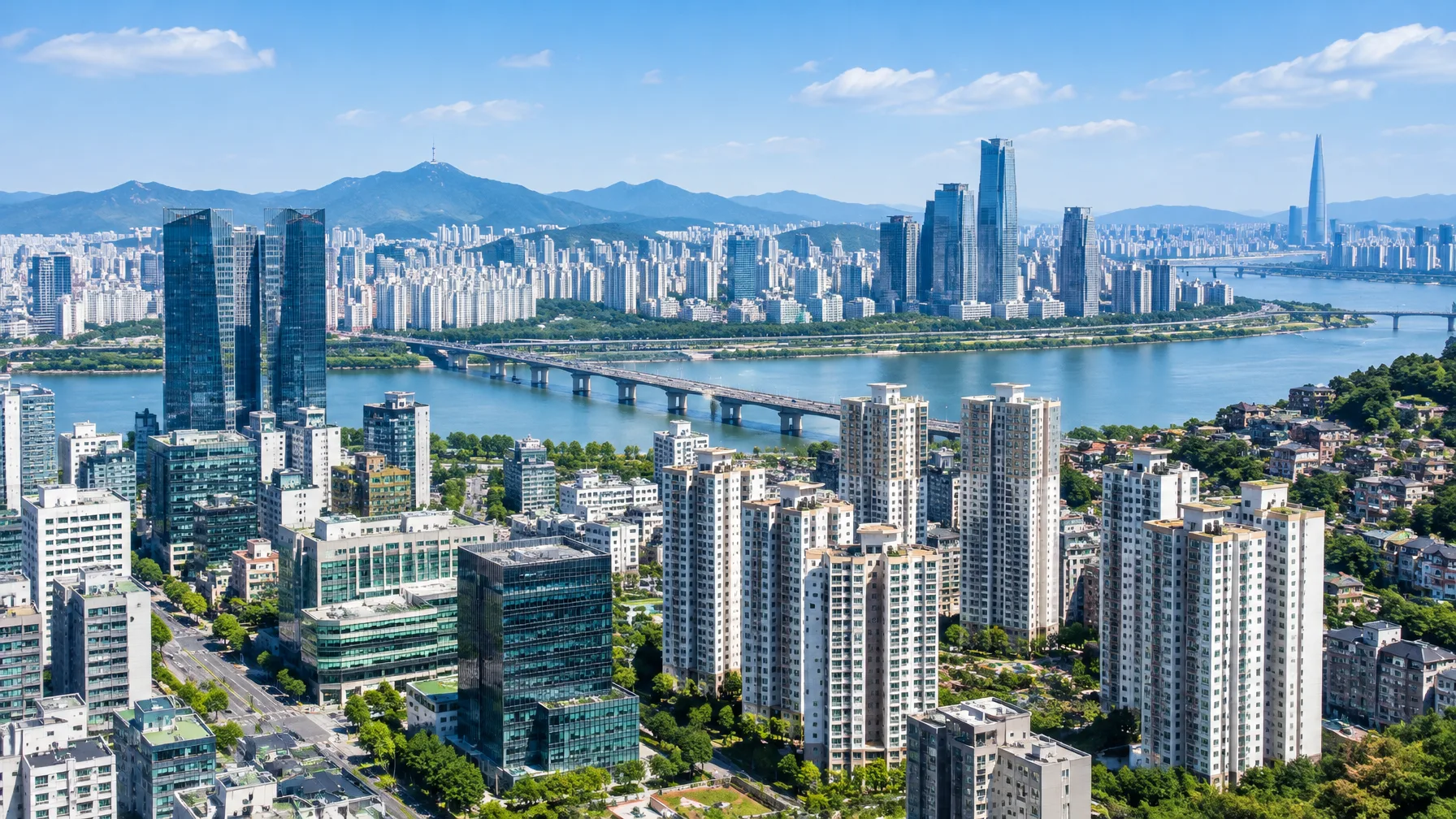
In 2021, residents of Seocho-gu earned an average of 3,770,000 won a month. That's above Seoul's average of 2,980,000 won and second only to Gangnam-gu among Seoul's districts. If you're sizing up the wealthiest districts in Seoul, start with those two neighbors. The question is how Gangnam, Seocho, and Songpa compare on housing prices, income, and lifestyle. Hannam-dong in Yongsan is the other name worth knowing, and Songpa is the family pick.
Seocho-gu out-earns the Seoul average and trails only Gangnam-gu
 AI-generated image
That figure is what residents earn, not what their homes cost. It's a clean way to compare districts because it uses one yardstick for all of them. Seocho-gu sits near the top among Seoul's districts, called gu.
Seocho is known as one of the wealthiest neighborhoods in Seoul, and that wording is the fair one. Many professionals live there. Say "one of the richest," not "the single richest."
Wealthy residents cluster in two districts, Gangnam-gu and Seocho-gu
 AI-generated image
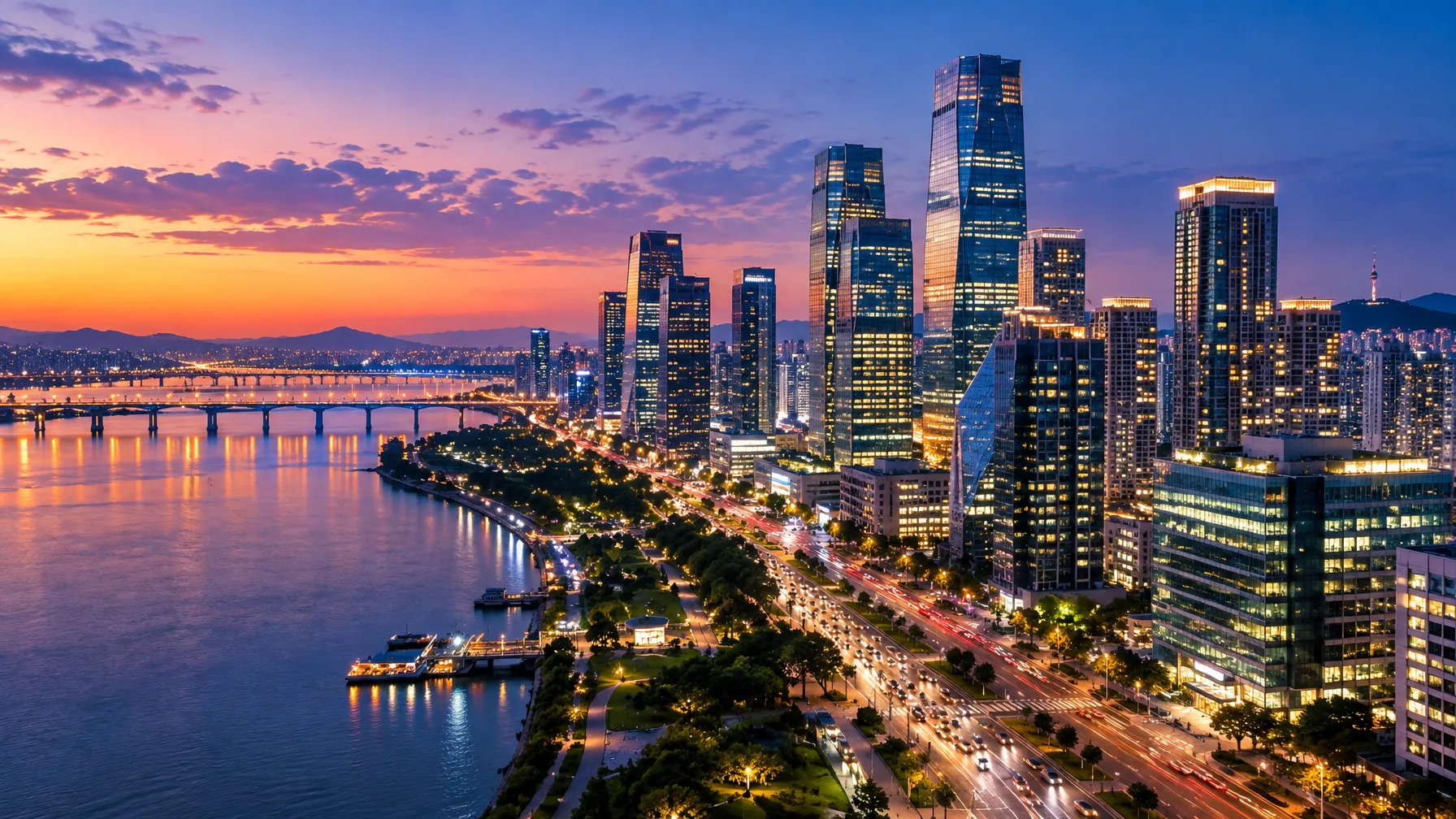
Ask where wealthy Koreans live in Seoul, and the usual answer is Gangnam and Seocho. Gangnam-gu is the major business and commercial district south of the Han River. Demand is high and the location is convenient, so it's among the pricier parts of the city.
What you get there is luxury apartments, top hospitals, and excellent subway access. What you pay is a premium. Seocho-gu lies just west of Gangnam and feels quieter and greener. It suits families who want Gangnam-level convenience with a more relaxed setting.
Gangnam and Seocho share a name, so their wealth blurs together
 AI-generated image
The two districts are tangled together in administration, geography, and economy. People use the name Gangnam for both, and the busy commercial core around Gangnam Station is not physically separate from Gangnam-gu, yet Seocho-gu manages it.
Seocho-gu, Gangnam-gu, and Songpa-gu together make up the wider Gangnam area. Schools add to the pull: in 2022, 10 percent of incoming freshmen came from schools in Gangnam's 8th school district. Any ranking of the two has soft edges.
Seocho-gu spans 46.92 square kilometers and counted 409,387 residents in 2025.
That makes it a real district, not a single smart street. An average across that many people covers a lot of different households. Keep that in mind when you read any single number about it.
Hannam-dong is a different kind of wealthy address
Hannam-dong sits in Yongsan-gu. It is a dong, a neighborhood inside a district, while Gangnam and Seocho are whole districts. It is a wealthy pocket, often named as Seoul's most prestigious address.
Korean films, TV series, and pop songs keep portraying it as an oasis of wealth and luxury. Many celebrities and company executives live in its three residential areas: UN Village, The Hill, and Nine One Hannam, which was introduced with a higher sale price than Hannam The Hill. The area also draws many foreign residents, mostly executives and diplomats.
Songpa and Jamsil suit families who want space and newer buildings
Families are drawn to Songpa-gu for its newer high-rise apartments, green space, and family-friendly amenities. Around Songpa and Jamsil you'll find parks, kid-friendly facilities, shops, and fairly recent apartment blocks. It suits people who want more room.
Songpa belongs to the Gangnam area, but wealthy residents are said to concentrate in Gangnam-gu and Seocho-gu. Read Songpa as the lifestyle choice among the three.
Mapo and the northern edges give you more for less
Mapo and Seoul's northern and outer areas are generally better value than Gangnam, Seocho, or Yongsan. For tighter budgets, they're the smarter place to look. A wealthy district isn't the right choice for everyone.
Rent tables are a rough guide. Their monthly figures assume a deposit of about 10 to 20 times the monthly rent, and a bigger deposit lowers the rent. The same jeonse deposit, a lump-sum lease, can also get you a decent apartment elsewhere in Seoul.
Five areas at a glance
| Area | Type | Known for |
|---|---|---|
| Gangnam-gu | District | Business hub, luxury apartments, top hospitals, subway access, premium prices |
| Seocho-gu | District | Quieter and greener, just west of Gangnam, many professionals |
| Songpa-gu (Jamsil) | District | Newer high-rise complexes, parks, family amenities, shopping |
| Hannam-dong | Neighborhood in Yongsan-gu | Celebrities, executives, diplomats, UN Village, The Hill, Nine One Hannam |
A rich address isn't always a new, cheap, or easy one
Prestige and condition don't always match. Some wealthy Gangnam-area enclaves are apartment complexes nearly 50 years old. Rebuilding them often sparks heavy conflict among residents, local governments, and builders. Eunma Apartments has been delayed for decades. Prices that lean on rebuilding hopes carry real uncertainty.
- Don't call Seocho "the richest." The fair phrase is one of the wealthiest, and its wealth is tied to Gangnam's.
- Don't assume a rich district means a lavish budget. Monthly spending depends more on personal habits than on the neighborhood.
- Don't pick by prestige alone. Schools and commute are better places to start.
- Don't count on English everywhere. It works fairly well in Gangnam. Utility companies, management offices, and most clinics outside international wards run in Korean.
- Don't skip the paperwork prep. Many landlords prefer tenants with a Korean guarantor or proof of employment.
Gangnam and Seocho lead on income, Hannam-dong and Songpa win on other terms
Gangnam and Seocho are where Seoul's wealthy residents cluster. Seocho-gu's 2021 average monthly income beat Seoul's average and ranked second only to Gangnam-gu. Hannam-dong in Yongsan is the separate name to know for a different kind of wealthy address. For newer apartments, parks, and family amenities, Songpa is the pick.
Comments
No comments yet.