
How to Say Happy Seollal in Korean and When to Bow
 AI-generated image
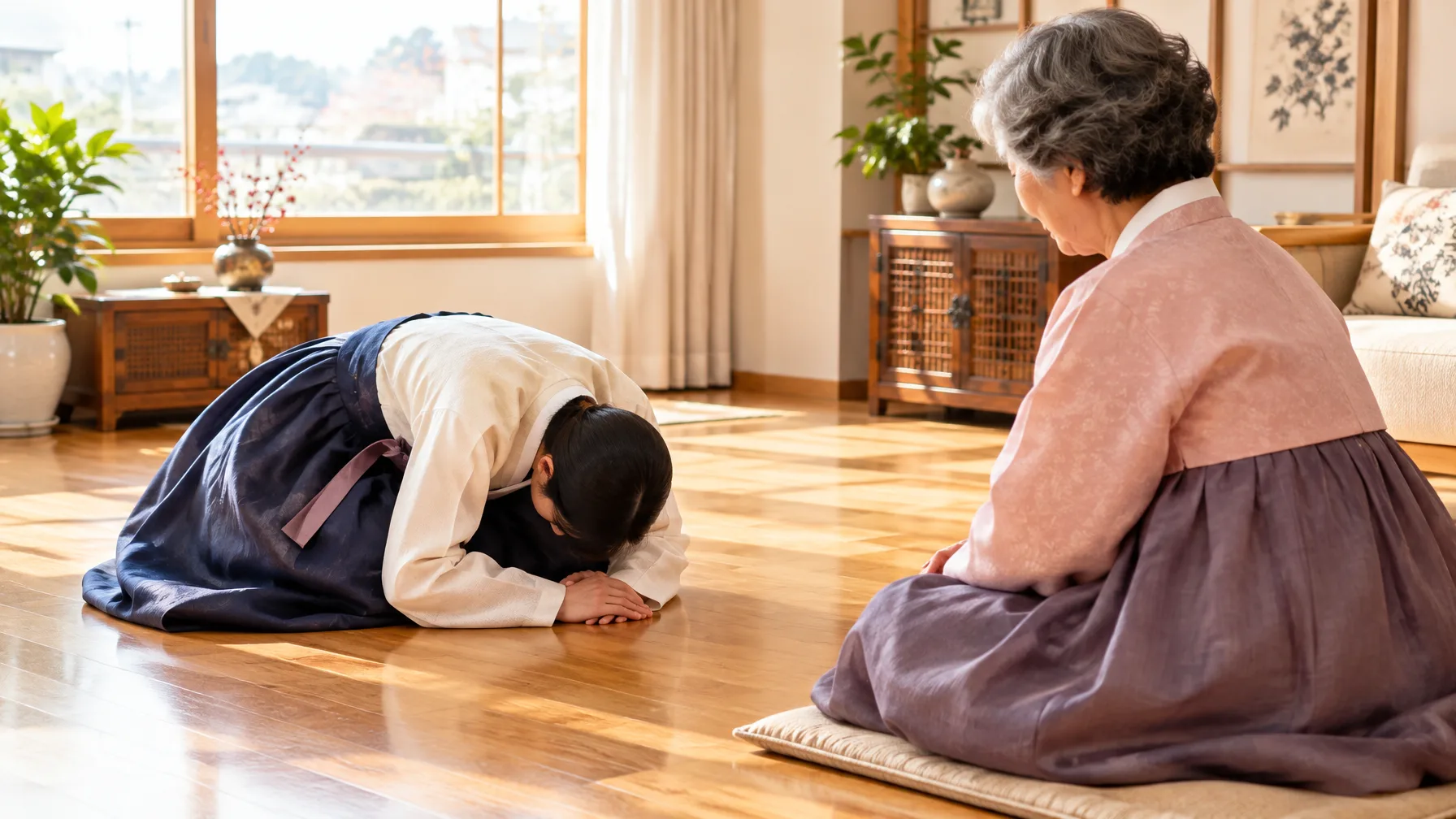
For Happy Seollal in Korean, say “Saehae bok mani badeuseyo.” Koreans say it on Seollal, the lunar New Year, and the young say it to elders while performing sebae, a deep bow. Below you'll find what Seollal is and how the words and the bow fit together. You'll also see how the morning unfolds and what closes down.
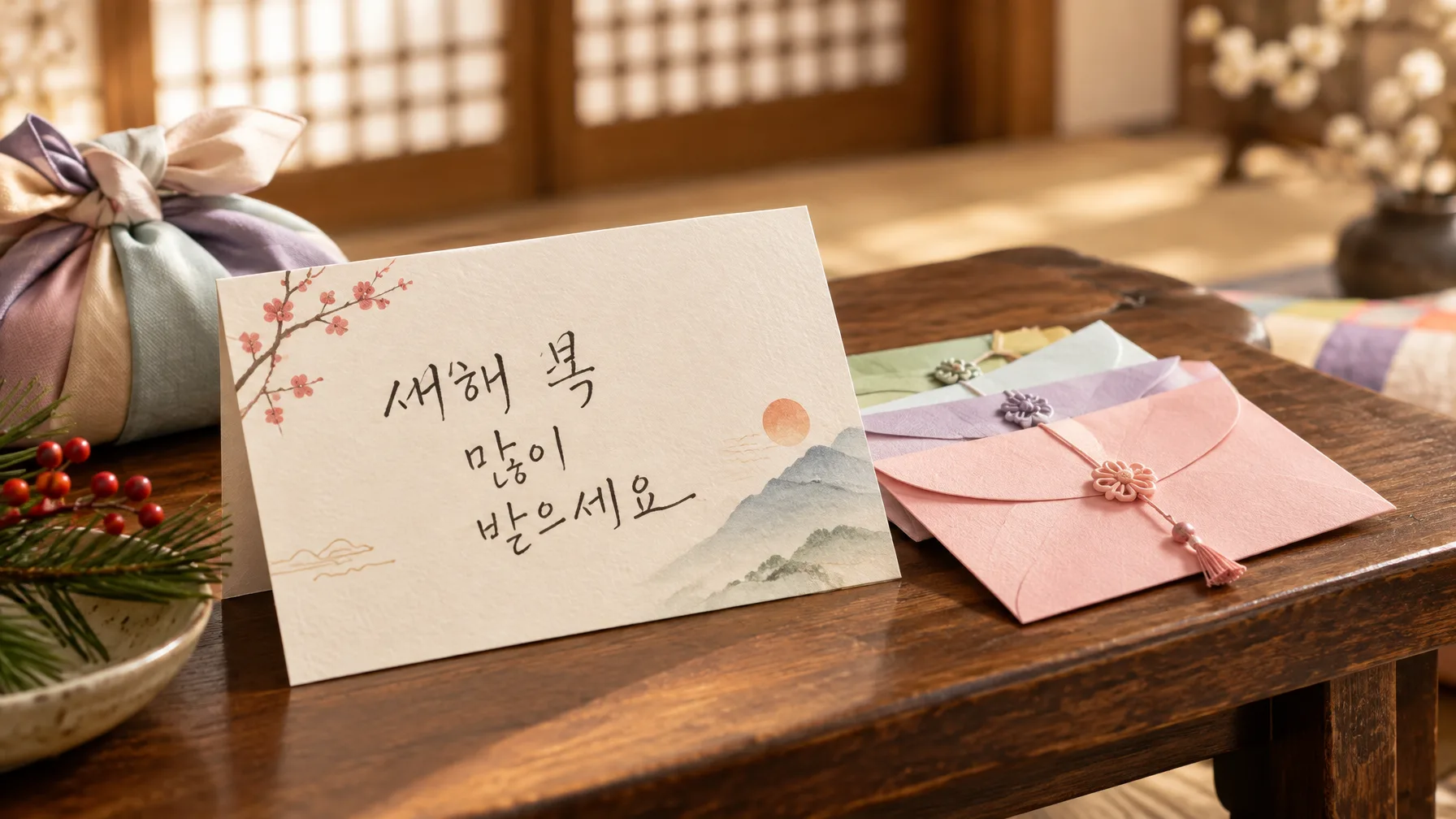
Saehae bok mani badeuseyo is the line, and the bow goes to elders
 AI-generated image
This is the standard Seollal greeting, and it also answers how to say happy new year in Korean. It carries two meanings at once: a plain “Happy New Year” and a small blessing for the year ahead.
Say it slowly, one beat at a time: sae-hae, bok, ma-ni, ba-deu-se-yo. Koreans don't treat the phrase as a fancy toast. It's the everyday Seollal greeting, so you can use it with confidence.
Seollal is the lunar New Year, and a public holiday since 1989
 AI-generated image
If you're asking what is Seollal, the name simply means the lunar New Year. It marks the first day of the Korean lunar calendar and ranks among the most important holidays in Korea. Schools and most businesses close for it.
In 1989, the Roh Tae-woo government made the lunar Seollal the official Seollal and a public holiday.
The day is filled with a mix of customs: ancestral rites called charye, seasonal foods, the sebae bow and spoken New Year wishes called deokdam. Customs differ from region to region. Through them, families and communities wish each other peace and well-being, and they keep their bonds strong.
Why the greeting comes with a deep bow
 AI-generated image
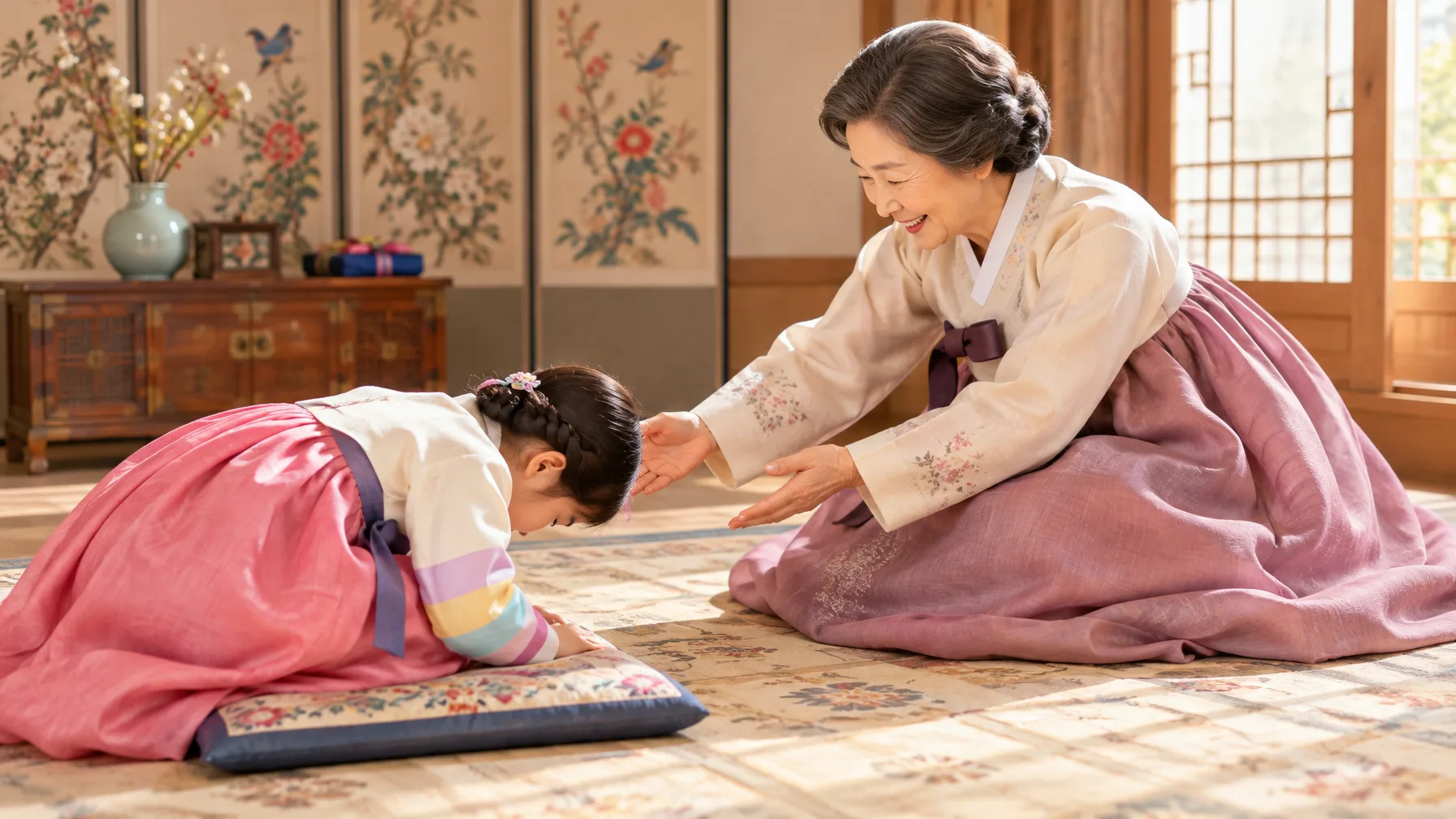
Sebae is the heart of the greeting. A younger person bows deeply to an older one and offers New Year wishes. It's considered the most important Seollal tradition. The words are the wish itself, so the bow and the phrase are one gesture, not two.
Elders answer in kind. They offer deokdam of their own, and they often hand over a gift envelope with money inside. The exchange runs in both directions: you give luck in words, and you receive it back as a blessing and a small gift.
The formal bow has its own place in Korean life beyond the holiday. To see when else it appears, read this: Keunjeol: Know When Korea’s Formal Bow Is Used
If you're curious how to celebrate Seollal the Korean way, the morning follows a clear order.
- The family holds charye, the ancestral rite, to honor those who came before.
- The younger relatives do sebae, bowing deeply.
- The elders reply with deokdam, their own New Year wishes, and often a gift envelope with money.
Tteokguk is the most important Seollal food. The most common version simmers sliced rice cakes in a beef broth. There's a saying attached to the bowl: eat tteokguk at Seollal and you turn a year older, Korean style.
Three days off in 2026, and much of Korea goes quiet
In 2026 the holiday lasts three days. None of those days falls on a Sunday, so there's no substitute holiday added on. Plan around three days, not four.
Most services stop. Banks, post offices and government offices stay closed all three days. Small shops, most neighborhood restaurants, and ordinary clinics and pharmacies close too. Many services shut the day before. Stock up on groceries ahead of time.
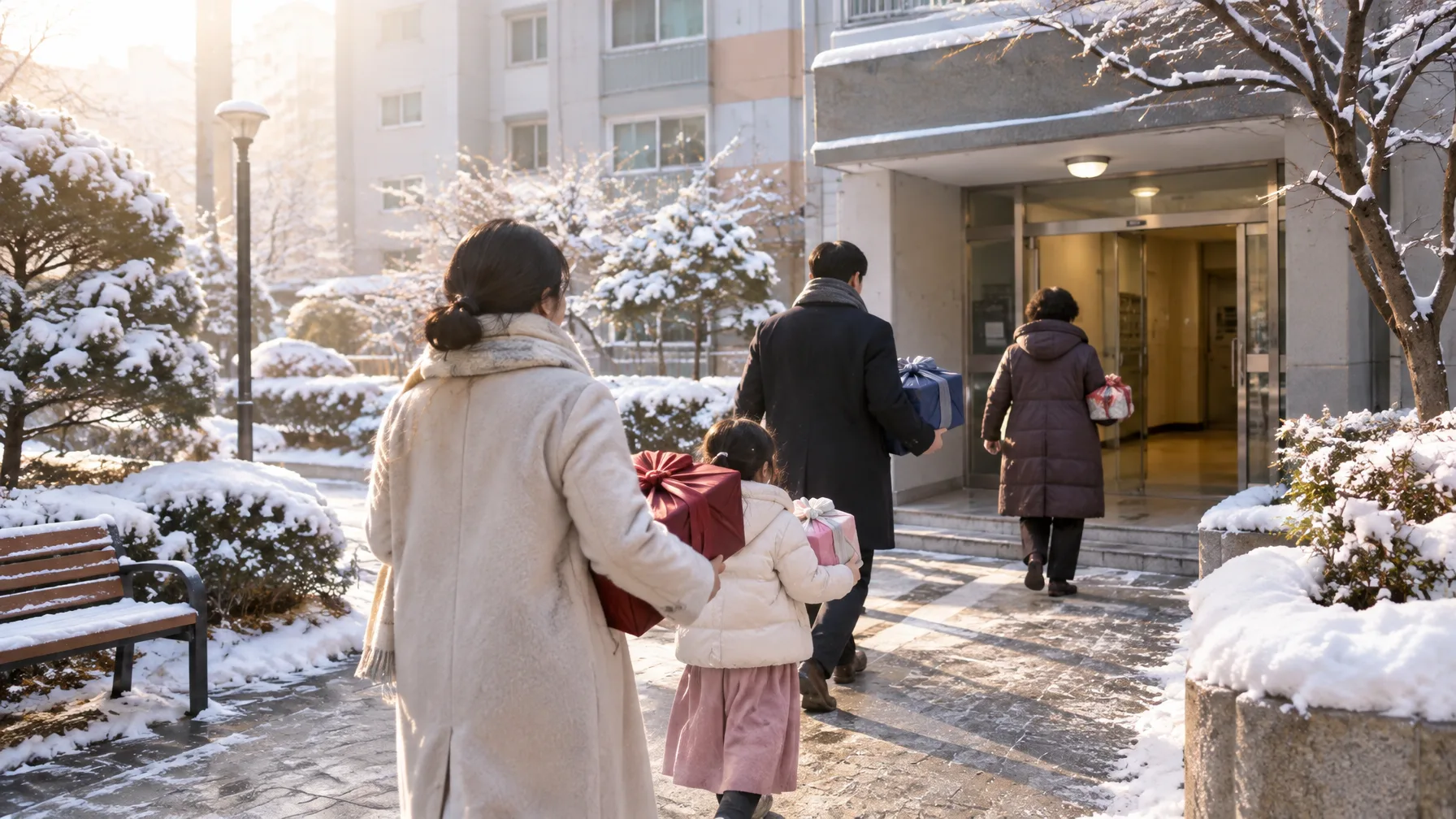
Travel is the other pinch. This is Korea's busiest domestic travel period, as people head to their hometowns. KTX high-speed train seats can sell out within minutes, and airfares climb. Highways jam badly on the first and last days. Buses and flights sell out, so book months ahead.
Seollal shares a wish with a US New Year but not its shape
Both holidays look back on the old year, welcome the new one, and hope for each other's well-being. They differ in shape. Seollal is a tradition built around ritual, while a US New Year leans toward celebration as part of everyday culture. In Korea, the shared meaning has been passed down through rites, customs and community promises.
| Seollal | US New Year | |
|---|---|---|
| Focus | Ritual-centered traditional holiday | Celebration-centered everyday culture |
| Core customs | Ancestral rite, seasonal food, sebae, deokdam | Celebrations woven into daily life |
| Shared wish | Look back, welcome the year, hope for well-being | Look back, welcome the year, hope for well-being |
Where first-timers get Seollal wrong
The bow isn't an everyday hello. A casual greeting is a different thing. To sort out when a bow makes sense, read this: Do Koreans bow when greeting?
Don't assume everyone follows the old script. Many Koreans now prefer modern clothes to hanbok, the traditional dress, so the dress custom is fading. Families also simplify the rite, laying out only the essential foods, and some swap traditional dishes for easier ones. Costs add up too, since travel and holiday groceries get pricier. Preparation takes real work, with cleaning, shopping and cooking, and the family does it together.
The wording is also a South Korean habit. In North Korea, January 1 counts for more than Seollal, so the Seollal-centered greeting doesn't map neatly there.
Your one line for the holiday
On Seollal, greet people with the standard line, and keep the bow for the right moment when greeting elders.
Comments
No comments yet.