
Cheapest Month to Go to Korea: January Beats Spring on Price
 AI-generated image
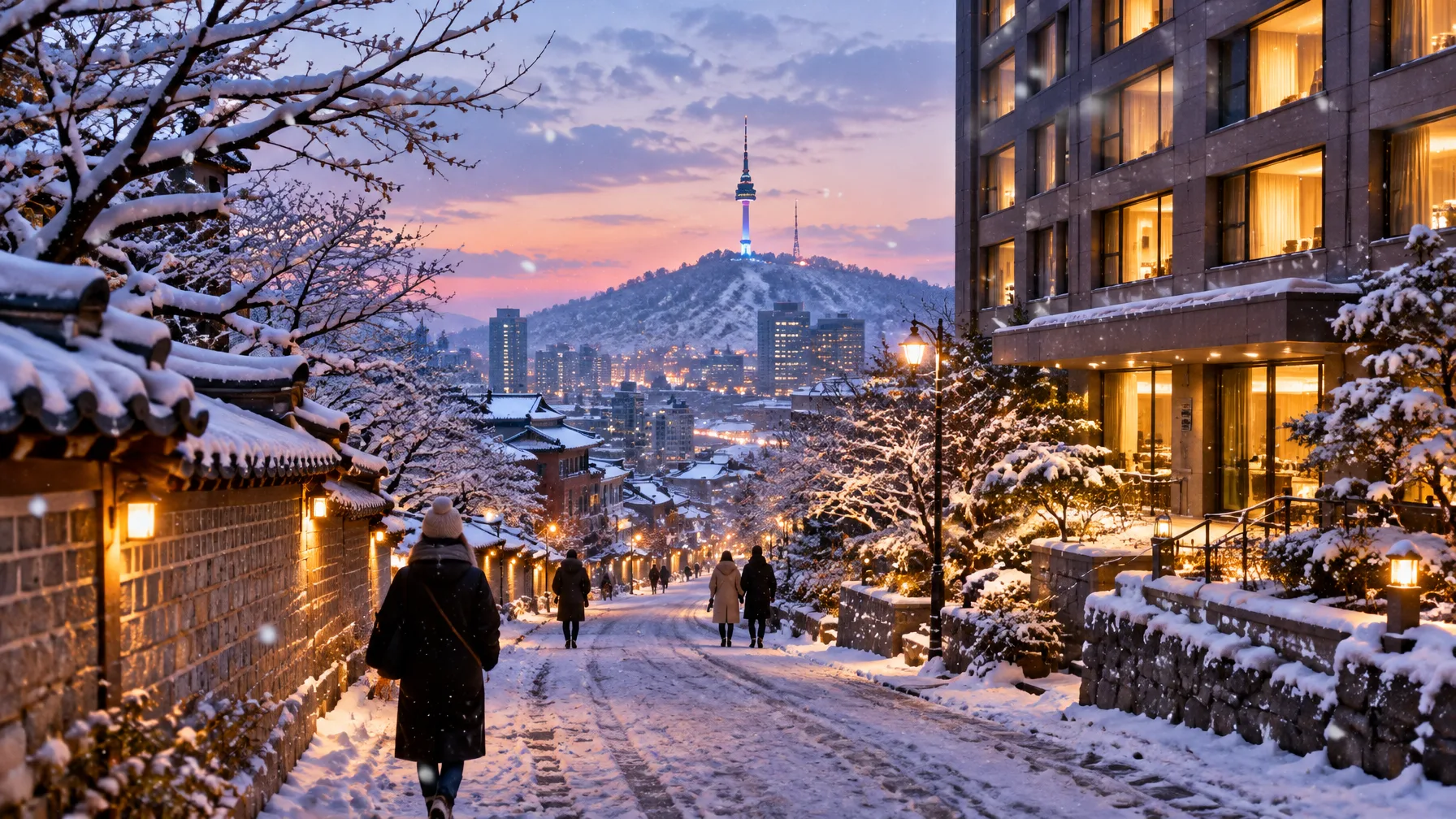
January is usually the cheapest month to go to Korea, inside a December–February low season. Winter hotels typically cost 40,000–90,000 KRW (about USD 30–70) per night, depending on the city and type of stay. Flights follow the same pattern, with the lowest fares usually showing up between late December and February. The discount comes with a trade: real cold, short days, and a few dates and places that break the pattern.
January is the cheapest month, and December to February is the low season
 AI-generated image
If your dates are flexible, pick January. Late December through February sits in the same low season, so you can stretch the window a little without losing much. January gets the nod because it combines fewer visitors with the lowest hotel prices of the year.
Treat this as a strong pattern, not a guarantee. Real prices move with the exact date and with demand. A winter week isn't automatically the lowest-priced week in every search.
Cold weather keeps visitors away, and prices follow them down
 AI-generated image
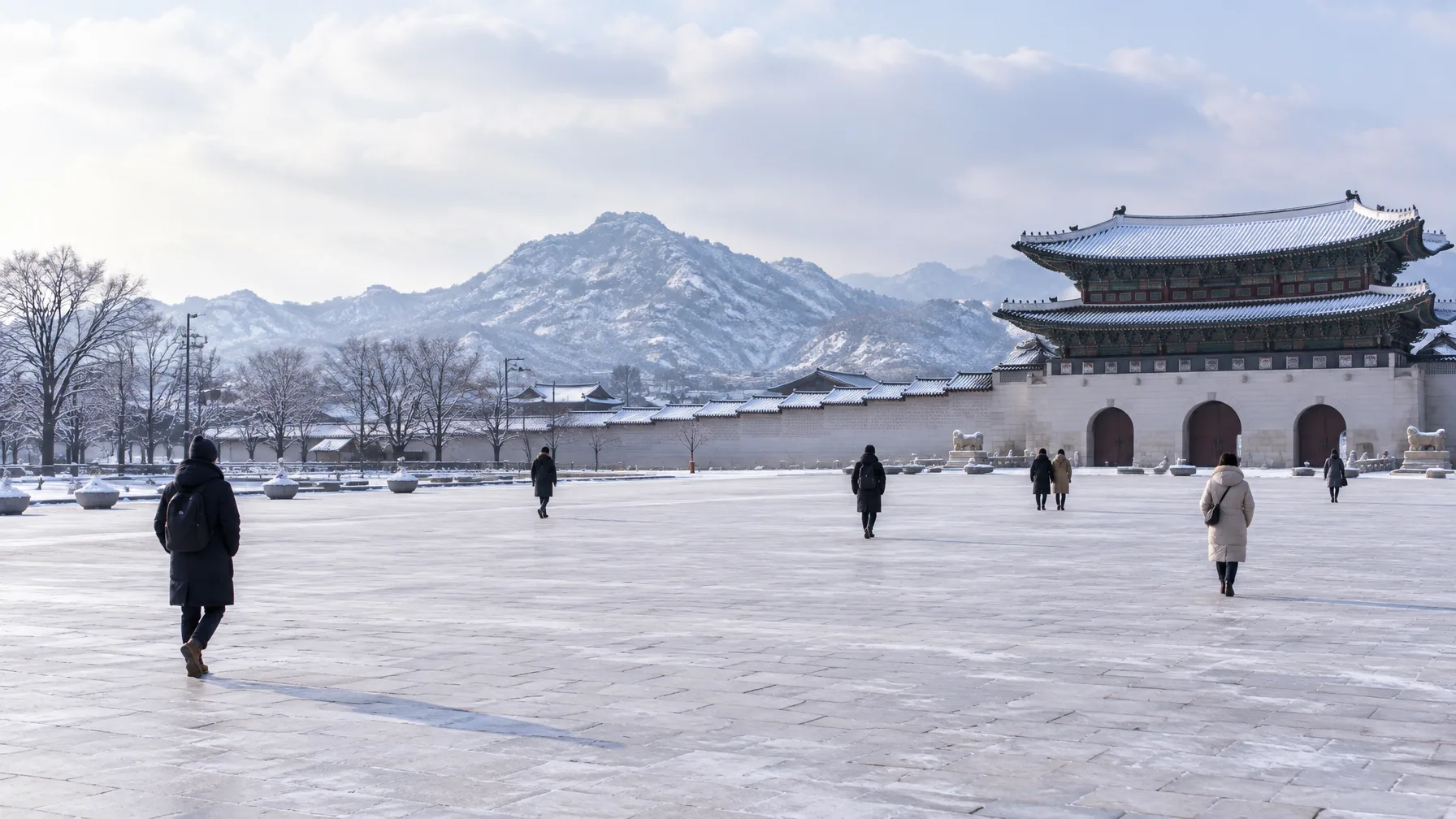
Winter is the quietest stretch of the tourism year. The cold keeps many travelers home, and when fewer people want a seat on a plane or a hotel room, airlines and hotels lower their prices to fill them.
January sits right at the bottom of that curve. Both flights and hotels cost less across December to February, a three-month window rather than a single week.
Winter hotel rates depend on the city and the kind of stay
 AI-generated image
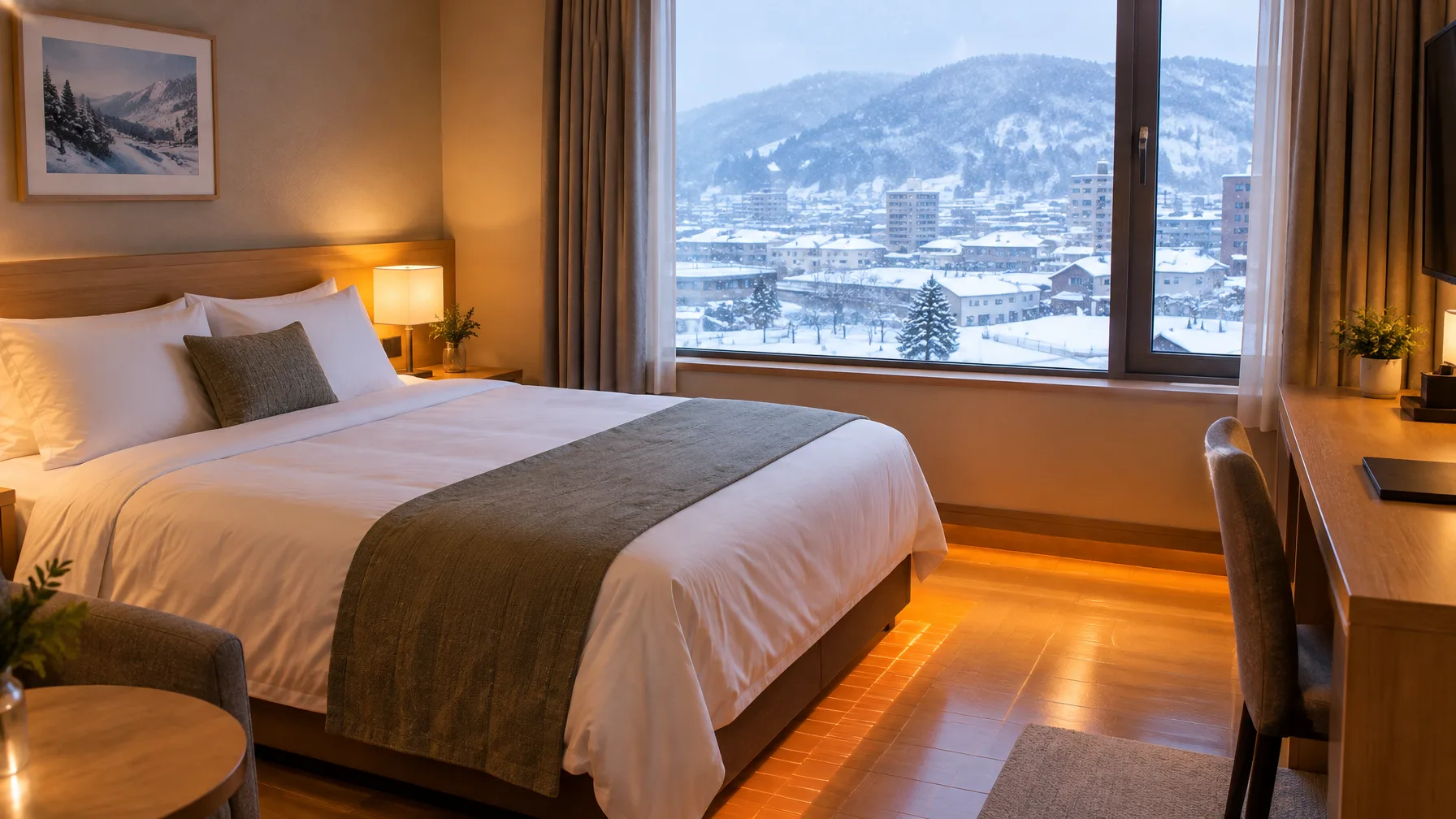
Korea winter hotel prices are a range, not one number. The city you pick and the type of accommodation you book decide where you land in it. A simple budget takes three steps.
- Choose your city or cities first, since that moves the nightly rate more than anything else.
- Decide on the type of stay, because the same city has cheaper and pricier options.
- Multiply by your number of nights and leave room for the price to drift with the dates.
Over seven nights, the same range works out to roughly 280,000 KRW at the low end and 630,000 KRW at the high end. That's for lodging alone. That gap is bigger than most people expect. It's worth deciding early which end of the range you're aiming for.
The cheapest month to fly depends on your departure city
Hotels follow Korea's calendar, but airfares also follow where you leave from.
Two habits keep the comparison honest. First, price your own home airport across several dates in December, January and February. Don't just trust a general chart. Second, add checked bag and seat selection fees to any low fare you see. The headline price often leaves them out, so the real total can land higher. That total is the number to compare.
Winter savings are paid for in cold and short days
The weather is the price of the discount. Winter days are short and the cold is real, so Korea winter travel suits people who plan around it. Cheap tickets can turn into a chilly trip if you pack as though it were fall.
Clothing is the cost that surprises people. If you don't already own a warm coat, gloves and layers, buying them has to go into the budget. That can eat a good part of what you saved on hotels. Start by checking your closet before you celebrate a low fare.
Seollal dates, ski resorts and summer are where the cheap-month idea breaks
Even inside the cheap months, some dates are the exception. Seollal, the Lunar New Year holiday, pushes demand up, and so does Chuseok, the autumn harvest holiday. A trip that lands on Seollal can cost more than a trip a week earlier or later. Check the holiday dates for your year before you book.
Ski resorts are the second trap. Cheap hotels in Seoul in winter don't mean a cheap ski-resort stay. The resort has its own demand in the same cold months. If skiing is part of the plan, price it separately.
The third mistake is assuming summer is a bargain too. In popular domestic vacation areas, lodging rates can climb in summer, so summer isn't cheap across the board.
Spring and fall can be worth the extra money for outdoor trips
Spring is the most expensive season, because cherry blossoms and warm weather bring crowds. If the blossoms are the reason you're going, the cheapest season may not be the best one. The same goes if you want to hike or see fall foliage. Paying more in spring or fall can be the better deal for that kind of trip.
A first trip built around cities, food and indoor stops can handle the cold more easily. A first trip built around being outdoors often cannot. Decide which one yours is, then let that settle the season before you chase the lowest price.
A winter trade-off checklist to run before you book
| Item | What winter does | What to watch for |
|---|---|---|
| City hotels | Lowest of the year, with January at the bottom | Seollal dates can cost more |
| Ski resorts | Do not follow the city discount | Stays can stay expensive |
| Warm clothing | Nothing drops | You may need to buy coats, gloves and layers |
| Daylight | Shorter days | Plan outdoor stops for the daytime hours |
| Spring or fall | Higher prices | Worth it for blossoms, hiking or foliage |
Book January, skip Seollal, and pack for real cold
January is the cheapest month to go to Korea. Aim for it, or for anywhere from late December to February. Fewer visitors come then, and hotels drop to their lowest rates of the year. Skip the Seollal holiday dates, check your own airport for the best fare, and pack for real cold. Bundle up, book that low fare, and enjoy a quieter Korea.
Comments
No comments yet.