
Does 119 Speak English? Use 1330 as Your Backup in Korea
 AI-generated image
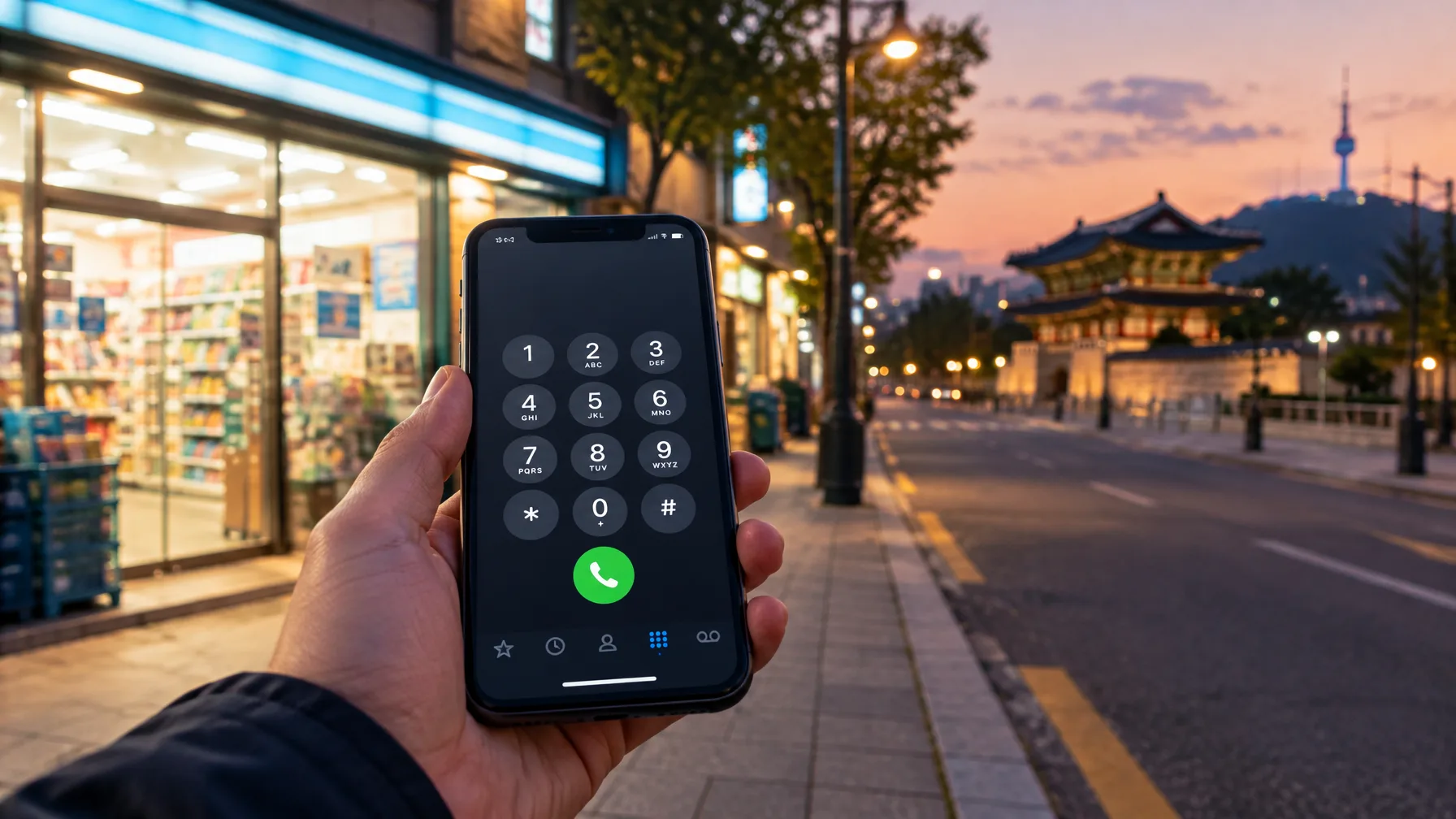
In Korea, call 119 for an ambulance or fire and 112 for police. If you don't speak Korean, 119 staff bring in a Korea Tourism Organization interpreter, and 1330 is the backup. Call 1330 and an interpreter there will contact 119 on your behalf. That covers the core of emergency help in Korea for foreigners. English isn't guaranteed at every desk. Below are what to say, how to describe where you are, and when to use the other lines.
Call 119 for an ambulance or fire, 112 for police
 AI-generated image
The Korean emergency number 119 reaches both the fire service and emergency medical care. Use it for accidents, sudden illness, and any time you need an ambulance. The ambulance number in Korea and the fire number are the same line, so you never have to choose between them.
If you've wondered what 112 is in Korea, it's the police number. It's the line for theft, assault and other crimes. Some 112 operators speak English too. Korea's 110 is something else: a public-service number, not an emergency line.
The emergency numbers were brought together so that reporting a crisis is easy, and the right agencies can then respond fast. Here is a quick which-number-when table for visitors.
| Number | Call it for | Good to know |
|---|---|---|
| 119 | Ambulance, fire, accidents | Reaches both the fire service and emergency medical care. |
| 112 | Police: theft, assault, other crimes | Some operators speak English. |
| 1330 | Korea Tourism Organization travel hotline | Multilingual, English included. An interpreter there can contact 119 for you. |
| 1339 | Non-emergency medical information | Medical help for foreign visitors. Not for life-threatening situations. |
English at 119 works like a relay, and the relay can stall
 AI-generated image
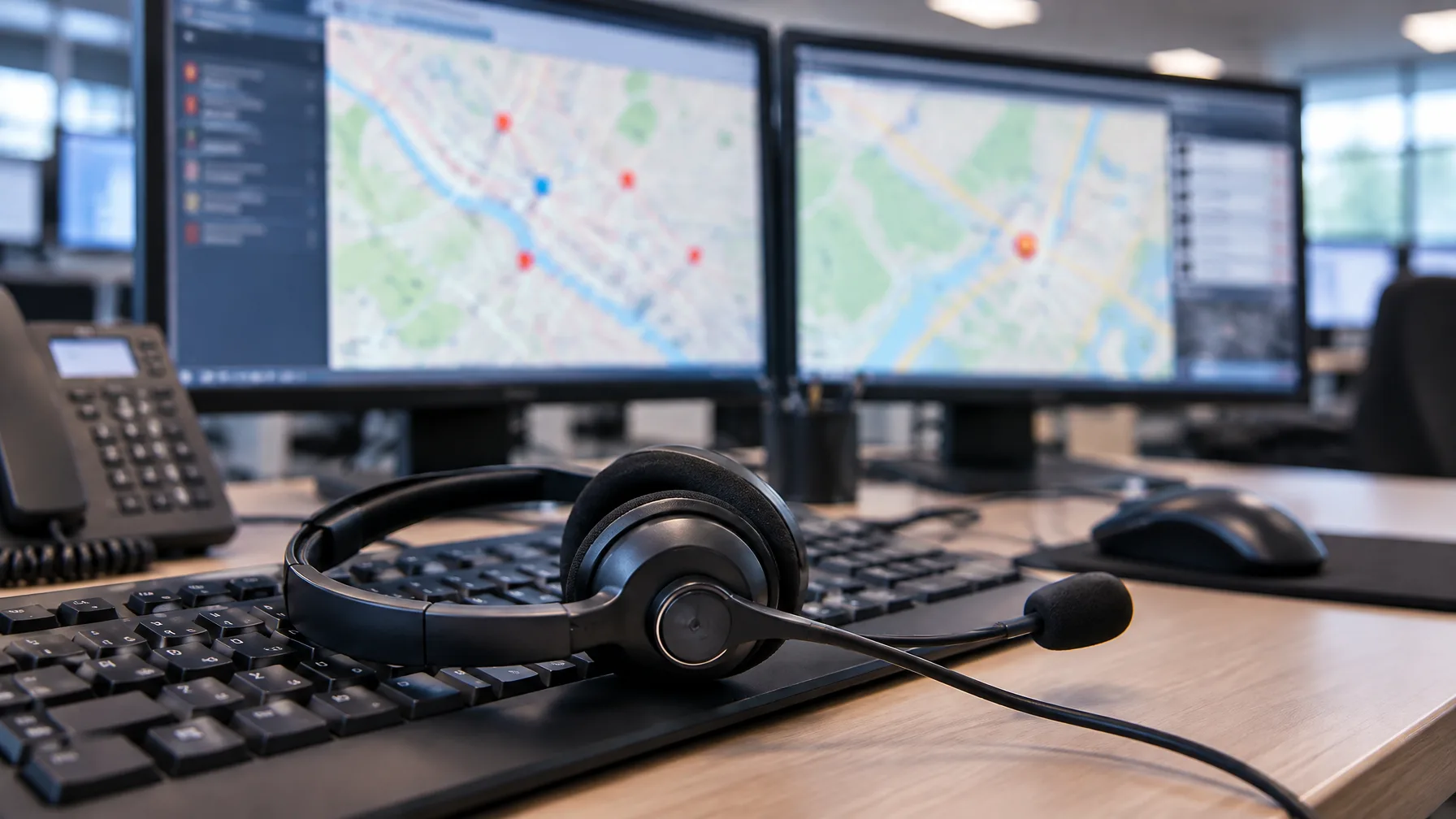
Think of English at 119 as a relay rather than a direct line. The staffer who answers may not speak English, and the interpreter joins after a transfer. Ask for an ambulance in English and one is dispatched to your location.
Local control rooms differ, though. An operator can have trouble working out which language you speak. That makes it harder to route you to the right interpreter. Interpreter support may be available, but you can't count on it every time.
When the local operator can't switch to English, 1330 is the fix. Dial it directly and an interpreter contacts 119 for you in your language. The line can also bring a nearby hospital into a multi-party call. Here is the order of steps that makes sense.
- Dial 119 and say 'ambulance' or 'emergency' in a clear, steady voice.
- Name your language, such as English, and expect to wait briefly while you're transferred.
- Repeat your location clearly while you wait, and add any landmark you can see.
- If no English speaker comes on, call 1330 and ask the interpreter to contact 119 for you.
- Stay on the line and keep answering questions until help is confirmed.
A 2 a.m. call from a dark road outside Pyeongtaek shows how the wait plays out. A group had found an unconscious older man, and no shop was open nearby. The Korean-speaking operator asked the caller to hold on, in Korean. About 30 seconds later, a fluent English-speaking 1330 agent joined the call, and the whole thing went smoothly.
The ambulance ride itself costs nothing
 AI-generated image
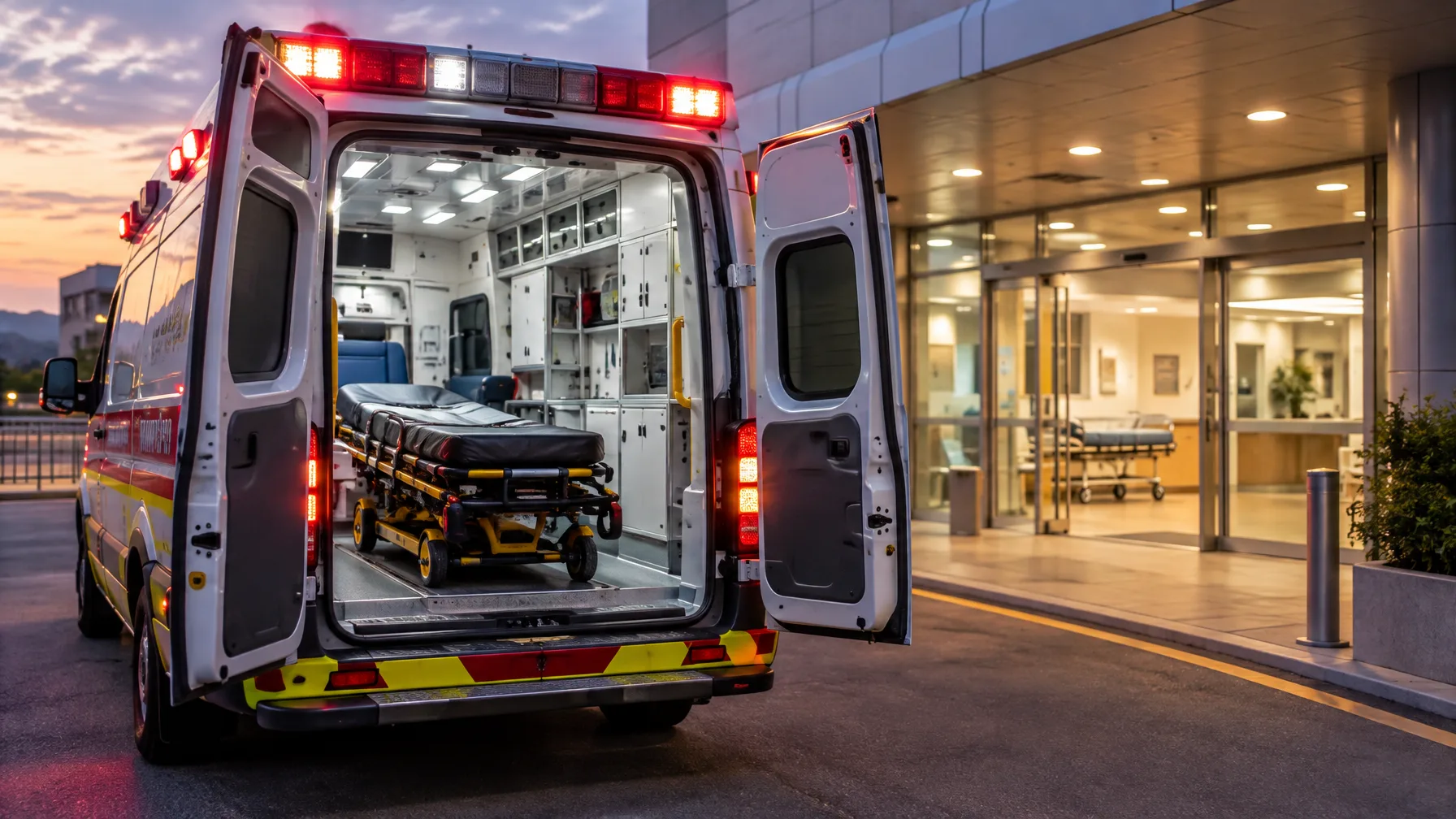
A 119 ambulance is free, so cost should never be the reason you hesitate to call. The ride is covered as a service, not billed to you.
The hospital is a separate matter. Travelers without Korean health insurance may have to pay the hospital directly. They can then claim the money back from their travel insurance later. How that works depends on your policy, so read the claim rules before you fly.
1330 for language trouble, 1339 for medical questions that aren't urgent
The 1330 Korea Travel Hotline is run by the Korea Tourism Organization. It helps in several languages, English among them, and it works as a tourist information line too. That's why it's so handy when you're stuck on a language problem in a real emergency.
The 1339 emergency medical information line is a different tool. It's reserved for non-emergency medical information calls, and it gives foreign visitors medical help. If you're unsure whether a symptom needs an ambulance, consider how urgent it is. Anything life-threatening goes to 119, not 1339.
Say 'ambulance', then give your location even if you don't know the address
Keep your first words short: 'ambulance' or 'emergency'. Then say your location clearly, and repeat it. Slow, simple words survive a bad connection better than long sentences. It is sensible to plan on the assumption that communication may be hard.
Still say where you are out loud, since a spoken location backs up what the system finds.
If you don't know the address, look around. A shop sign usually carries a phone number, and reading it out to a 1330 agent can help them find your location. Shops with English names are worth spotting too, because you can simply tell the agent the name.
Common slip-ups that cost minutes
The first slip is waiting. English alone is no reason to hold off on dialing 119. Using 1330 can make the call faster and less frustrating, but it doesn't replace calling for help.
The second slip is treating English as a promise. Availability and the connection process vary by region and situation, and support and procedures can change. Plan for a hiccup, and it will throw you less if one happens.
The third slip is dialing the wrong interpreter service. One interpretation line, +82 2 120, offers interpretation only on weekdays from 9 a.m. to 6 p.m. That doesn't suit a night or weekend emergency, so it isn't a stand-in for 119 or 1330.
Official pages worth a quick look before you go
Since services and procedures can change, a quick look before a trip is worth it.
Still sorting out your phone for the trip? Data options are covered in the Korea eSIM guide.
Save three numbers before you land
Use 119 for an ambulance or fire and 112 for police. Say 'ambulance' or 'emergency', and repeat your location clearly. If language gets in the way, 1330 can bring an interpreter onto the line to contact 119 for you. The ambulance itself is free, but English service isn't guaranteed everywhere.
Comments
No comments yet.