
Personal Customs Code Korea: 13 Characters, Free, No Expiry
 AI-generated image
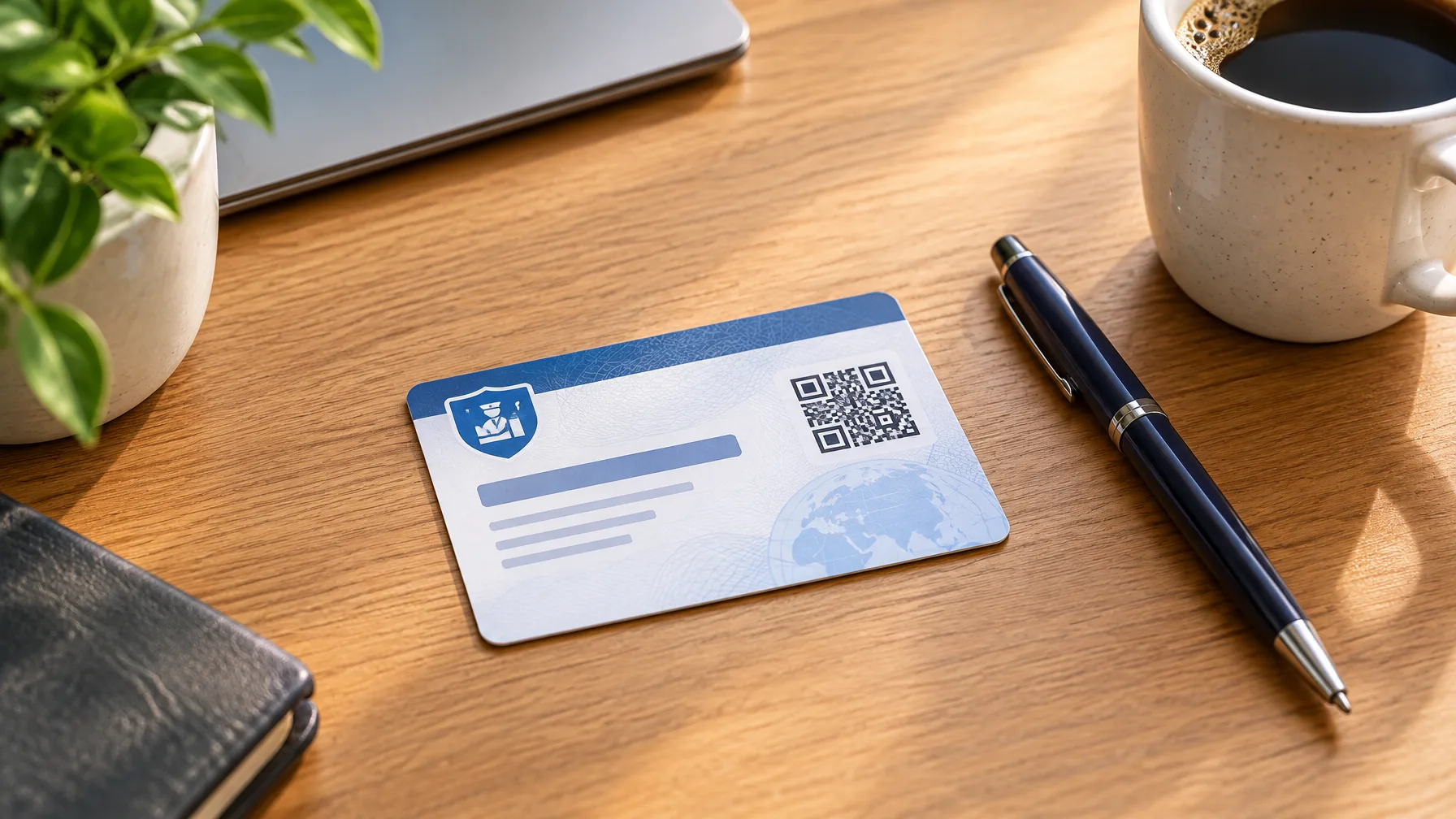
Korea's personal customs code (PCC) is the letter P plus 12 digits, 13 characters in all. It is free when you get it through the Korea Customs Service's UNI-PASS system, and it never expires unless you deactivate it. For anyone handling Korea customs clearance online for the first time, it is the one thing to sort out before ordering from an overseas shop.
Thirteen characters, no fee, no expiry: the whole code in one line
 AI-generated image
In practice that means one online application, done once. You apply on the UNI-PASS website and keep the code for good. Give it to a shop or courier when it asks for your customs ID. The part that takes care is the order itself. Keep a personal-use parcel under the duty-free ceiling, shipping counted in, and the duty and VAT drop off your bill.
UNI-PASS is the online counter, so there is no trip to a customs office
 AI-generated image
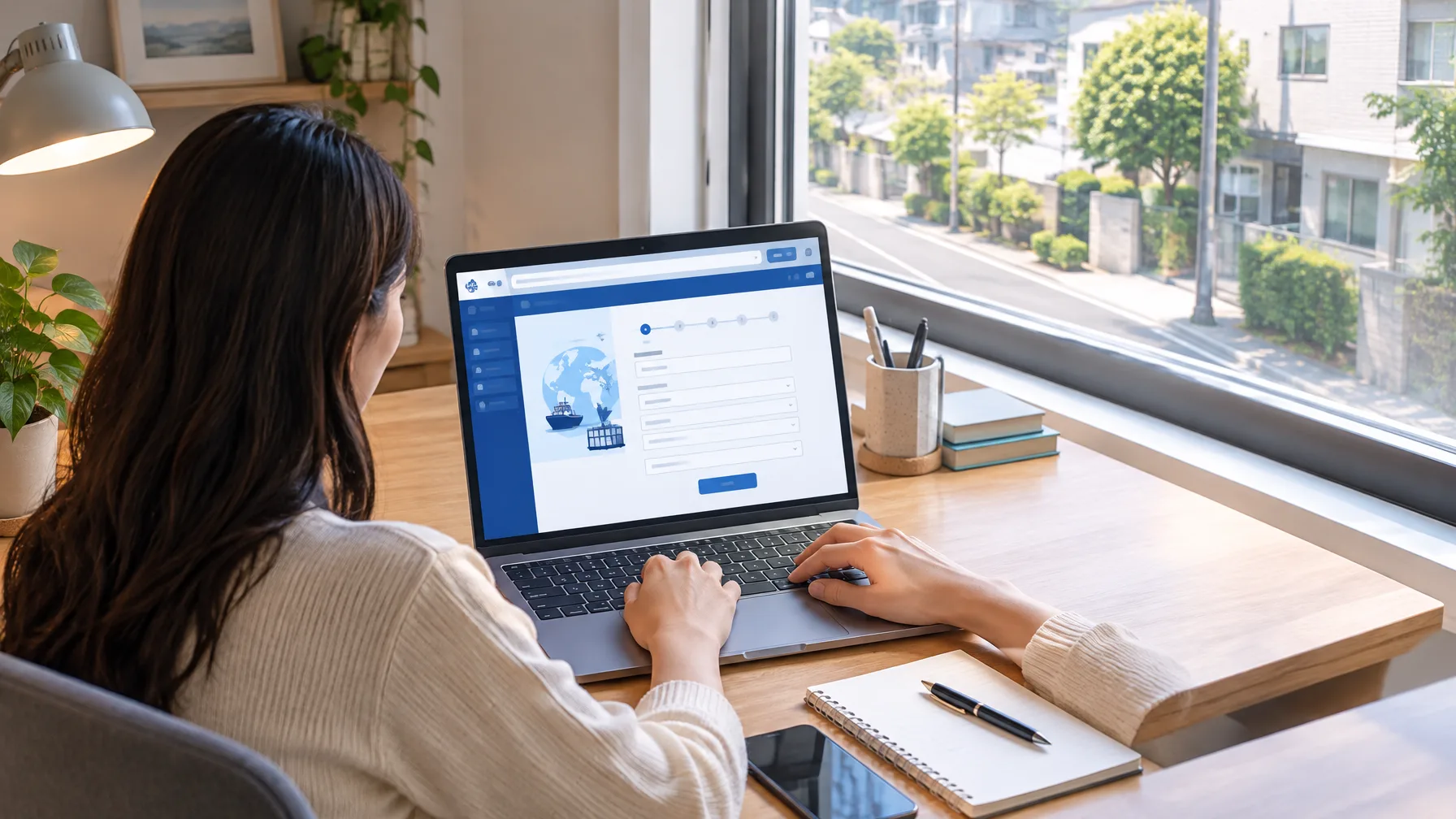
UNI-PASS is Korea's electronic customs clearance system. Goods bought or sold anywhere in the world can be registered, Korean customs procedures handled, and taxes paid online, with no visit to a customs office or a tax office.
The system exists partly because so many Koreans buy straight from overseas shops, where lower distribution costs make prices cheaper. The newer clearance process is built for a person ordering from a foreign website, who can have the parcel in a matter of days.
Why customs asks for a code: it keeps a running tally of what you buy
 AI-generated image
The code is linked to the customs system, and your cumulative purchases are monitored against it. That tally matters when customs decides what is duty-free and what is taxable. Think of it less as a permit and more as an account number that every cleared order gets added to.
The USD 150 line: shipping counts, and a few taxes stay
What decides the bill is the value of the parcel. Duty and VAT are waived only for personal-use goods whose total taxable value, shipping included, is USD 150 or less. Go over that and both are calculated on the full taxable value, not just on the extra amount. That is the USD 150 duty-free limit people talk about for overseas purchases in Korea.
One catch even under the line: tobacco consumption tax and individual consumption tax are still charged. So a small order of the wrong kind of goods is not fully tax-free.
Three tiers: the order value picks your paperwork
Korea sorts imports into three tiers by value. The first two tiers have a higher cutoff for goods from the United States. Here is how they line up.
| Tier | Order value | Good to know |
|---|---|---|
| Formal import declaration | Over USD 2,000, or goods excluded from the two easy tiers | Full import declaration |
Only list customs clearance is spelled out as needing the owner's ID number, and a personal customs code satisfies that. The easy tier also has exclusions: medicines, health supplements, food, alcohol, tobacco and some cosmetics. An order with any of these cannot use list clearance.
Applying on the UNI-PASS website takes a few clicks
- On a PC, open the UNI-PASS personal customs code page at unipass.customs.go.kr/csp/persIndex.do.
- Click New Issuance.
- Choose one of the identity verification methods offered.
- Complete the verification, then save your code somewhere you can copy it later.
Once an order has cleared, you can look up its clearance record on UNI-PASS. That view gets handy when you shop on several sites and want all your purchases in one place.
No code, or no alien registration card: a short-term visitor's options
The application route is built around an alien registration card for foreigners. If you don't hold one, applying for a personal customs code may simply not be open to you.
That doesn't always block a purchase, though. Buying and clearing goods without a code is possible in some cases. The courier may ask only for a passport number or an alien registration number. Before you spend time on the application, ask the shop or courier which ID it wants.
A code does not make duty or delays go away
Having a code does not erase a tax bill. Even after you have created it and supplied every detail, an order outside the duty-free tier can still owe tax.
Express cargo is X-rayed in full and also gets random inspections, so a parcel can be held up or flagged along the way. Misstating a price or bringing in banned goods can be punished under the Customs Act, so declare what is really in the box.
Messages from customs or a broker may arrive only in Korean, with the steps you need to take left unclear. If you can't read Korean, a real notice can look like spam. Reaching the right department by phone can also mean several transfers, so give yourself time.
The short version: get your personal customs code, P plus 12 digits, free through the official UNI-PASS route. Then keep each personal-use order at or under the duty-free ceiling, shipping included. That way duty and VAT stay off the bill. Visitors without an alien registration card should first find out whether they can apply. Or they can check whether the courier will take a passport number instead. Happy shopping, and may your parcels sail through.
Comments
No comments yet.