
Changdeokgung Palace Tickets: Do You Need to Book Huwon?
 AI-generated image
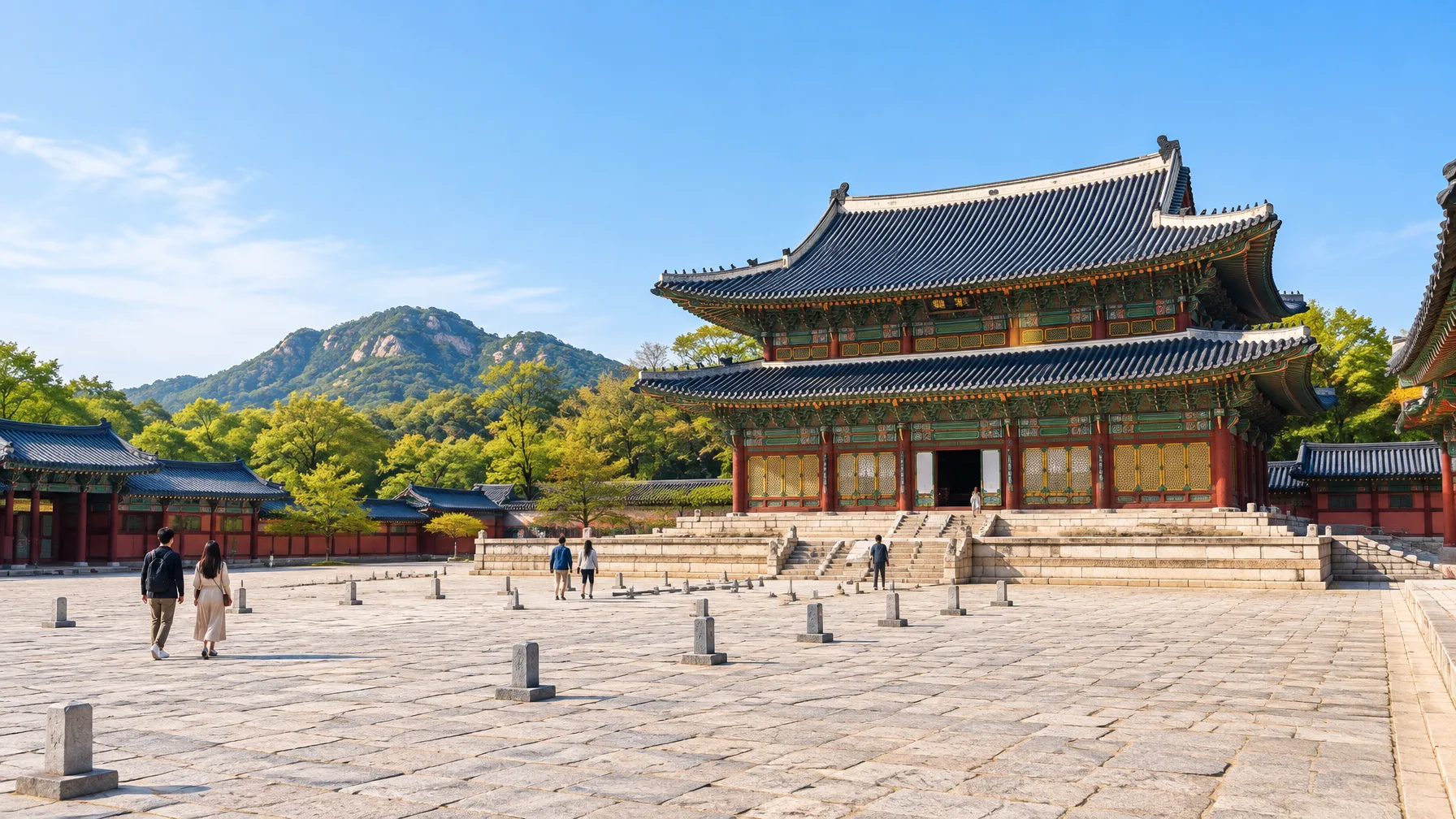
Changdeokgung Palace tickets are 3,000 won for the main palace grounds. The Secret Garden (Huwon) is a separate 5,000 won adult ticket with timed, limited entry, so book it ahead. Do you need to book the palace itself? No, but you do for the garden. It is worth the trip: this is one of the best-preserved palaces in Seoul and a UNESCO World Heritage Site.
Walk up for the palace, reserve ahead for the garden
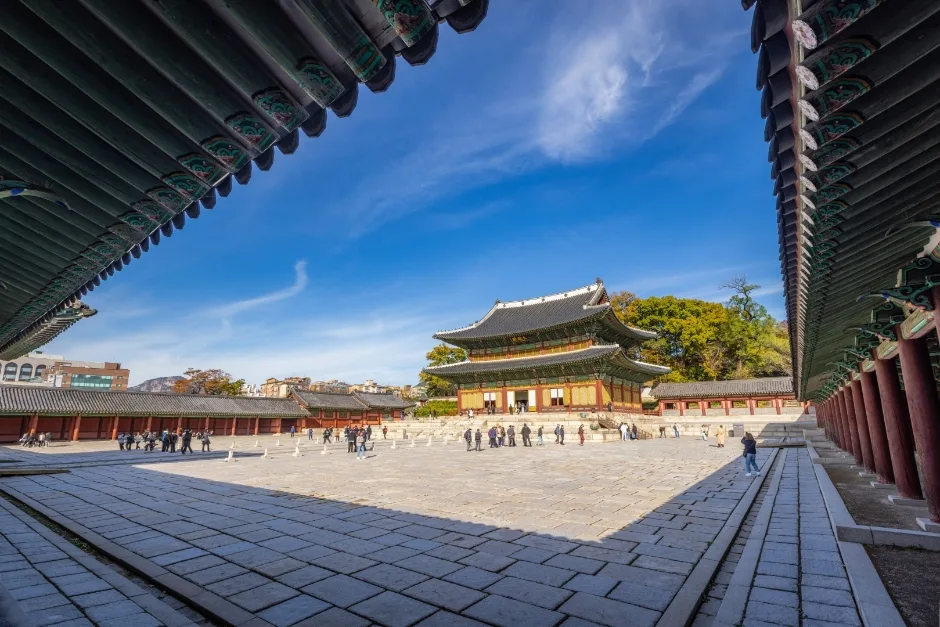 Photo: Korea Tourism Organization
Think of it as two separate visits. The main grounds ticket covers the public palace area, and you can buy it on the spot. Visitors say the line at the ticket window is rarely long.
The garden works differently. Entry is capped at 100 people per time slot, and the tours can sell out. If you turn up without a booking, you may not see the garden at all.
- Reserve a Huwon slot through the palace's integrated reservation service before you travel.
- Pick a time that fits your day. Each slot holds only 100 people.
- Buy the main grounds ticket at the gate on arrival.
- Tour the public halls first, then be at the garden gate when your slot starts.
Garden and pavilion visits go through that reservation service, not the regular ticket window.
The palace the kings actually chose to live in
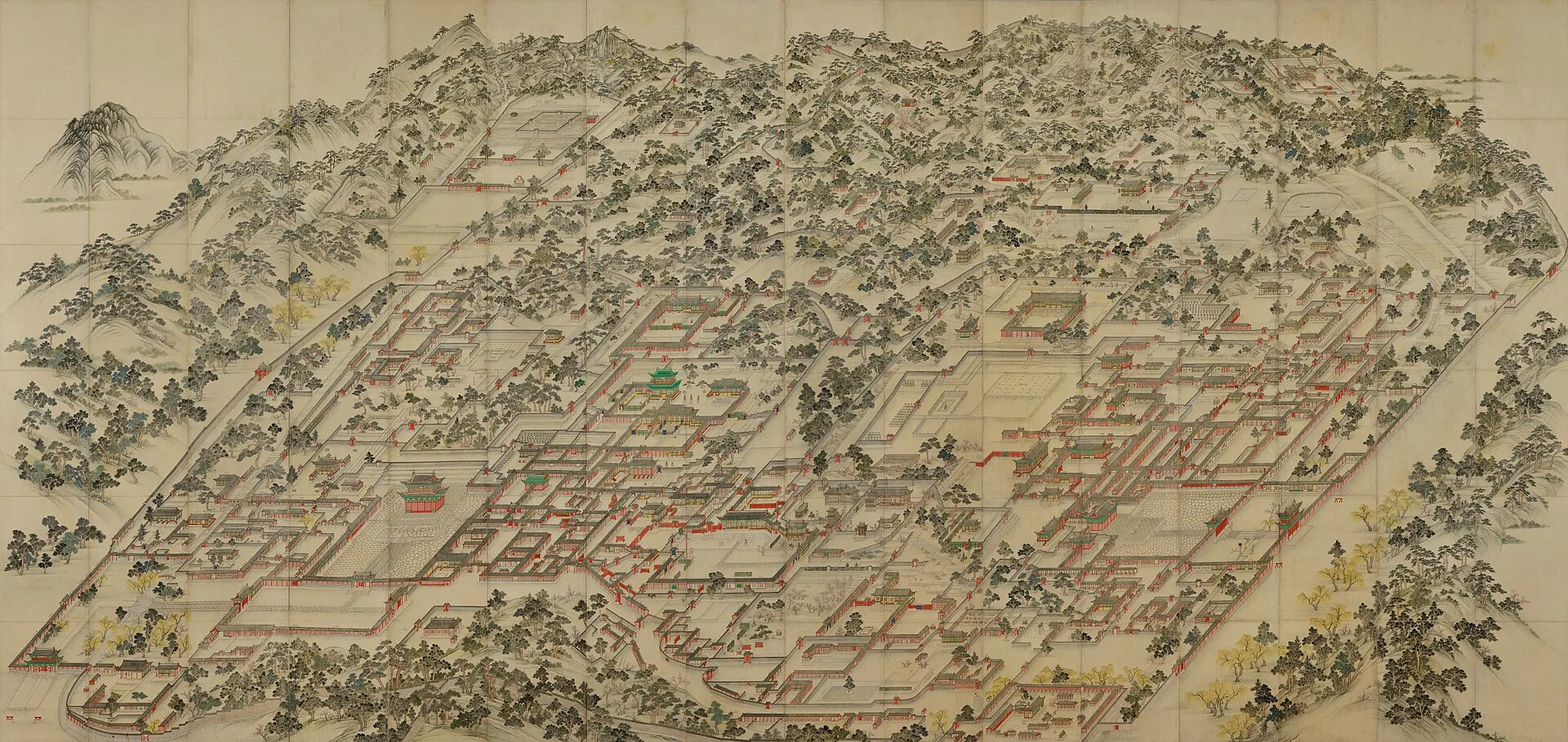
Built in 1405 after Gyeongbokgung, Changdeokgung is Seoul's second palace. Its standing grew under Seongjong, the 9th king of Joseon, and several later kings chose to live here.
The palace burned in 1592 during the Imjin War. It was rebuilt in 1610, ahead of the other palaces. From then until 1867, when Gyeongbokgung was rebuilt, it was the main home of the kings. It worked as the real seat of power.
Once known as the East Palace, it was joined to its neighbor Changgyeonggung with no boundary between the two. Many people consider it the most Korean of the palaces. The grounds hold three parts: a public palace area, the royal family's residence buildings and the rear garden. UNESCO listed it in 1997, and the protected area covers 57.9 hectares, or 0.224 square miles.
Quiet halls, soft light and a garden that earns its slot
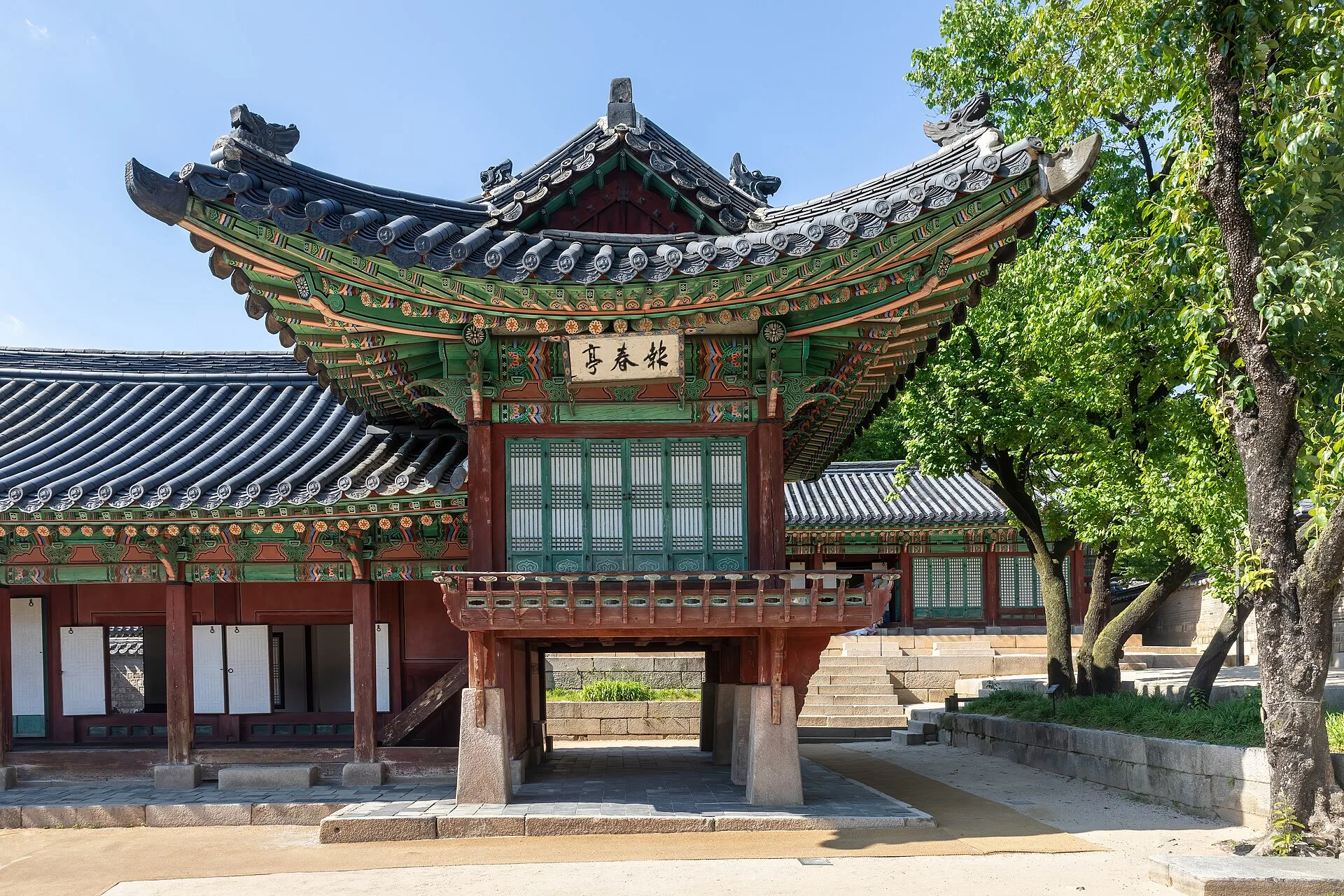 Photo: Basile Morin / Wikimedia Commons (CC BY-SA 4.0)
Visitors often remember the traditional architecture, wide courtyards and peaceful mood, and the buildings in the morning sun draw particular praise.
It also suits a slow walk in hanbok, the traditional Korean dress. It's easy to get good photos without dodging crowds or waiting for a clear spot. The garden adds a different mood. It was a resting place for kings, and it holds a pond, a pavilion and a tree more than 300 years old.
What the garden tour involves, and the ticket sheet at a glance
The main ticket covers the palace area, while the garden carries its own fee. Part of the garden is open to the public, but some areas can be seen only on a reserved tour. The guided walk lasts about an hour, and people say it makes the ticket feel well spent.
Guided tours run in English, Japanese and Chinese. The walking tour has one catch. If a weather alert is issued for heat wave, typhoon, heavy rain or fine dust, every reservation is cancelled at once. Keep an eye on the forecast if your dates are fixed.
| Item | Detail |
|---|---|
| Main palace grounds | 3,000 won |
| Secret Garden (Huwon), adult | 5,000 won |
| Secret Garden (Huwon), child | 2,500 won |
| Closed | Mondays |
| Parking | Not available |
| Address | 99 Yulgok-ro, Jongno-gu, Seoul |
| Information line | +82-2-3668-2300 |
Changdeokgung vs. Gyeongbokgung: the better-preserved pick
Of the five royal Joseon palaces still standing, Changdeokgung is the best preserved. Gyeongbokgung is the more famous name, though some travelers who have seen both prefer Changdeokgung.
To see how the two palaces traded roles, read Gyeongbokgung Palace History: Why Changdeokgung Took Over. Ticket rules are covered separately. Gyeongbokgung Palace Entrance Fee: Is It Free for You? Seeing both in one trip makes the contrast easy to feel.
Opening hours shift with the season, and Monday is the closed day
| Months | Opens | Closes | Last admission |
|---|---|---|---|
| February to May, September to October | 09:00 | 18:00 | One hour before closing |
| June to August | 09:00 | 18:30 | One hour before closing |
| November to January | 09:00 | 17:30 | One hour before closing |
Plan to arrive well before that, especially in winter, when the day ends at 17:30. The palace is closed on Mondays. If a Monday falls on a public holiday, it opens that day and closes the next business day instead.
Getting in is straightforward. The entrance is at 99 Yulgok-ro in Jongno-gu, and you buy the main ticket there. There is no parking, so plan to arrive some other way.
Injeongjeon, Nakseonjae and the Daraenamu tree
The buildings sit well apart, which makes the hall seem grander and one of a kind. The interior isn't what you'd expect from a main hall. A short explanation from a guide helps it make sense.
Nakseonjae is a good place to spend spare time. Garden slots are fixed, and arriving about 20 minutes early will not get you in sooner. Walking over to Nakseonjae while you wait is a handy way to use the gap.
The Daraenamu tree is also worth seeking out. It is estimated at 600 years old, so it was probably planted before the palace was built. It stands about 19 meters tall with six trunks sprawling in different directions. It is the biggest and oldest of its kind in Korea and a National Natural Monument.
Where first-timers trip up
Set your expectations too. The relics and furniture have been removed, so the palace feels somewhat bare, and many of the halls stand empty. If you want the stories behind it, join the guided Secret Garden tour or listen to a commentary. The sights here are the layout and arrangement of the grounds, and the garden.
Where to check before you go
The 1330 Travel Hotline, +82-2-1330, answers in Korean, English, Japanese and Chinese. It can help if a weather alert or holiday changes your plans.
Go, and lock in the garden before anything else
You can pay for the main grounds at the gate. Reserve Secret Garden entry ahead, because entry is timed and can sell out.
Comments
No comments yet.