
Seongsu-dong: Seoul's Brooklyn, 20 Minutes from Myeongdong
 AI-generated image
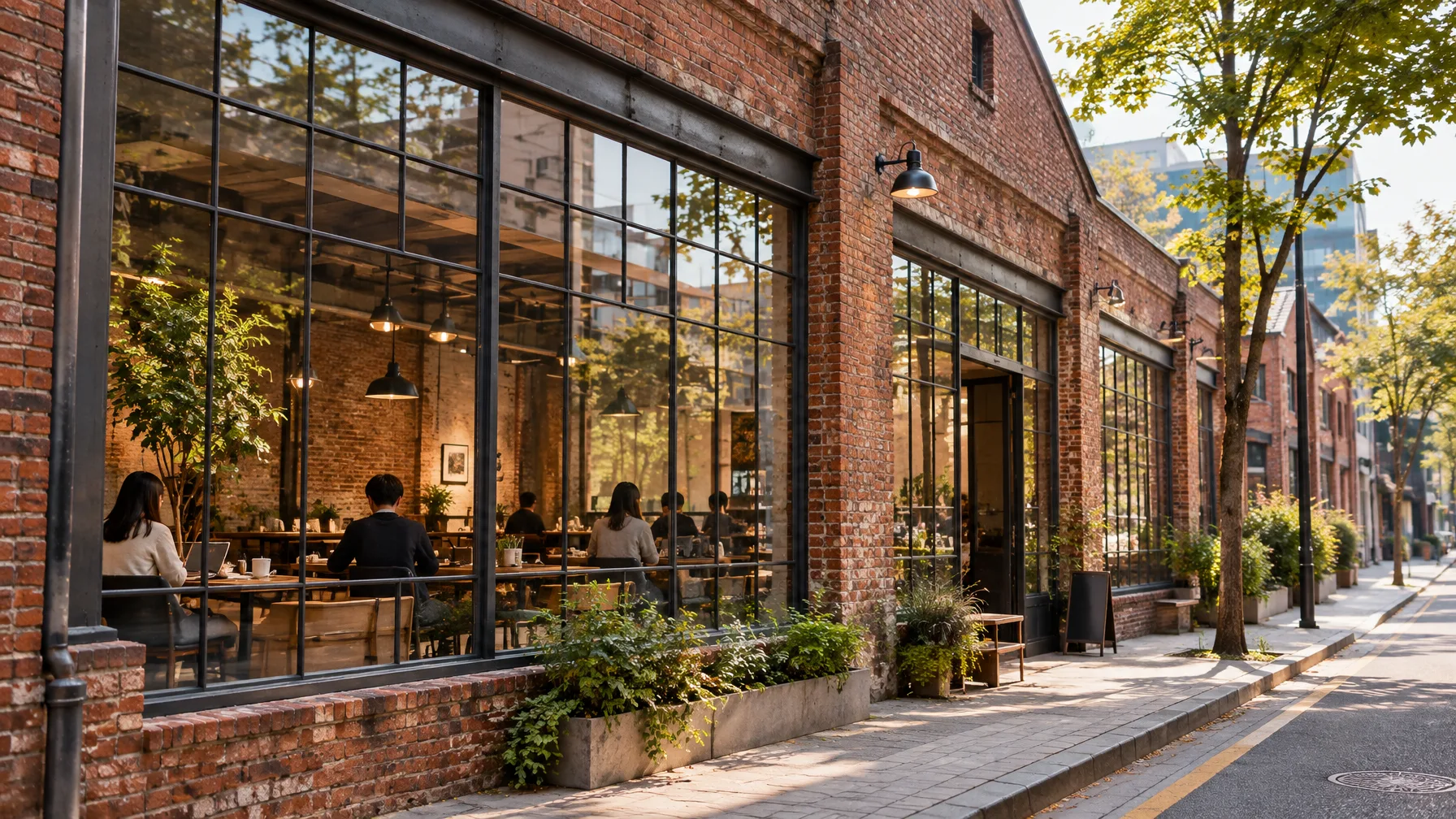
Seongsu-dong is a Seongdong-gu neighborhood just east of central Seoul on the north bank of the Han River. Old factories and houses there have become cafes and restaurants, which earned it the nickname "Seoul's Brooklyn." The subway from Myeongdong via Euljiro 3-ga takes about 20 minutes. If you like cafes in converted buildings, small shops and a big park, Seongsu-dong is an easy half-day trip. Below you'll find where it sits, what there is to buy, how to get there and what to line up before you go.
Seongsu-dong is a Seongdong-gu neighborhood, 20 minutes from Myeongdong
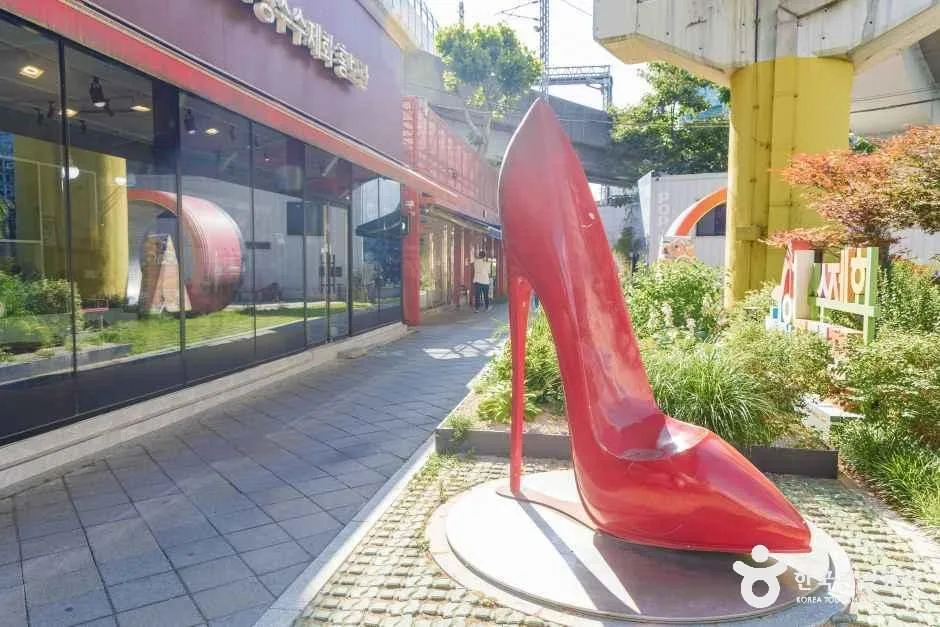 Photo: Korea Tourism Organization
A dong is a neighborhood-level unit. Seongsu-dong belongs to Seongdong-gu, one of Seoul's districts, and covers about 5.08 km². The 2001 count was 72,489 residents, and the area is split into Seongsu 1-ga and 2-ga.
If you open a Seongsu-dong map, look for three stations. Ttukseom and Seongsu are on Line 2, and Seoul Forest is on the Suin-Bundang Line.
Old factories, new cafes: where the Brooklyn label comes from
 AI-generated image
The nickname fits because the area never stopped being a working district. Car repair shops, printing factories and handmade shoe workshops are still there. Global restaurant brands, select shops and cafes have opened in between. That mix is what gives Seongsu-dong Seoul its own feel.
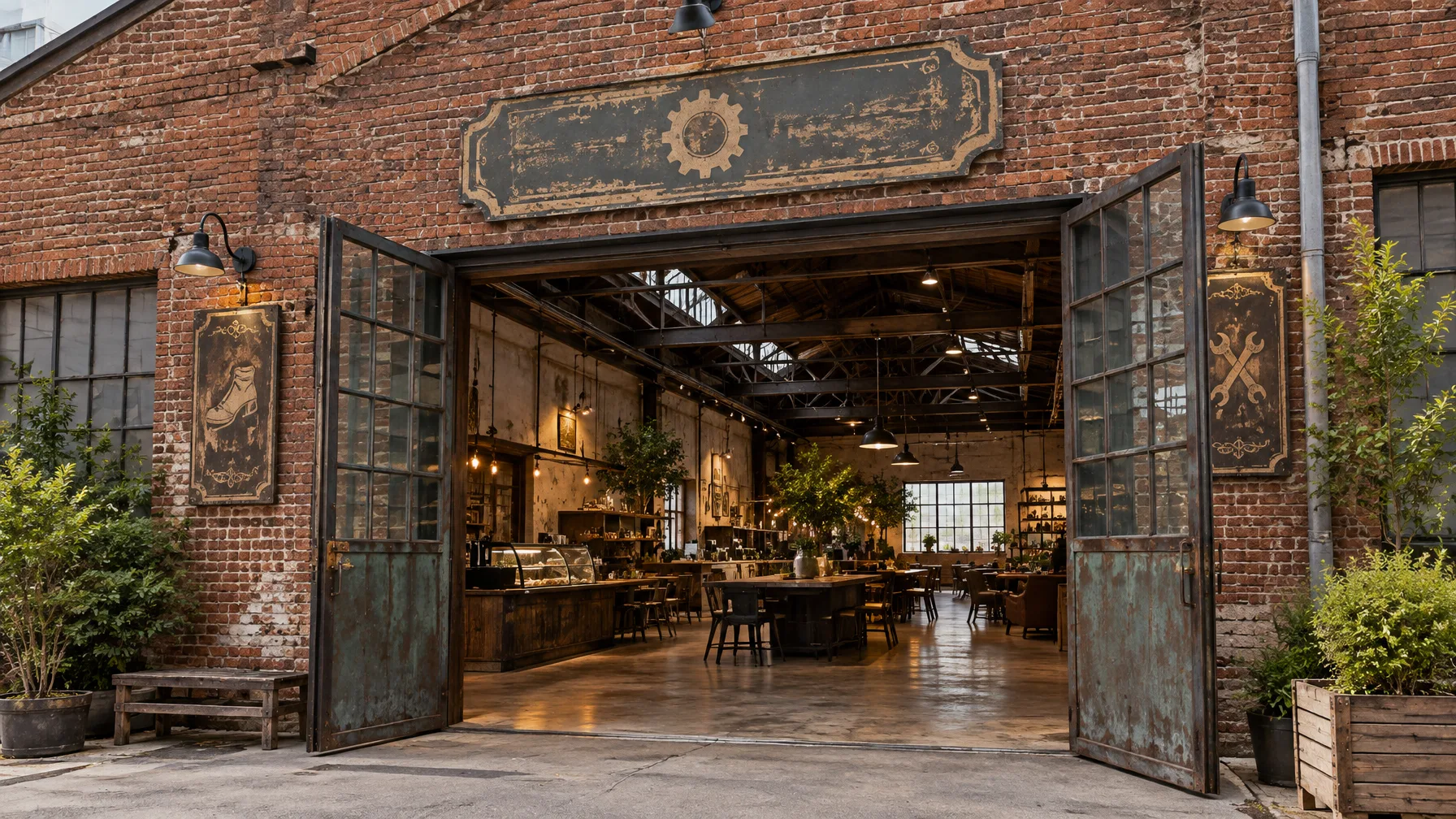
The change is often traced to Daerim Warehouse. It was the forerunner of the warehouse-style cafes you see along Cafe Street today. Its red-brick structure, antique signboards and huge indoor space were kept, and a stylish interior was added. It now works for fashion shows and exhibits, which shows what an old building here can become. Yeonmujang-gil, once known for factories and a shoe workshop street, has gone the same way.
The area was not always this busy. For a time, factories and warehouses were shutting down and the area seemed to be losing steam. Cafes, bakeries, restaurants and cultural complexes now open constantly. That is why a roundup of Seongsu-dong cafes goes stale fast.
Seongsu-dong shopping: small shops, classes and a perfume workshop
 AI-generated image
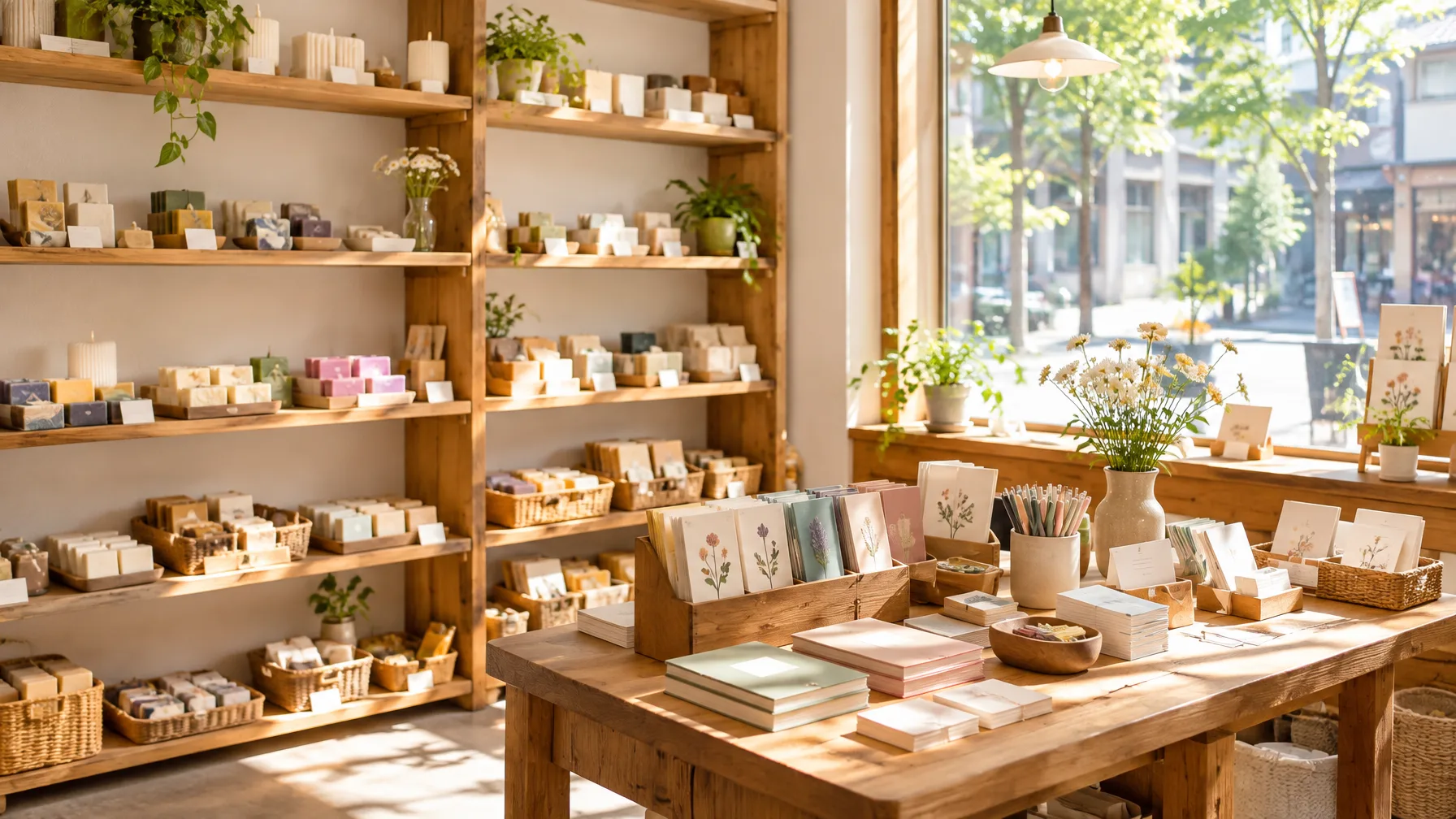
Shopping here means browsing small, particular shops rather than one big mall. Olive Young N Seongsu runs two classes, Home Care Lesson and Pick Your Vibe. A perfume workshop called .NOTE sells blends at 44,000 won for 50 ml and 66,000 won for 100 ml.
Hanajo's soaps and the shops where time slips away while you look around are small pleasures here. At Geulwol, a pen-pal service, even a letter envelope left behind by someone else brings a smile. Many people save more places on a map than they can reach, get through only part of it, and decide to come back. Plan for fewer stops than you think.
Guides to the area tend to keep their stops within a 15-minute walk of each other. That is the real advantage of Seongsu-dong. You can do a handful of shops and a cafe on foot without ever needing another train.
Subway or taxi: getting from central Seoul to Seongsu
Seongsu is on Line 2, the circular line, one stop after Konkuk Univ. Entrance. A taxi is the other option from central Seoul, and the table shows how the two compare from the middle of Myeongdong.
| Way to go | Time | Good to know |
|---|---|---|
| Subway via Euljiro 3-ga | About 20 minutes | Seongsu station on Line 2, one stop after Konkuk Univ. Entrance |
| Taxi | About 10 minutes outside rush hour | About 7 km from central Myeongdong |
The taxi wins on time only when roads are clear. In rush hour that 10-minute figure won't hold, so the train is the safer pick for most people. Driving yourself is harder, because neither Cafe Street nor the Handmade Shoes Street has parking. The advice for Cafe Street is to use the Seongsu Station public parking lot.
Seongsu-dong things to do beyond the shops: Seoul Forest and two famous streets
The best-known sight in the neighborhood is Seoul Forest, a park. It is the easy choice when you want a break from cafes and shop doors.
Seongsu-dong Cafe Street is open 24 hours, all year, and it's free to walk. For questions, the 1330 Travel Hotline (+82-2-1330) answers in Korean, English, Japanese and Chinese, and Seongdong-gu Culture Tourism is at +82-2-2286-5114.
The Handmade Shoes Street, at 289-30 Seongsu-dong 2(i)-ga, began in the 1970s when shoemakers gathered there. Today it counts some 350 handmade shoe makers and about 100 intermediate-processing and raw-material companies, with new cafes opening between them. The vintage look makes it popular for dates. Opening hours and closing days vary by store; questions can go to +82-2-2286-7783.
Reservations, closing days and street rules to sort out before you leave
- Olive Young N Seongsu: Home Care Lesson and Pick Your Vibe need an advance reservation. Next week's slots open every Friday at noon.
- EIRENE, the handmade shoe shop, takes reservations Tuesday through Saturday.
- AMORE Seongsu is closed on Mondays, so plan it for another day.
- The .NOTE perfume workshop takes cards only, so don't count on cash.
- Yeonmujang-gil closes to cars during some weekend hours to keep walkers safe. At other times, watch for traffic yourself.
- Guided walking tours cancel every booking at once when a heat, typhoon, heavy-rain or fine-dust warning is issued. That rule covers Seoul's walking-tour program in general.
If you join a guided walk, know that the operations office and the guide don't take responsibility for accidents. That condition applies to the whole program, not only Seongsu-dong. Going on your own is easy enough here.
It's no longer a quiet factory district, and the shoe street is thinner than the name suggests
Don't expect a hidden-away corner of old Seoul. Big domestic and foreign brands have rushed in with flagship stores. They aim at free-spending young shoppers and foreign tourists. So Seongsu has become a commercial tourist destination. Even the station name is part of it. The Musinsa tag on Seongsu Station comes from a paid, three-year naming-rights deal with Seoul Transit.
The shoe street needs a second look too. The handmade shoe market has shrunk and the street has been in trouble. Its liveliness leans more on urban regeneration projects than on demand. Many of the factories that once defined the area are gone. Custom handmade shoes are available only at some shops. Go for the atmosphere, and check ahead if you want shoes made.
Starting from Myeongdong? Two pages to read first
Most first-timers set out from central Seoul, so these two pages help with the starting point. First, Myeongdong Street Seoul: What It's Famous For, Day or Night. Second, Myeongdong Korea Map: Find the district in central Seoul.
Worth the ride east if you like cafes in old factories
Go if you like converted-factory cafes. The trip is about 20 minutes by subway from Myeongdong. Check opening days and reservations for individual shops before you set out, and leave room in the day to wander.
Comments
No comments yet.