
Korean cultural taboos: what is actually considered rude?
 AI-generated image
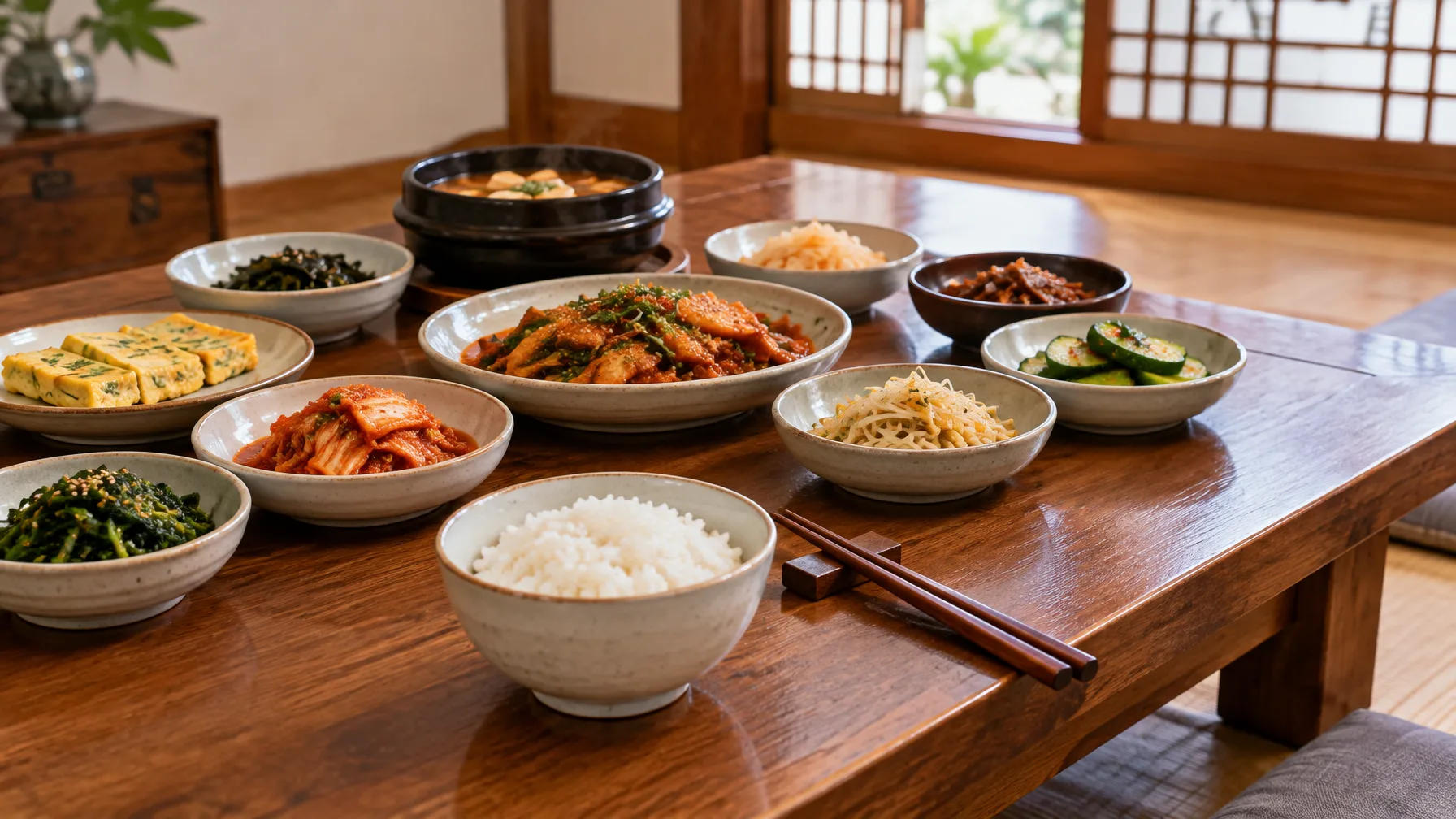
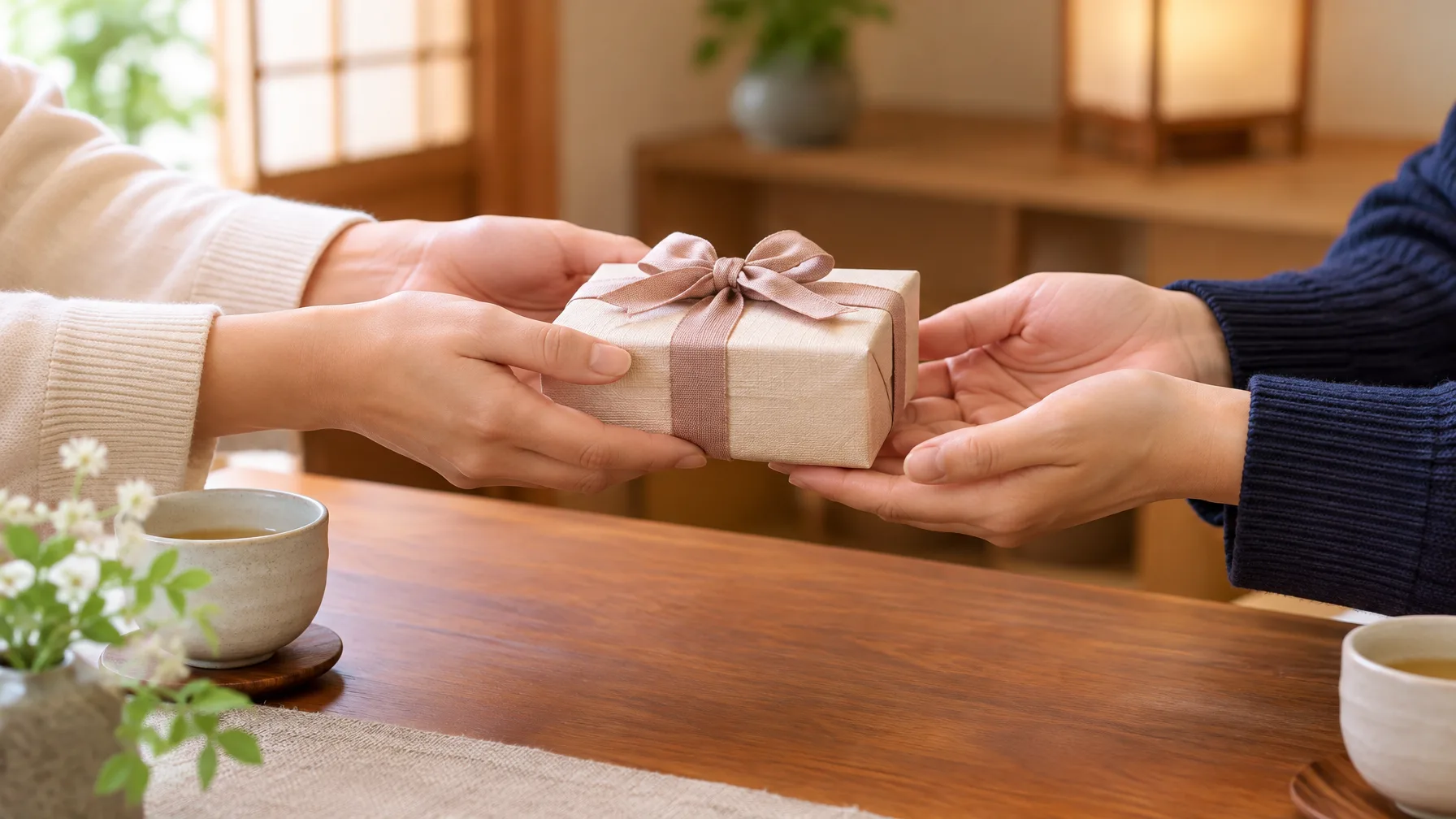
Use two hands when you hand over or receive anything, and never pour your own drink. Take your shoes off before entering a home, and never leave chopsticks standing upright in rice or soup. Upright chopsticks recall funeral rites, and the other three habits are about showing respect. What are some Korean cultural taboos worth worrying about? Mostly those four. Everything else on the long "don't do this" lists is softer than it sounds. These are the Korean culture tips that carry the most weight for a first trip.
Two hands, no self-pouring, shoes off at home, chopsticks never upright
 AI-generated image
If you are asking what is considered rude in Korean culture, start with this short list. It is the core of Korean etiquette for foreigners, and it fits in your pocket.
- Give and receive objects and drinks with both hands.
- Pour for others, especially for elders, and not for yourself.
- Take your shoes off before you step into a home.
- Keep chopsticks from standing upright in rice or soup.
Two more habits come up often: how you point and how you call someone over. Eye contact is a third, and it is the loosest of all. Each gets its own section below, so you can sort what to follow from what to relax.
Both hands and a poured drink are small ways of saying "I respect you"
 AI-generated image
It is a gesture of respect. If you use only one hand, you can rest the other on your elbow or your body, and that works too.
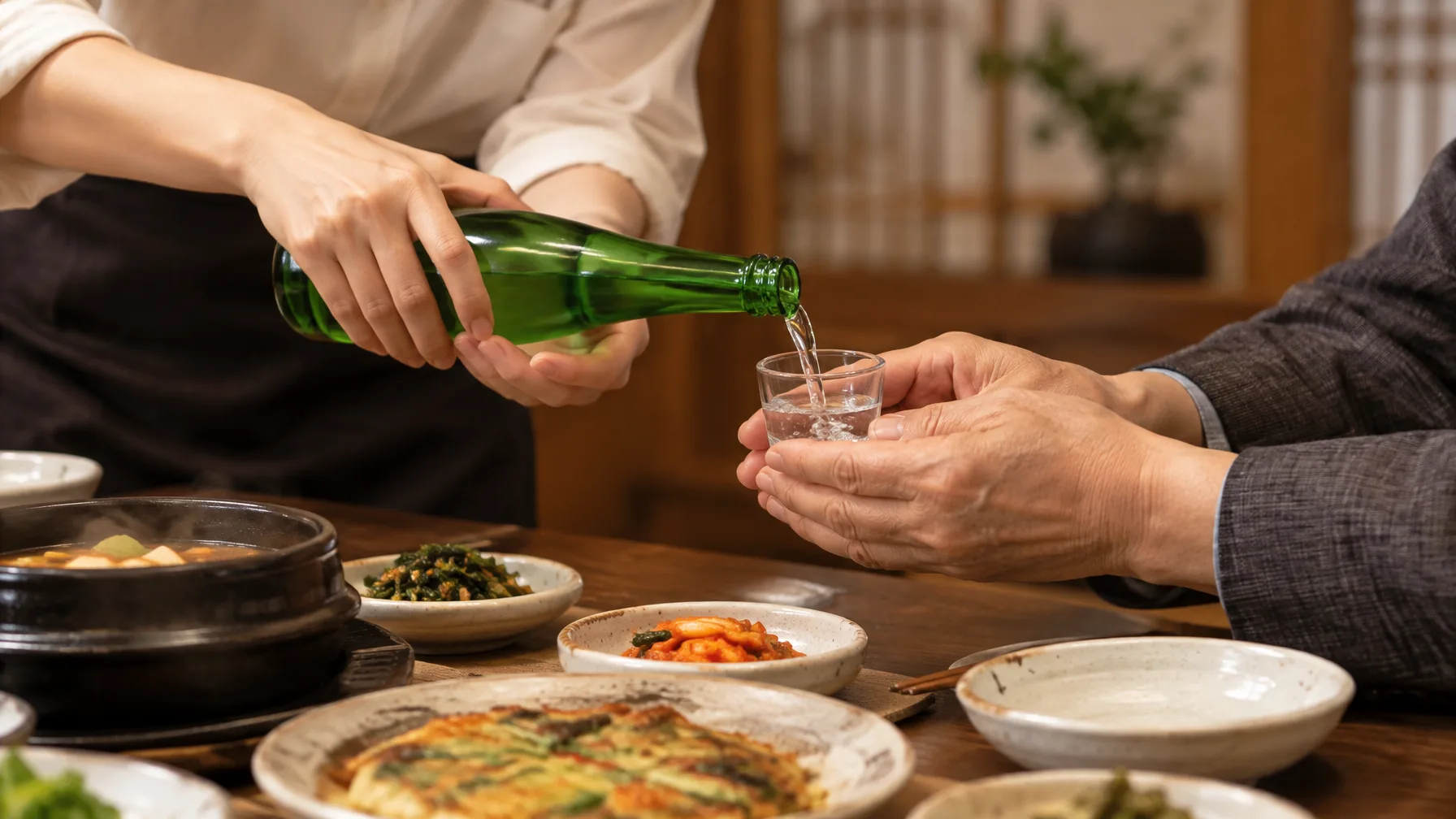
The key rule of Korean drinking etiquette is that you do not pour your own drink. Someone else fills your glass, and you fill theirs. Pour for elders in particular. When a glass is poured for you, take it with both hands.
In practice, this means watching the glasses around the table. You are not only a person being served. You are also the one who notices a glass running low and tops it up for the older person next to you.
Why standing chopsticks look like a funeral offering
 AI-generated image
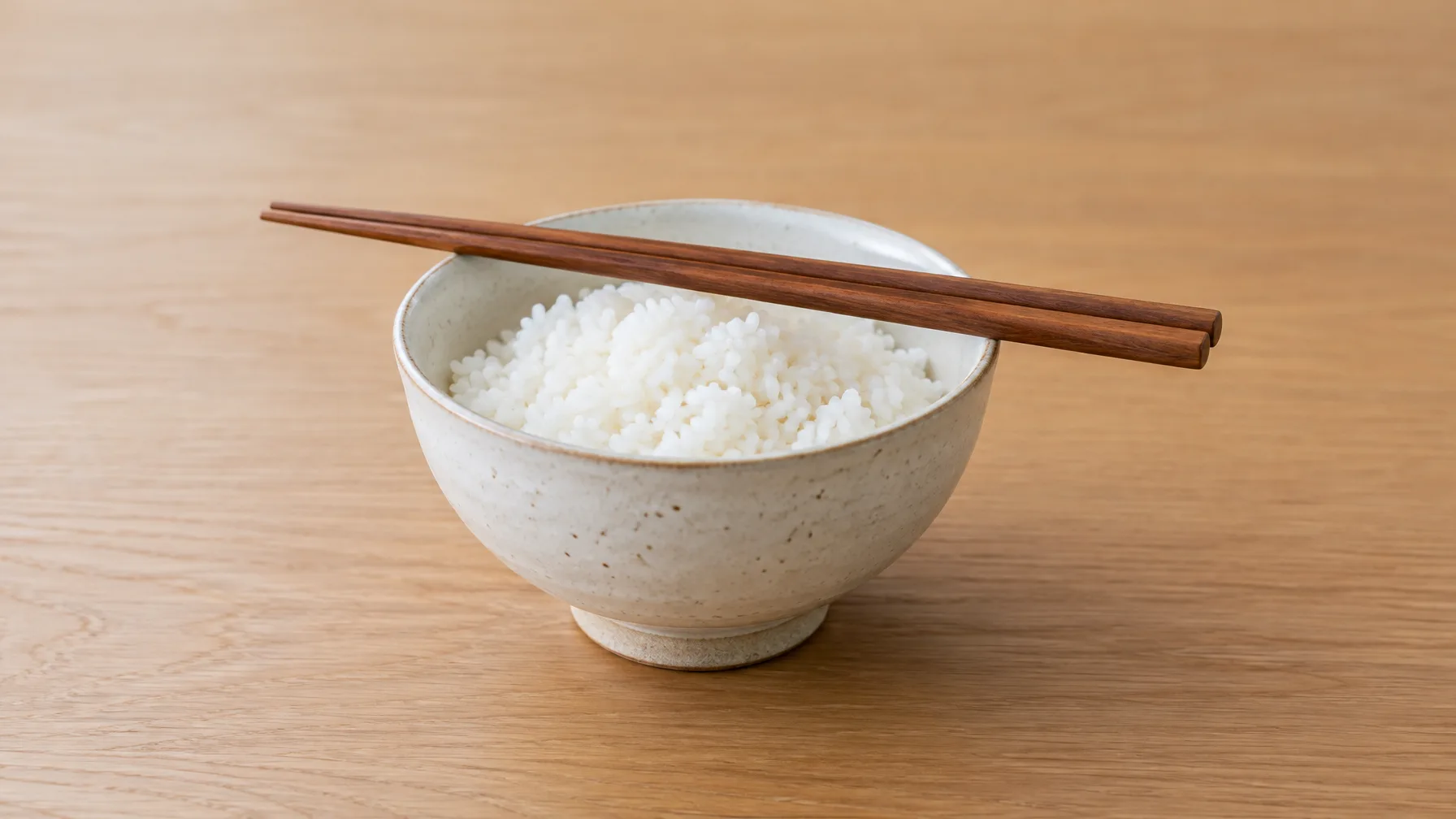
Chopsticks stuck straight up in a bowl of rice, soup or ramen are considered rude. The reason is the funeral. That is how chopsticks are placed during funeral rites, so the sight at a meal feels like a very different occasion.
The fix is easy. When you pause, lay your chopsticks beside the bowl or across it, never planted in the food. If you want more detail, there is a separate guide. Korean Chopstick Etiquette: Never Stand Them in Your Rice
Point with your whole hand and skip the palm-up wave
Pointing with the index finger can offend someone in Korea. People use the middle finger or the whole hand instead. For a visitor, the whole hand is the safer choice, with the fingers together and the gesture soft.
The same care applies when you call someone over. Beckoning with your palm facing up is how you call a dog, so avoid it with people.
Shoes come off at the door of a home, and sometimes at a restaurant
Always remove your shoes when entering someone's home. In Korea this is a strong sign of respect, so do it without being asked.
At a restaurant, you may be asked to take your shoes off as well. That is up to the restaurant, so follow the staff's lead and don't assume either way.
Some rules are bent in daily life, even by Koreans
A list of Korean faux pas can make the country sound stricter than it is. Some customs are not always followed even by Koreans. Koreans also tend to be forgiving when a foreigner slips, so the "taboos to avoid" framing can be overblown.
Eye contact is the clearest case. Looking someone of higher status in the eye can be seen as rude, because it treats them as your equal. In practice, plenty of people keep making eye contact with older people and hear no complaint.
The palm-up wave is similar. Koreans do it themselves too, so an accidental one is nothing to feel guilty about. The upright chopstick rule is also kept less strictly than other customs. Friends, Korean or not, often leave chopsticks wherever they land.
Even the two-hands habit slips. One hand sometimes does the handing over, and people forget with friends. With elders, though, two hands is still the habit to keep. Bare shoulders used to be a worry, but that taboo is fading. Women with bare shoulders are now common even in conservative Daegu.
Pouring works the same way. With Korean friends, people try hard not to fill their own glass, but they occasionally do it without thinking. With non-Korean friends, everyone usually pours for themselves.
A quick "follow it" and "relax a little" checklist
| Habit | How strictly it is kept | What to do |
|---|---|---|
| Two hands for giving and receiving | Follow it | Use both hands, or one hand with the other on your elbow |
| Letting others pour your drink | Follow it | Pour for others, especially elders, and receive with two hands |
| Shoes off at a home | Follow it | Take them off before you step inside |
| Chopsticks in food | Relax a little | Never leave them standing upright, but don't worry over a stray rest |
| Palm-up beckoning | Relax a little | Skip it, and don't agonize if it slips out |
| Eye contact with elders | Relax a little | Keep it gentle and natural |
| Bare shoulders | Fading | Dress for the setting, and don't fret |
The first three rows are respect gestures, and they are worth doing every time. The last rows are customs that are bent in practice. For greetings, see Do Koreans bow when greeting? When a bow makes sense.
Learn four habits first, then treat the rest as courtesy
Learn four habits first. Give and receive something with two hands. Don't pour your own drink. Take your shoes off in someone's home. Never leave chopsticks standing upright in food. Treat the rest as ways of showing respect rather than strict rules, since Koreans themselves don't keep some of these customs strictly.
Comments
No comments yet.