
Famous Food in Seoul: Mandu and Kalguksu at Myeongdong Kyoja
 AI-generated image
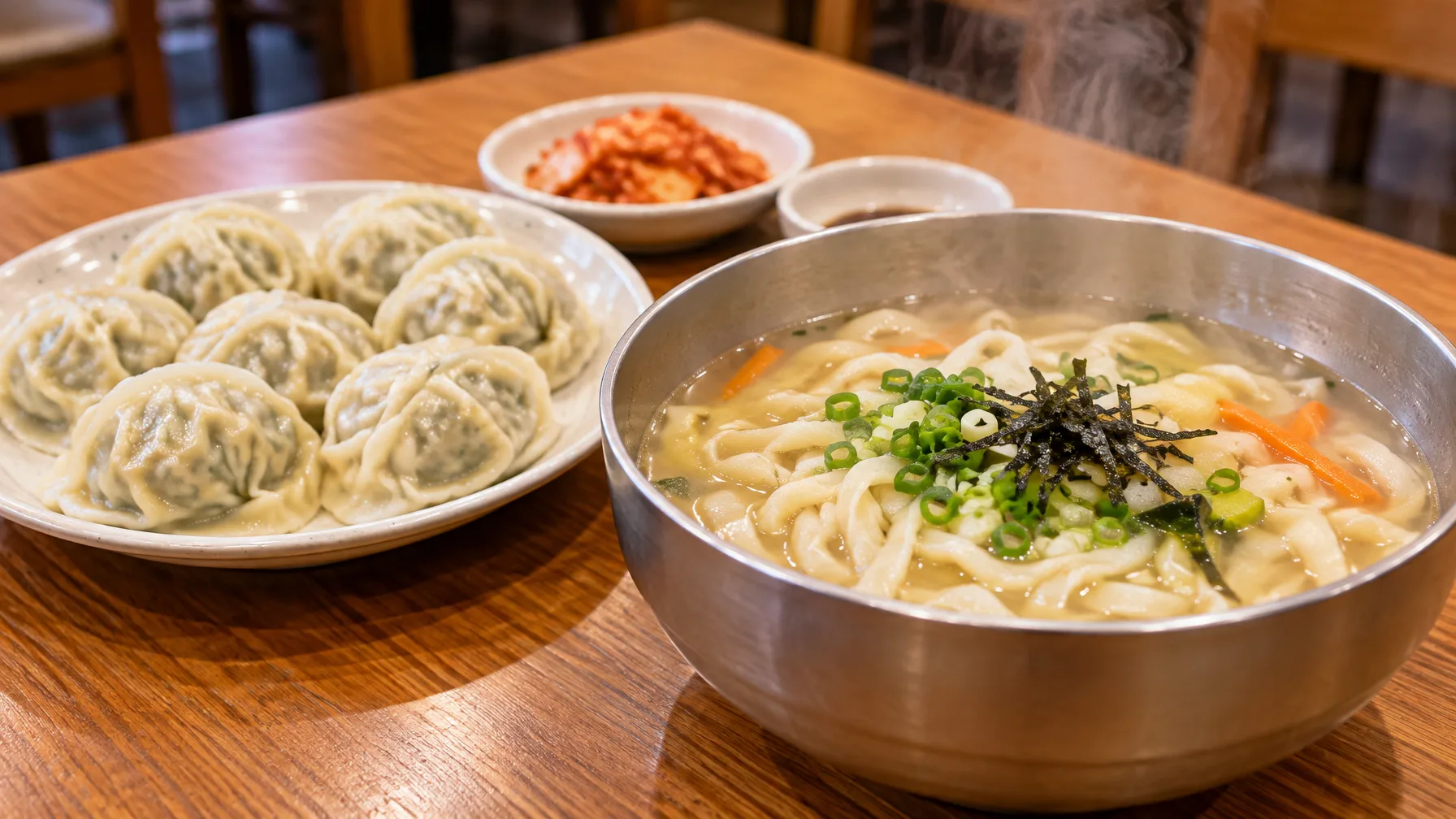
Myeongdong Kyoja is famous for mandu (Korean steamed dumplings) and kalguksu (knife-cut noodle soup). The rest of the city adds ginseng chicken soup, fried chicken, pork barbecue and market snacks, plus one very creamy dessert. This guide ties each dish to a named place and notes the catch to expect, such as walk-in only, long lines or a required drink.
Myeongdong Kyoja is the first stop for mandu and kalguksu
 AI-generated image
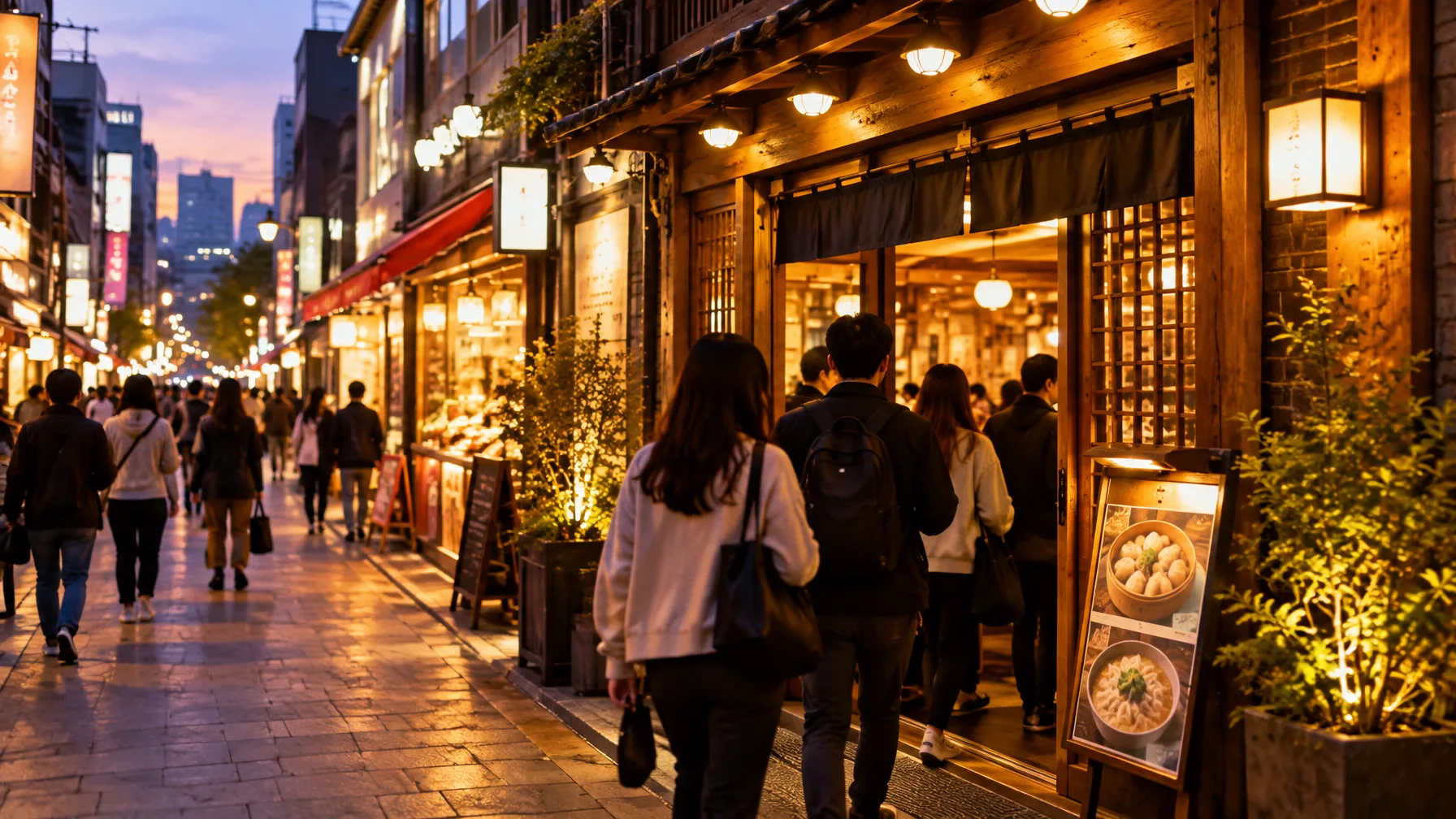
Travelers who sampled dumplings and noodle soup around the city rated the versions at Myeongdong Kyoja the best and found nothing better in either category. Because one table covers both, it makes an easy first meal.
Myeongdong is also a good base for the rest of this list. You can eat a bowl of noodles at Myeongdong Kyoja and then look for street snacks afterward.
Why Seoul's famous meals look different from what you expect
 AI-generated image
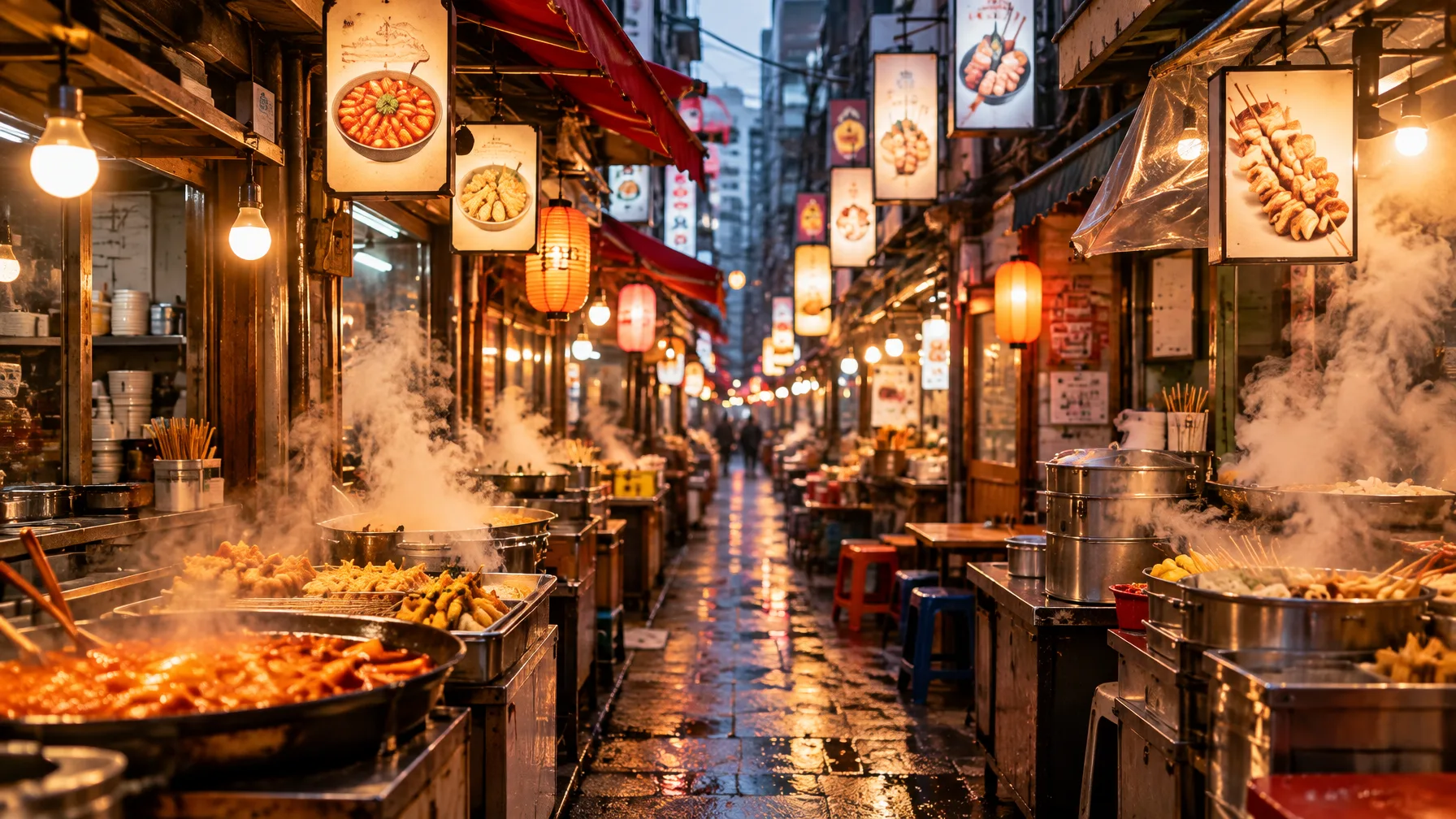
Seoul food isn't one tidy list. Street food is so varied that some frequent visitors rarely sit down in proper restaurants at all. In the food alleys, neighboring shops often share nearly the same menu and prices. In those places the dish matters more than the shop, so pick the dish first.
Fried chicken is a good example of a famous food with a short history. Korean fried chicken is often treated as the face of Korean food, but it only became popular fairly recently. It is famous and delicious, just not an old traditional dish, so think of it as a modern favorite.
Ginseng chicken soup, pork barbecue and fried chicken round out the meals
 AI-generated image
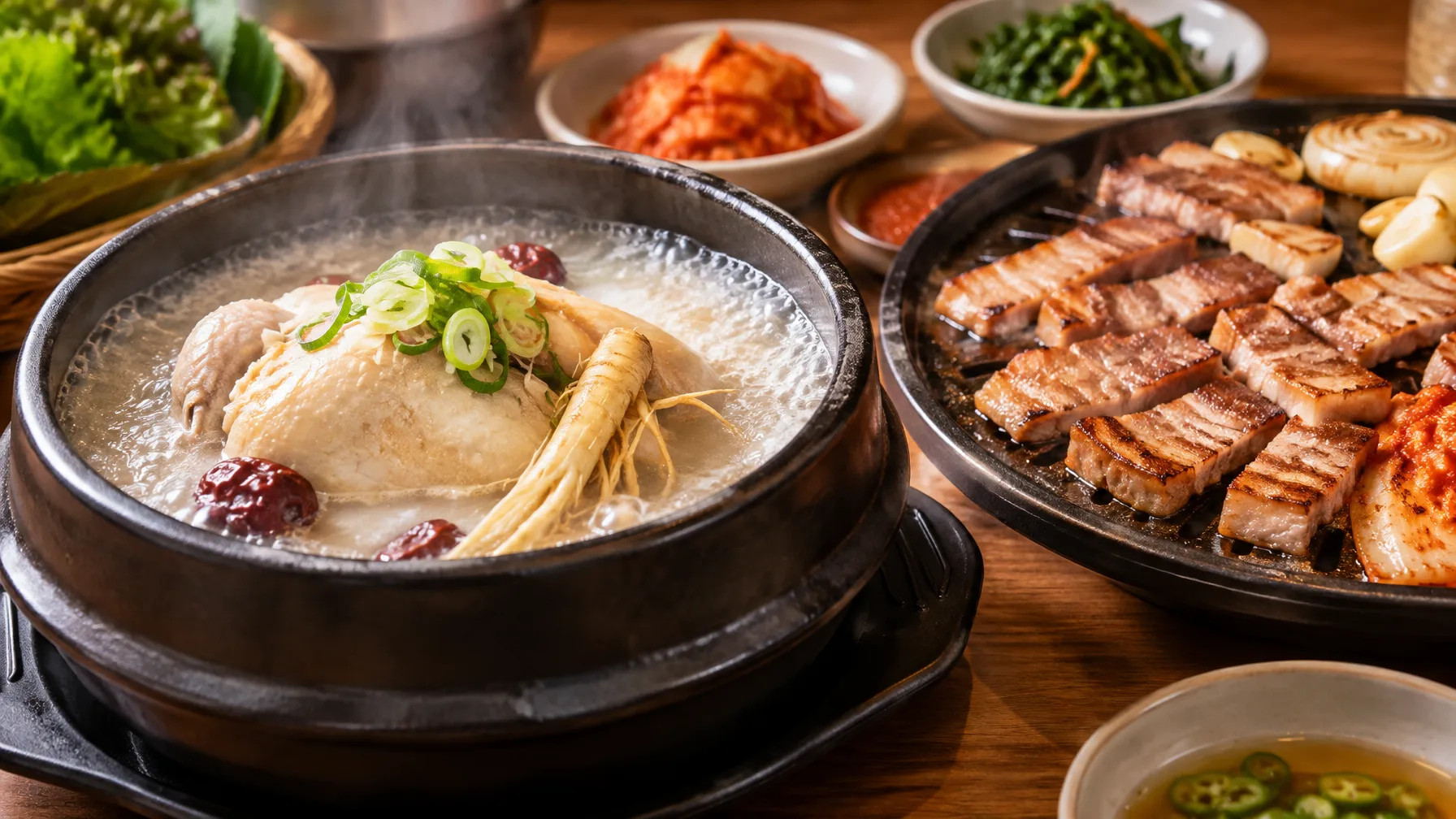
For a soup, go to Tosokchon Samgyetang and order samgyetang, a Korean ginseng chicken soup. The sticky rice inside soaks up the ginseng aroma, which is what makes it so good. A group that arrived at 7:30 in the evening walked in without waiting, so an evening visit can work out.
For barbecue, Geumdwaeji Sikdang (Gold Pig) is a well-known Korean barbecue place with a Michelin Guide Bib Gourmand. It sells pork only. A popular set brings pork neck, cheek and belly with grilled vegetables, kimchi stew and ramyeon (instant noodles).
Fried chicken comes in two styles. Kkanbu Chicken sells classic fried chicken by the piece, and a piece means one whole drumstick or one whole wing. It is hot and crisp with thin skin. Eongteoli Fried Chicken in Itaewon fries its chicken three times and has kept the same recipe for 60 years. It sells whole chickens only, and every guest must order a drink.
What the famous dishes cost, from a 3,000 won cutlet to a shared pork-bone stew
Prices stay friendly for a big city. Six pieces of classic fried chicken at Kkanbu Chicken cost 18,000 KRW, which is enough to share. Gamjatang (spicy pork-bone stew) at Wongdang Gamjatang comes in sizes. The smallest, at 29,000 KRW, still feeds two or three people.
Cheap meals are easy to find too. A hearty plate of dumplings in an Insadong alley ran about $7, and visitors still talk about it. In Hongdae, tonkatsu (fried pork cutlet) was one of the cheapest meals of a Korea trip, and it didn't disappoint. The Samgyetang price and the rest are in the cheat sheet below.
| Dish | Place | Price | The catch |
|---|---|---|---|
| Mandu and kalguksu | Myeongdong Kyoja | Not listed | Your first stop |
| Samgyetang | Tosokchon Samgyetang | About 18,000-20,000 KRW a bowl | Evening walk-in worked without a wait for one group |
| Korean barbecue | Geumdwaeji Sikdang | Not listed | Walk-in only, pork only |
| Fried chicken, 6 pieces | Kkanbu Chicken | 18,000 KRW | A piece is a whole drumstick or wing |
| Whole fried chicken | Eongteoli Fried Chicken, Itaewon | Not listed | Drink required, whole chicken only |
| Gamjatang | Wongdang Gamjatang | 29,000 KRW for the smallest size | Feeds two or three |
| Street snacks | Myeongdong Night Market | Not listed | Tteokbokki, hotteok, tanghulu |
| Bingsu | Sulbing | Not listed | One bowl feeds two |
Street food and market food: four places to graze
Myeongdong Night Market is the easiest start. You can try tteokbokki (chewy rice cakes in a chili sauce) and hotteok (a fried hand pie with a sweet filling). You can also try tanghulu (candied fruit on a stick). Coin-shaped bread filled with mozzarella and sweet custard is another snack to look for. Egg bread is hard to walk past.
Gwangjang Market in Jongno-gu has many tteokbokki stalls and plenty of other street food. It also has a good number of mandu shops. A couple of hours of tasting there gives you the market's signature dishes.
Namdaemun Market has its own food alleys. The kalguksu alley sells only kalguksu. The hotteok stall at Gate 2 is known for a savory version stuffed with vegetables and glass noodles. The galchi jorim (braised cutlassfish) alley is remembered for its atmosphere as much as the food. For more on those lanes, see this guide: Namdaemun Market Food: Guksu Alley and Galchi Alley, Where to Eat
Noryangjin Fish Market is the biggest fish market in Seoul. You buy fish or raw fish on the lower level and carry it upstairs, where it gets cooked for you. Butter-grilled abalone and steamed scallops are the dishes people say not to miss.
Bingsu at Sulbing is the dessert to save room for
Bingsu is a Korean dessert similar to Japanese kakigori. It's usually made from shaved milk rather than shaved ice. The base is creamy, sweeter and milkier than American shaved ice. The classic version puts sweet red beans on top, and summer is when it's most popular.
At Sulbing, order the bingsu, and the black sesame red bean one is the favorite. A bowl is big enough for two people. If you prefer fruit, bingsu piled with fresh strawberries or tall mango is also easy to find in Seoul. It makes a good ending to a long food day.
Famous but skippable: beondegi, hongeo, budae-jjigae and fusion bulgogi
Beondegi (silkworm pupae, a street snack) is avoided mostly for its looks, not its flavor. Even many Koreans are split on it. Hongeo (fermented skate) has such a strong ammonia smell that many Koreans skip it as well. If you want to eat like a first-timer who enjoys the trip, these are fine to leave on the shelf.
Budae-jjigae is a stew of ramen, Spam, sausage, pork belly and baked beans in chili paste. It boils on a gas burner at your table, and you wait about 5 to 10 minutes before eating. The catch is the grease. One critic does not see why anyone still orders it when Korea has so many better stews.
Fusion bulgogi is the last trap. Bulgogi worked into burgers, calzones and burritos looks tempting but can disappoint or sit badly in your stomach. Eat bulgogi the Korean way and save the experiments for another trip.
Lines and walk-ins: who takes reservations and who does not
Popular places can have very long waits. Some travelers missed a hyped meal three times, and once the line held about 5,000 people. That makes timing matter.
Two places set rules you should know before you go. Geumdwaeji Sikdang takes walk-ins only, so you cannot book ahead. At Eongteoli Fried Chicken, every guest must order a drink, and only whole chickens are sold.
Start with dumplings and noodles, then add soup and street snacks
After Myeongdong Kyoja, add samgyetang at Tosokchon Samgyetang (about 18,000-20,000 KRW a bowl). Add street food at Myeongdong Night Market or Gwangjang Market. Save room for bingsu at Sulbing.
Comments
No comments yet.