
Gwangju Kimchi Festival: Free Entry, a Kimchi Market and a Thousand People's Table
 AI-generated image
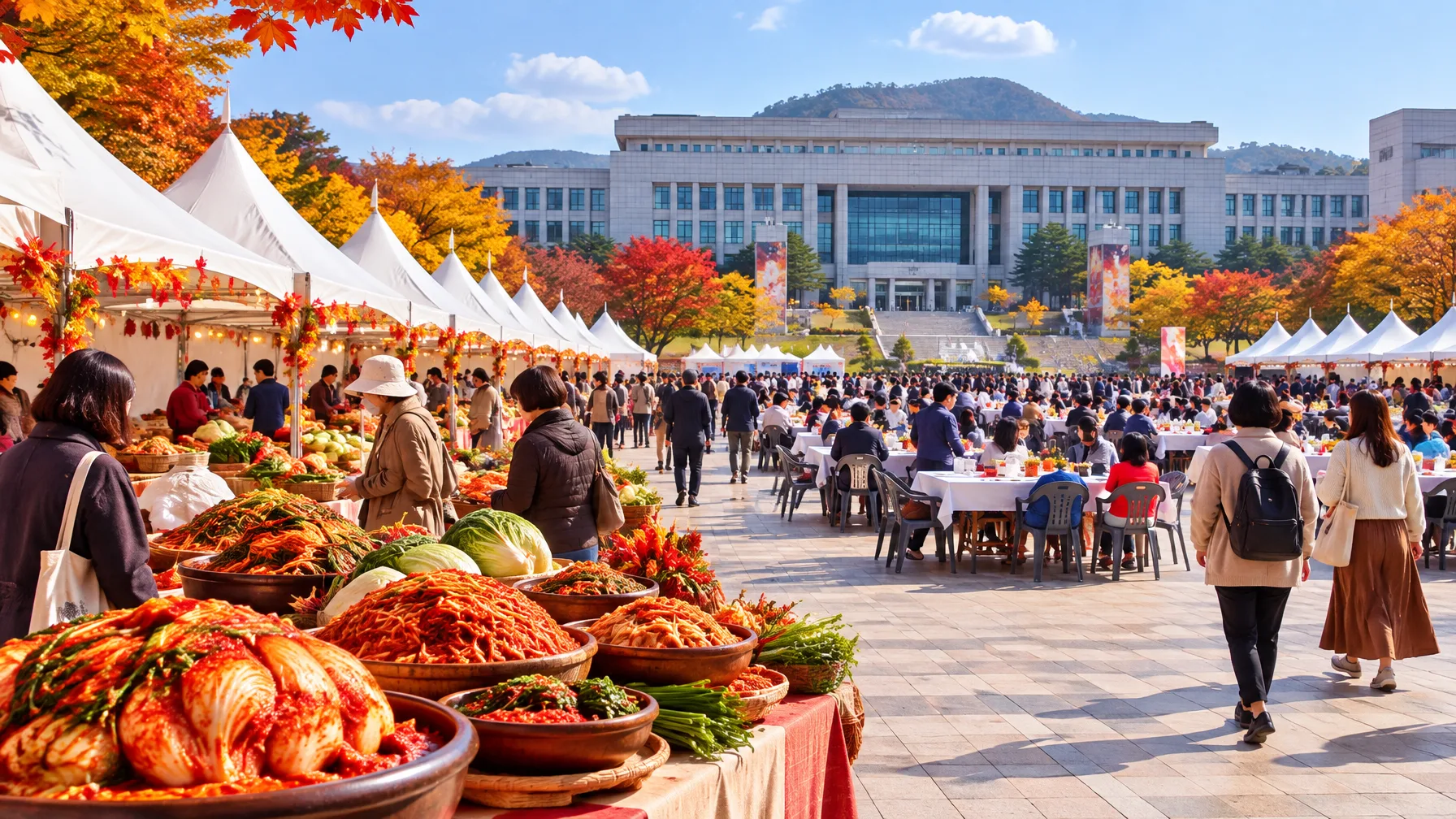
The Gwangju Kimchi Festival runs October 23–25, 2026, from 10:00 to 20:00. It takes place at the Gwangju Government Complex Plaza (111 Naebang-ro, Seo-gu). Admission is free, though some programs charge a fee. The Kimchi Market and the Thousand People's Table are where you eat and buy kimchi. Looking for a kimchi Korea restaurant to build a trip around? If your dates match, skip the restaurant and go to the festival. For any other week of the year, a shop in Busan called Kim & Kimchi is the backup plan.
October 23–25, 2026 in Gwangju: free entry, a Kimchi Market and a Thousand People's Table
 AI-generated image
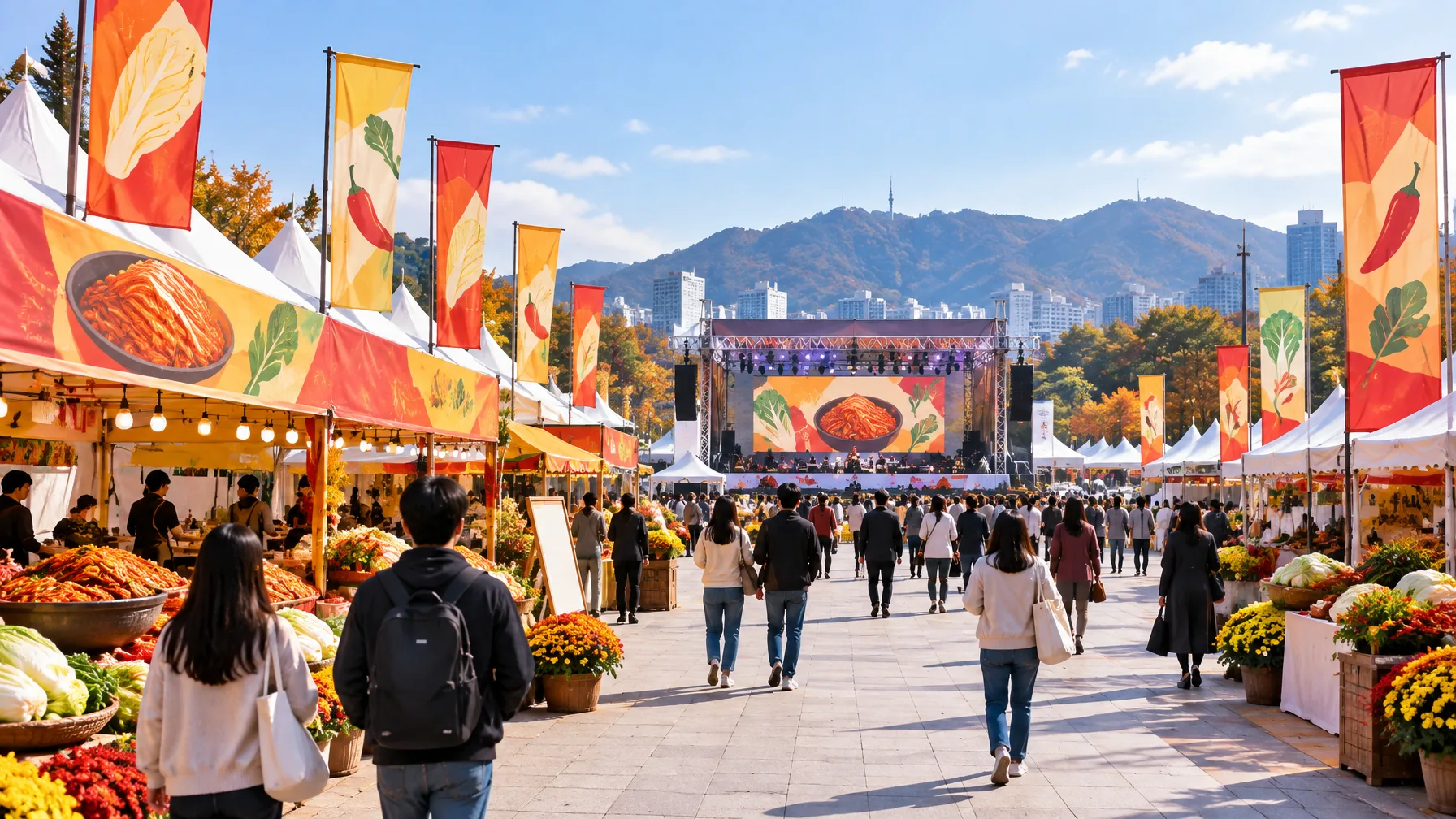
This is the 33rd edition, and it is counted among Korea's leading kimchi festivals. That track record matters if you want to taste kimchi in one trip without guessing which restaurant to pick. Everything is set up around the food, so there is no need to hunt for it.
The festival also ties kimchi to the region's wider food culture, arts and tourism. Local residents take an active part in shaping it. That makes the event Gwangju's own rather than a generic food fair.
Kimchi, Korean style, and the communal ritual called kimjang
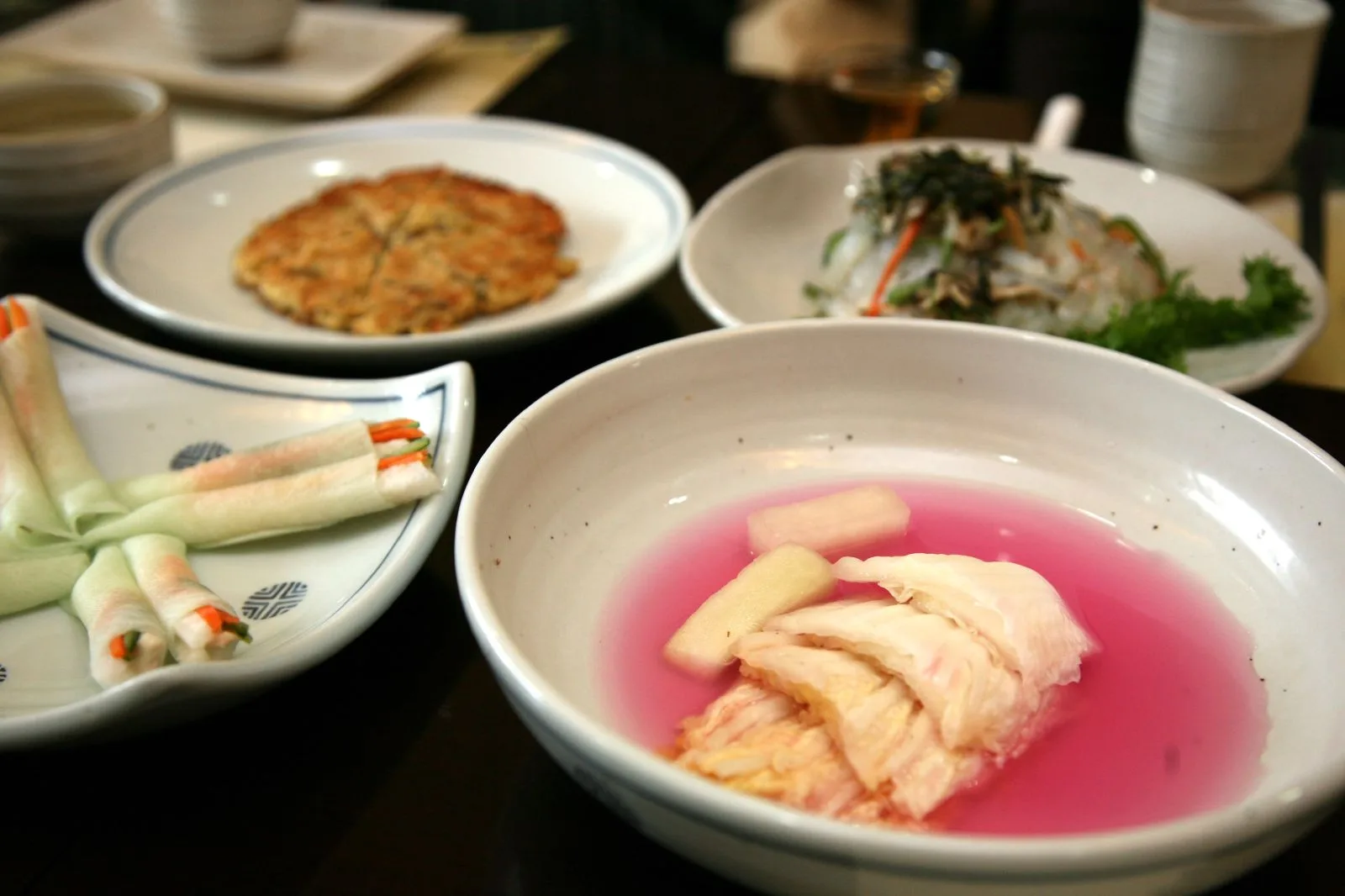 Photo: by Junho Jung at Flickr from South Korea / Wikimedia Commons (CC BY-SA 3.0)
Kimchi is Korea's best-known side dish: seasoned, fermented vegetables, most often cabbage. In Korea it shows up at nearly every meal, so tasting it is less a special event than a daily habit. A festival simply puts the whole range in one place.
Kimjang is the communal making of kimchi, where people prepare it together instead of alone. Gwangju has long worked to preserve the traditions and cultural value of kimchi. The festival shows everything from age-old kimjang to new and creative ways of enjoying kimchi.
Four things to look for: a competition, a kimchi-making class, the market and the big table
 AI-generated image
The program list is short, and each piece does something different. Here is what to look for once you're inside.
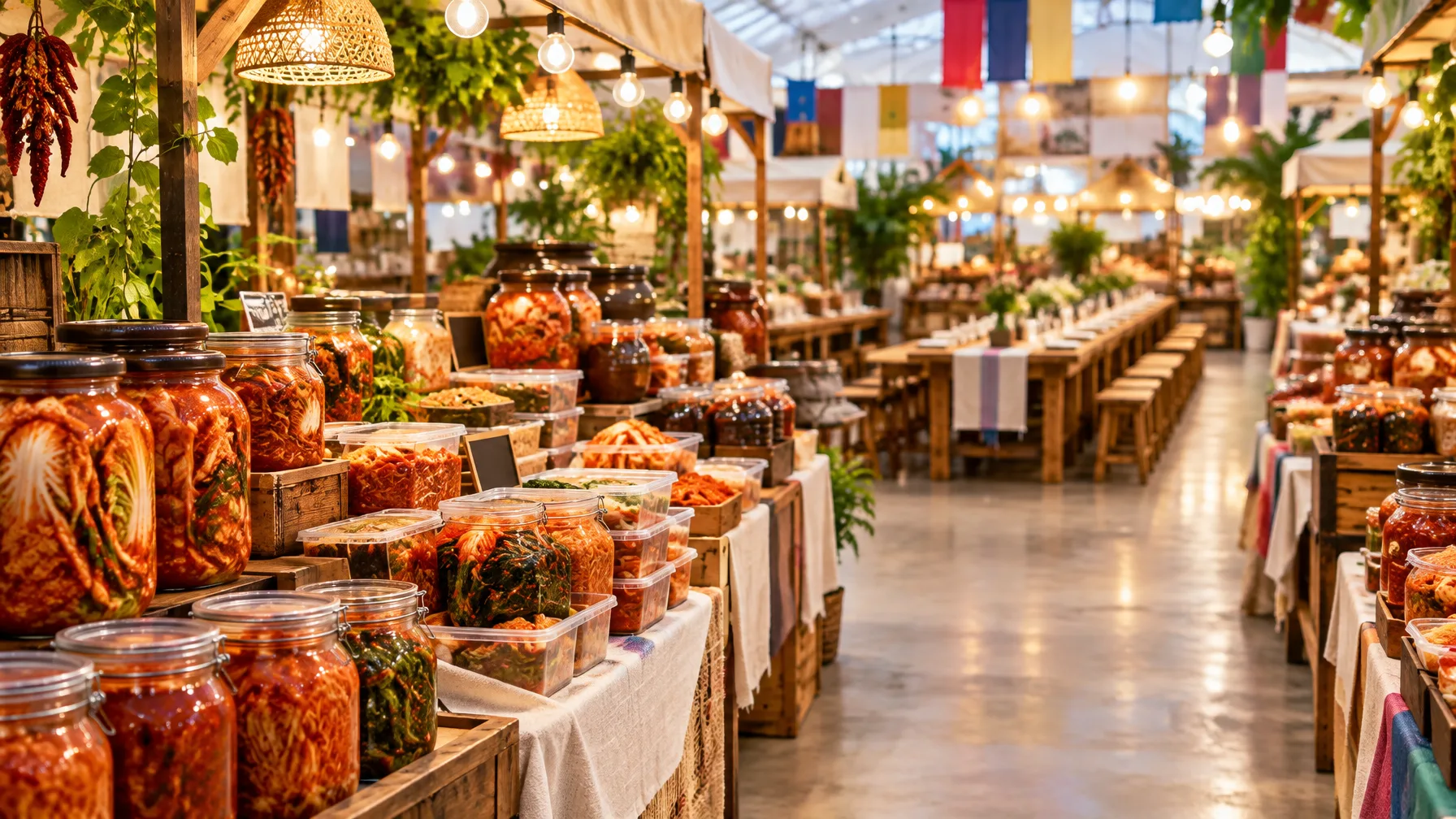
- Korea Kimchi Competition: the contest side of the festival, where kimchi is judged.
- Kimchi-Making Experience: a hands-on way to try kimjang yourself.
- Kimchi Market: the shopping stop, and the place to take kimchi home.
- Thousand People's Table: a big shared meal where you eat alongside cultural performances.
One tip: treat the Thousand People's Table as your sit-down meal and the Kimchi Market as your souvenir run. Eating first and shopping after means you've already tasted what you're about to carry home.
Getting in costs nothing, but programs set their own fees
Walking through is free. That keeps the day easy to budget.
Dates, hours and the venue address in one table
| Item | Gwangju Kimchi Festival | Kim & Kimchi (Busan) |
|---|---|---|
| What it is | Festival with a Kimchi Market and Thousand People's Table | Shop selling food products |
| Dates | October 23–25, 2026 | Open regular days |
| Hours | 10:00–20:00 | 08:00–22:00 |
| Address | 111 Naebang-ro, Seo-gu, Gwangju Government Complex Plaza | 21, Taejong-ro 763beon-gil, Yeongdo-gu, Busan |
| Closed | Not applicable during the festival | Seollal and Chuseok holidays |
The venue is the plaza of the Gwangju Government Complex, in Jeonnam-Gwangju Special Metropolitan City. Save the address as 111 Naebang-ro, Seo-gu, so a taxi driver or map app can find it. The official festival listing is the place to confirm the schedule closer to your trip.
Outside those dates, a Busan shop sells the kimchi
Kim & Kimchi, in Yeongdo-gu, Busan, sells food products and is registered as a Tax Refund Shop. The shop describes itself as a food culture brand centered on the rich taste of traditional Korean kimchi. Its kimchi uses hand-picked domestic ingredients along with secret seasonings.
It closes on only two occasions: Seollal (Lunar New Year's Day) and Chuseok (Korean Thanksgiving Day). On any other day it stays open from morning to late evening, which suits a flexible itinerary.
A few mix-ups that can trip up a kimchi-hungry visitor
Plan it as a place to buy, not a place to eat lunch. Second, a name match doesn't mean Korea: a place called Kimchi Korean Restaurant, for example, is in Columbia, USA.
Taste is the third. Kimchi Americans know from home tends to be strongly sour, which can be an acquired taste. People who dislike sour food may not enjoy it right away. Also, a higher price doesn't guarantee better kimchi. An upscale barbecue place served kimchi that tasted like imported convenience-store kimchi.
In a regular Korean restaurant, banchan are not an endless refill. Banchan are the small side dishes served with a meal. Asking for more can draw a raised eyebrow. Korean restaurants are also not flexible about swapping ingredients, so a menu tweak may not go over well.
Where to point your trip
If your trip lands on October 23–25, 2026, go to the Gwangju Kimchi Festival: entry is free and it's open 10:00–20:00. The Kimchi Market and the Thousand People's Table put kimchi front and center, though some programs charge extra. Whichever one you choose, come hungry and leave a bit of room in your bag for kimchi to take home.
Comments
No comments yet.