
Traditional Korean Festivals: 3-Day Seollal and Chuseok
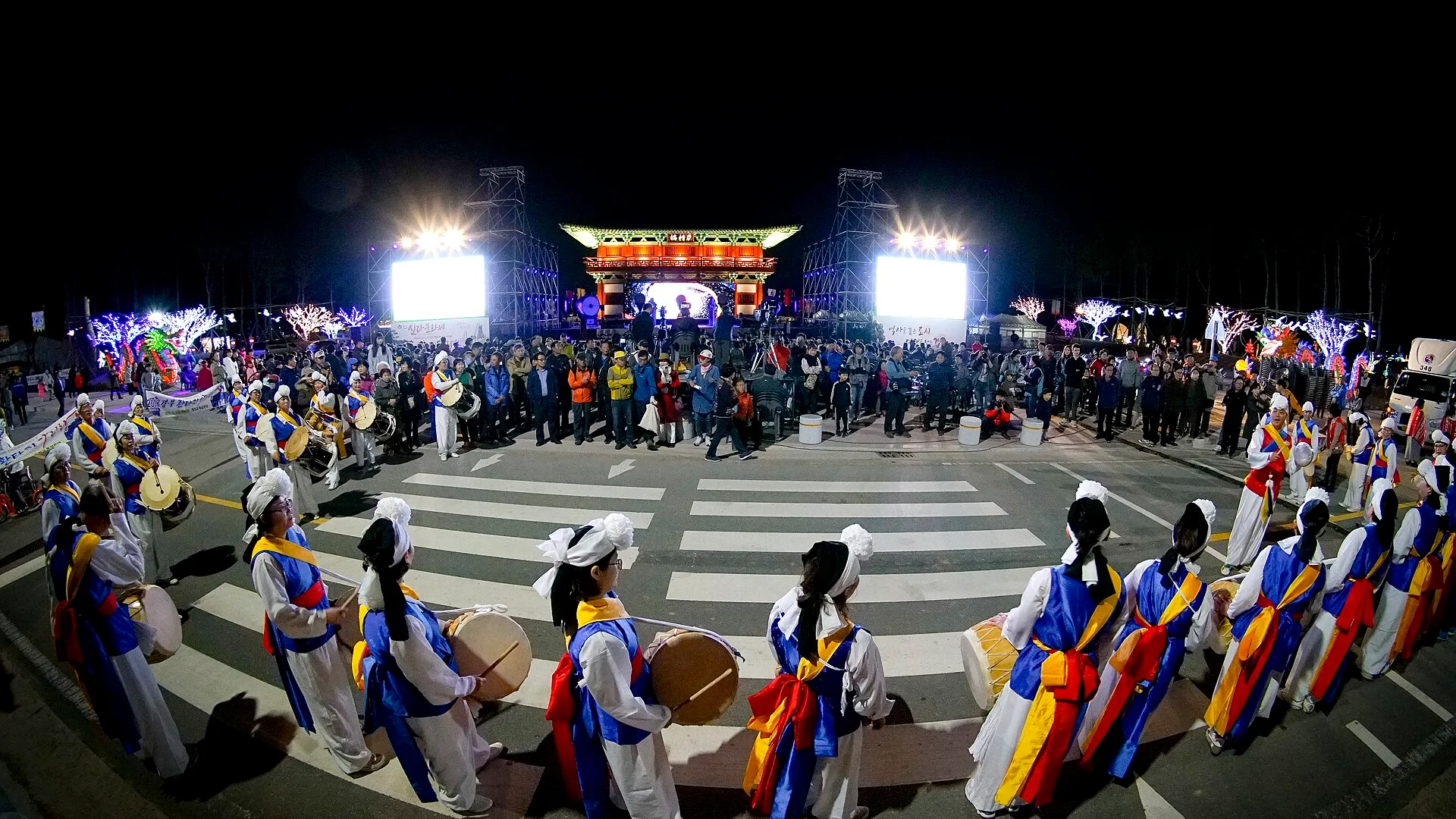 Photo: Ronnie Dayo / Wikimedia Commons (CC BY-SA 4.0)
Seollal is the first day of the lunar year, with tteokguk rice cake soup. Chuseok is the 15th day of the 8th lunar month, with songpyeon rice cakes. Both are Korea's two biggest traditional holidays. Each is a three-day public holiday. If you are new to traditional Korean festivals, start with these two. Then add Dano or one regional festival once the basics make sense.
Seollal and Chuseok: Korea's big three-day pair
 AI-generated image
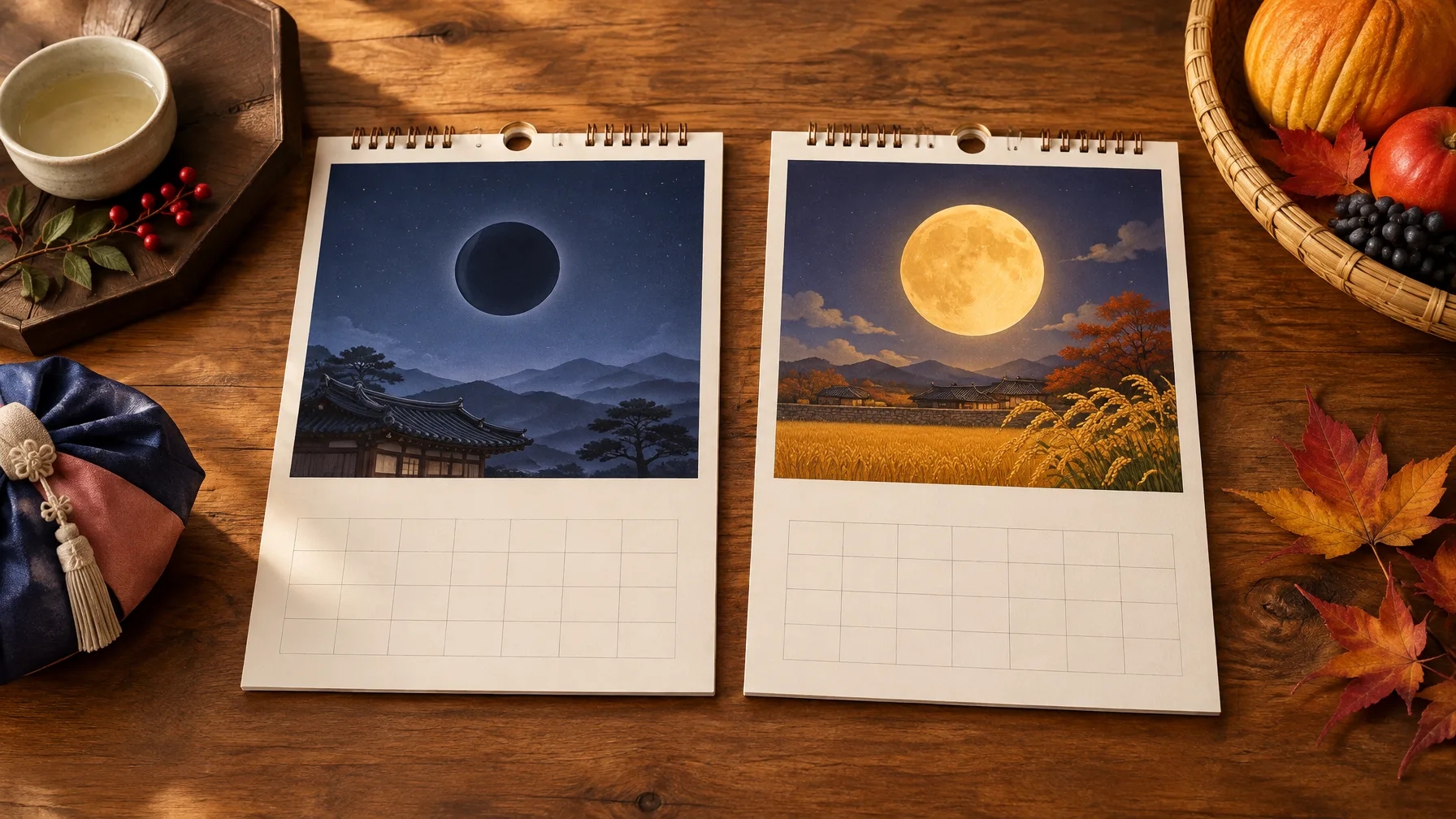
People often ask which one festival stands for South Korea. There is no single answer, but Seollal comes closest. It is the most widely celebrated traditional holiday in the country. Chuseok, sometimes called Korean Thanksgiving, sits right beside it.
Beyond those two, Korea officially holds more than 1,000 festivals a year, many of them tied to their own region. The rest of this guide sorts them by how traditional they really are.
What families do on Seollal and on Chuseok
 AI-generated image
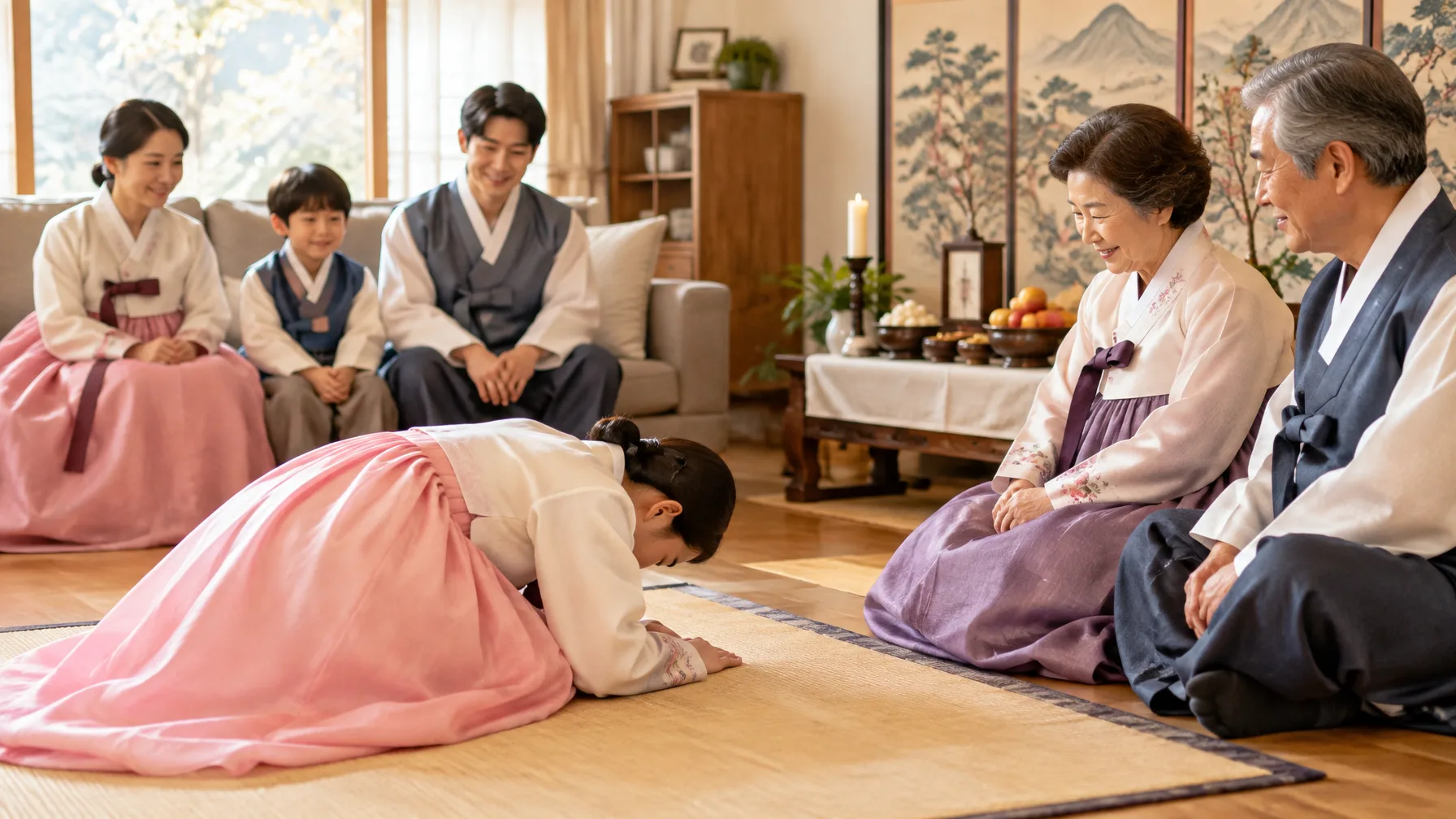
Seollal is a family-first day. Relatives gather, hold an ancestral rite called charye, play traditional games and eat tteokguk. Koreans traditionally say that finishing a bowl of tteokguk makes you one year older.
The other signature custom is sebae, a deep traditional bow that younger family members make to their elders. The elders usually answer with sebaetdon, a gift of money. If you want the bowing and greeting details, there is a longer guide. See What Do Koreans Do in Seollal?.
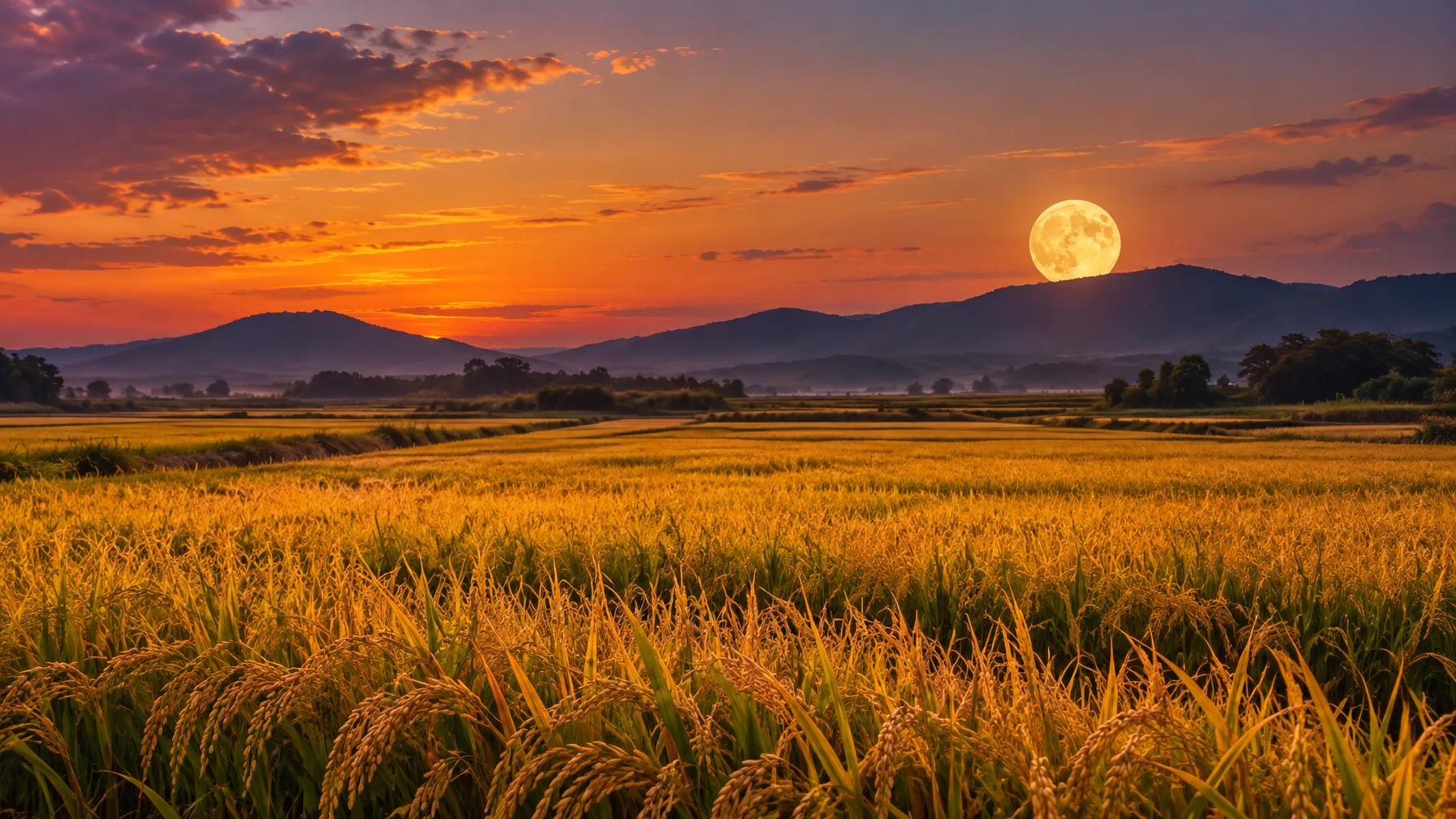
Chuseok is a harvest holiday under the full moon. Families set a table with rice cooked from the new grain, songpyeon and fresh fruit. Then they hold charye to thank their ancestors and nature. They also visit the family graves (seongmyo) and clear the weeds around them (beolcho).
Lighter activities include folk dance, tug-of-war and ssireum, a traditional style of wrestling.
Why these festivals matter: harvest rites that go back centuries
 AI-generated image
Korean festivals rest heavily on ancient rites: Goguryeo held Dongmaeng, Buyeo held Yeonggo and Dongye held Mucheon, all seasonal thanksgiving ceremonies tied to the harvest.
Later layers came on top. Palgwanhoe, a Buddhist ritual, began in the Silla period (57 B.C.–A.D. 935) and carried on in Goryeo as a thanksgiving rite that strengthened ties among the ruling class.
Seollal's rituals are thought to reach back to the 6th century. Nobody knows exactly when people began observing it. Today those old threads survive in widely marked events such as Chuseok and Gangneung Danoje.
The calendar makes sense once you know the roots. These festivals grew out of farming life and the lunar rhythm of the year. Korea stayed mostly agricultural until the middle of the 20th century. Modern city life fits them less neatly, which is partly why the holidays now center on family.
A one-glance Korean festival list by lunar date and food
Every date below follows the lunar calendar, so the matching day on a regular calendar changes each year. This table keeps the three main traditional Korean festivals straight.
| Festival | Lunar date | Signature food | Customary activities |
|---|---|---|---|
| Seollal | First day of the lunar year | Tteokguk (rice cake soup) | Charye, sebae bow, sebaetdon gift, traditional games. |
| Chuseok | 15th day of the 8th lunar month | Songpyeon, rice from new grain | Charye, seongmyo, beolcho, folk dance, tug-of-war, ssireum. |
| Dano | 5th day of the 5th lunar month | Suri-chwi rice cake, mugwort rice cake, aengdu hwachae (cherry punch) | Swinging, ssireum, archery. |
Dano is the summer festival worth adding next
Dano, also called Suritnal, falls on the 5th day of the 5th lunar month. It marks the arrival of summer, and farmers hold rites after planting to pray for a good harvest.
The food is distinctive. People eat suri-chwi rice cake and mugwort rice cake, both herbal, plus aengdu hwachae, a sweet cherry punch. The games include swinging, ssireum and archery.
Three regional festivals worth knowing
UNESCO named it a Masterpiece of the Oral and Intangible Heritage of Humanity, which gives it the strongest credentials of any regional festival on a Korean festival list.
The Jinju Namgang Yudeung Festival is held in the city of Jinju. Lanterns carrying people's wishes drift along the Namgang River. It also commemorates Admiral Yi Sun-sin's victory over the Japanese navy in the Imjin War.
The Andong Mask Dance Festival, held in Andong, features Hahoe mask dance, a traditional masked performance.
Some popular festival lists mix in modern events
Many lists of Korean festivals blend old customs with newer attractions. The Haeundae Sand Festival is a good example. It is filled with sand sculptures, cooking contests, windsurfing and singer performances. Folk dance is just one program among many. That makes it a modern event more than a traditional one.
Jeju's Jeongwol Daeboreum fire festival is similar. Its fire ritual restages old farming customs for today's audience, so it may not match the original practice.
Some old festivals have faded entirely. Meoseumnal, a day tied to the old servant system, ended when the system was abolished, and few people remember it. Hansik is known as a day to eat only cold food, but that rule is mostly ignored today.
So read any festival list in this order: Seollal and Chuseok first, then Dano, then one regional event such as Gangneung Danoje.
Comments
No comments yet.