
Korean Traditions Explained: Two New Years, Hanbok and Gifts
 AI-generated image
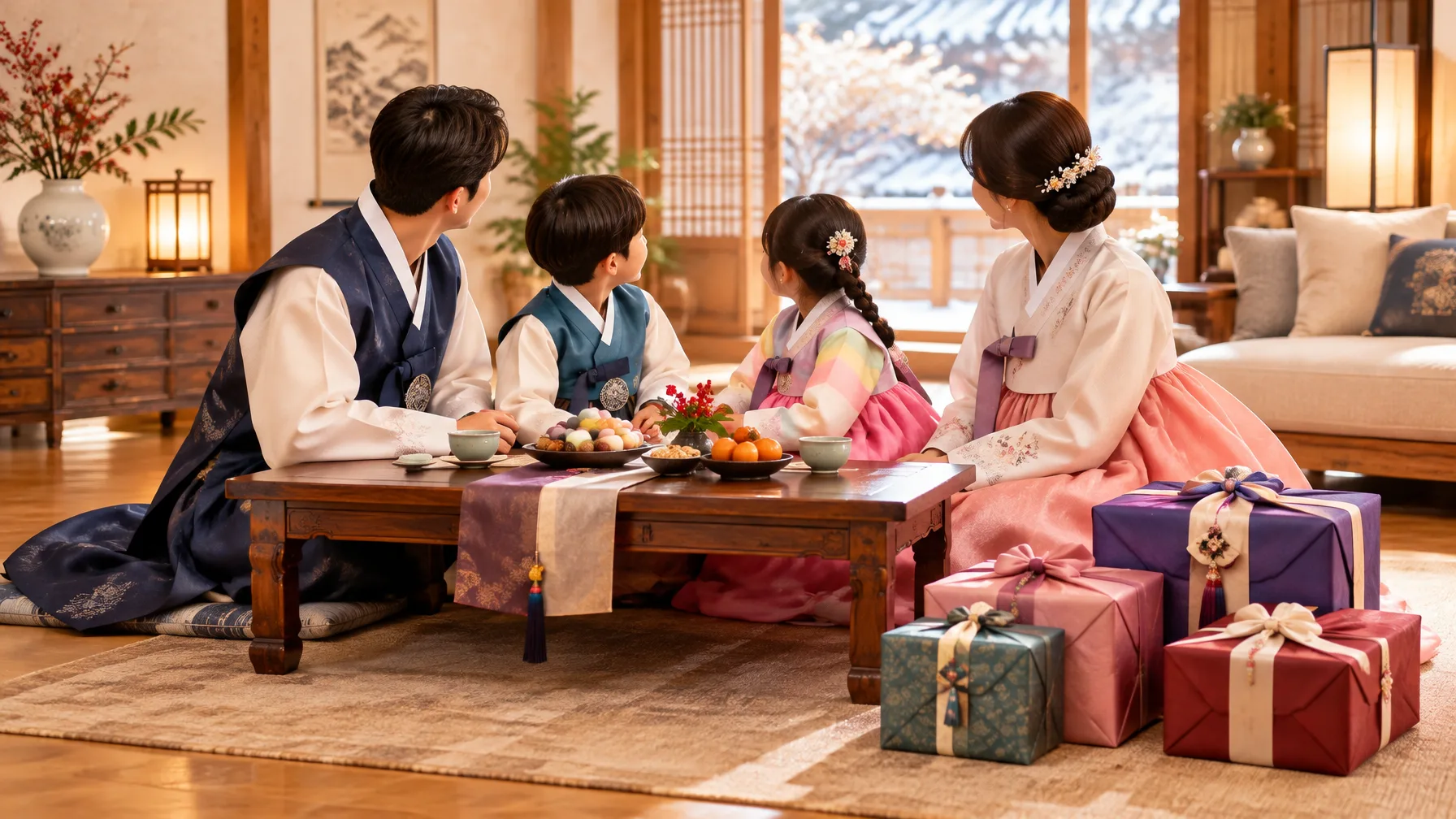
Korean culture is easiest to take in if you start with the calendar. Korea has two New Years, one lunar and one solar. On Seollal (Lunar New Year), people commonly wear hanbok, the traditional Korean clothing, and exchange gifts. After that, a first-timer mostly needs four more things: how to behave at a table, how Koreans count age, why the writing system stands out, and where to see . A newcomer tends to run into them in about that order.
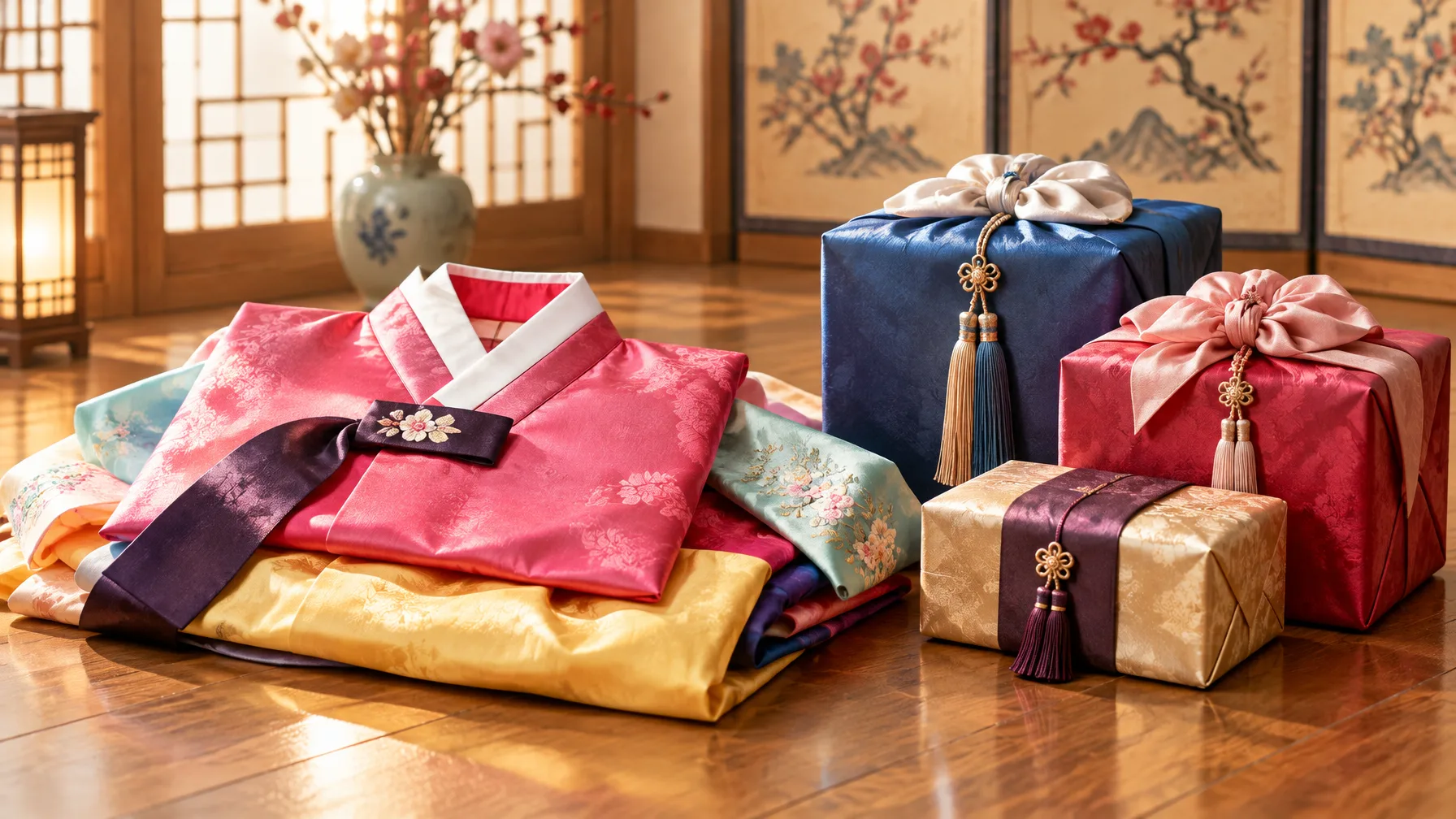
Two New Years, with hanbok and gifts on Seollal
 AI-generated image
Learn Seollal by name. It's the Korean New Year most people mean when they talk about the holiday. Hanbok is what people wear, and gifts are what they exchange. Put those two together and you have a good first picture of how Koreans mark the turn of the year.
Want the holiday itself? What Do Koreans Do in Seollal? A 3-Day Holiday Explained covers how the days play out. Want the clothing? What Are the Rules for Wearing a Hanbok? What Counts explains what qualifies as hanbok.
Rest your chopsticks beside the bowl and wait for the eldest
 AI-generated image
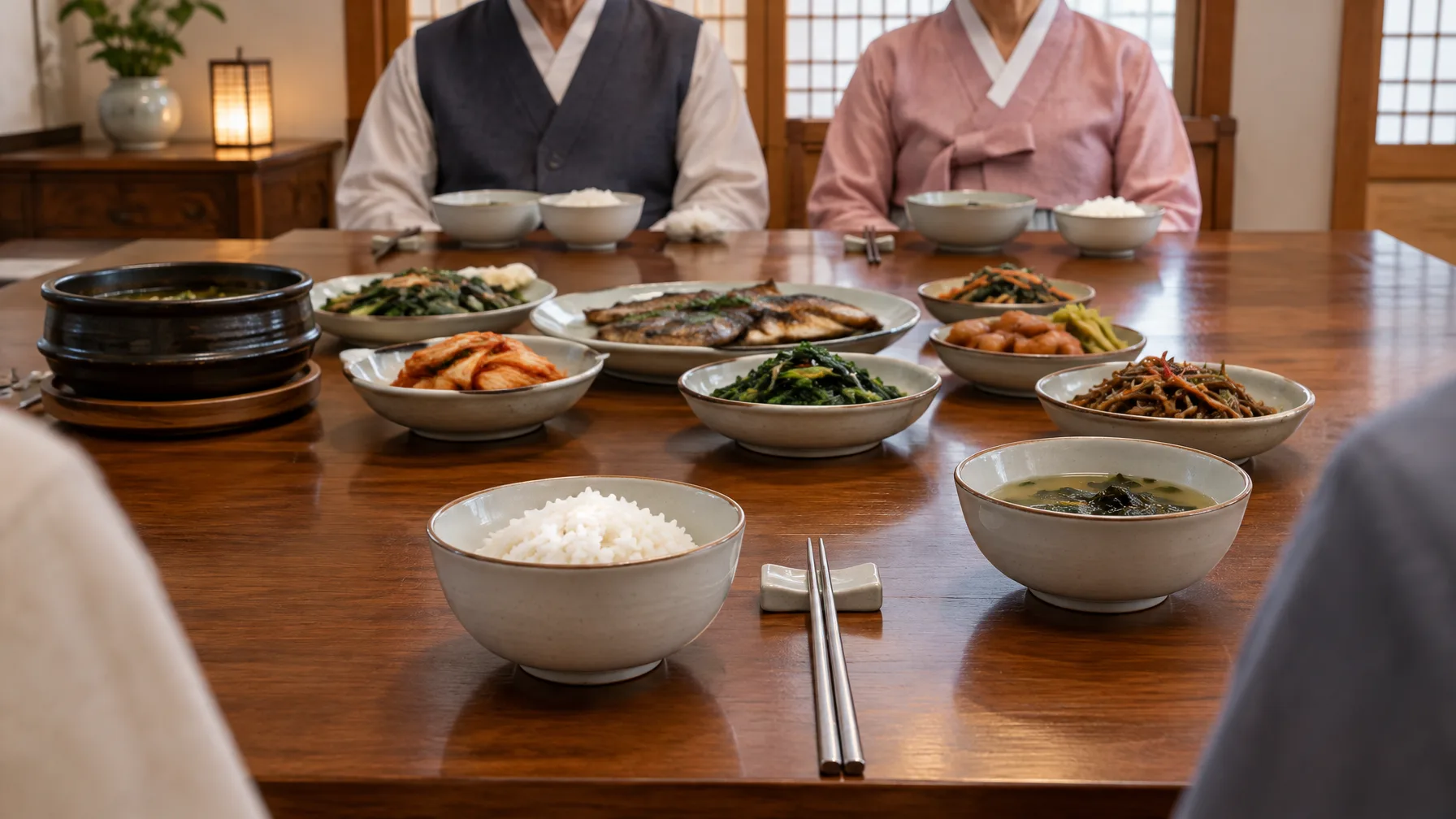
Korean etiquette is easiest to learn at a meal, since that is where you will use it first. Chopsticks are for nearly everything you eat. Soup is the exception. The rules are short, and they are the ones a first-timer is most likely to break by accident.
- Use chopsticks for everything except soup.
- When you are not using them, lay them beside your bowl or plate, not on top of it or inside it.
- Let the eldest person at the table start eating first.
The third rule comes first in practice. Sit, wait, and watch who picks up their chopsticks first. Once the eldest has started, everything else at the table is easier to copy.
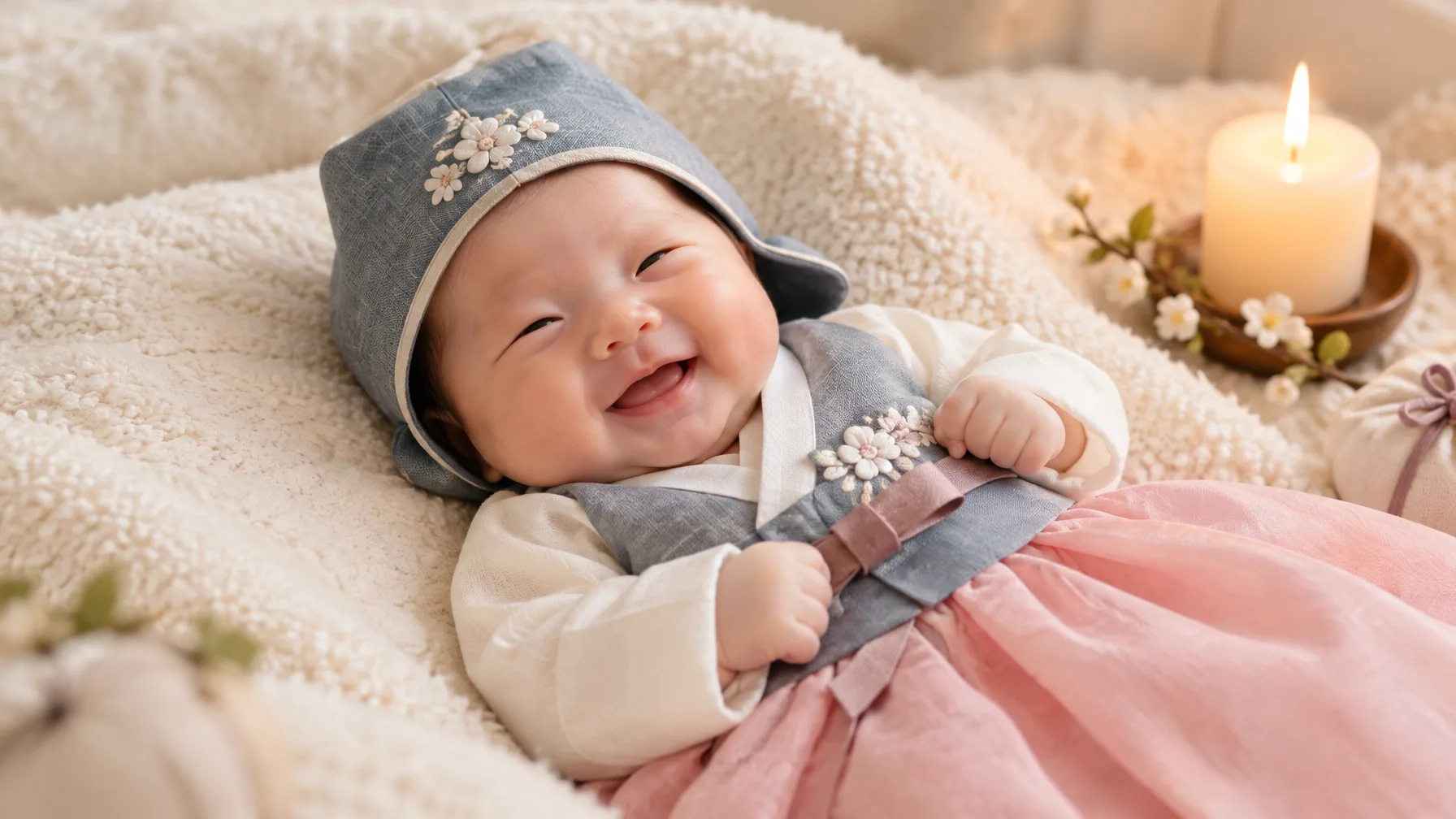
A newborn already counts as one year old
 AI-generated image
The common mistake is to assume a Korean person's age works like an American one. Koreans count a baby as one at birth. Americans start from zero, so the Korean number runs at least a year ahead of what you would expect.
That's worth knowing before you hear someone give their age and do the math in your head. The two systems start from different places, so the gap isn't a mistake on anyone's part.
Hangul was designed by King Sejong in 1446
King Sejong created it in 1446. It's a featural writing system. That means the letter shapes are modeled on how the mouth, teeth and tongue move when you say the sounds.
That's the part a beginner can use. The letters aren't arbitrary symbols, so the shape of a letter hints at the sound it makes.
Dolmens at Ganghwa, Hwasun and Gochang
Roughly half the world's dolmens, some 40,000 of them, sit on the Korean Peninsula. In 2000, UNESCO added the sites at Ganghwa, Hwasun and Gochang to its World Heritage list.
Dolmens come in two main shapes. The table type turns up mostly in the north of the peninsula.
Comments
No comments yet.