
Easy Hikes in Seoul: Is Achasan–Yongmasan Beginner-Friendly?
 AI-generated image
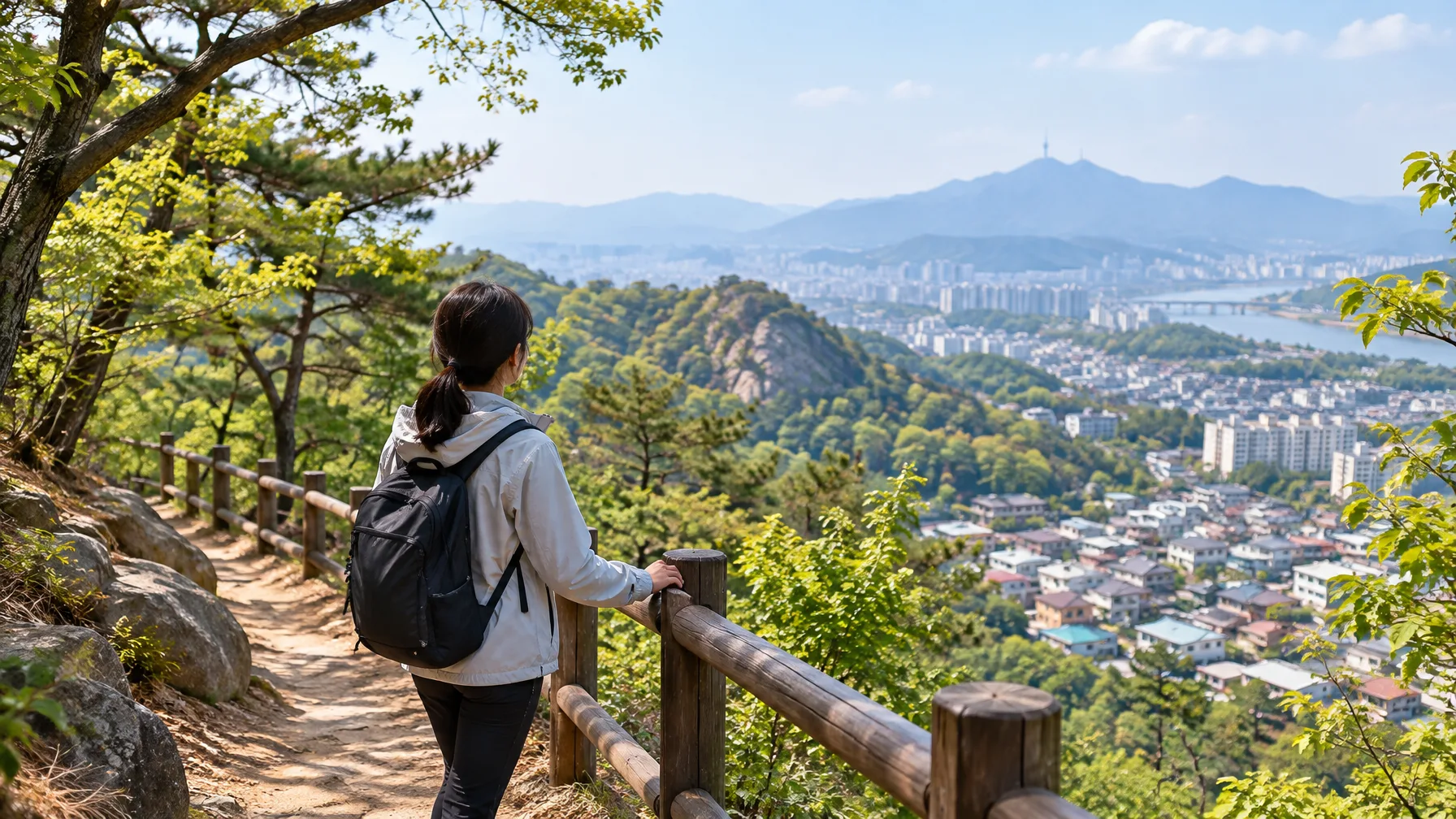
Achasan–Yongmasan is the easiest hike in Seoul, rated Easy
 AI-generated image
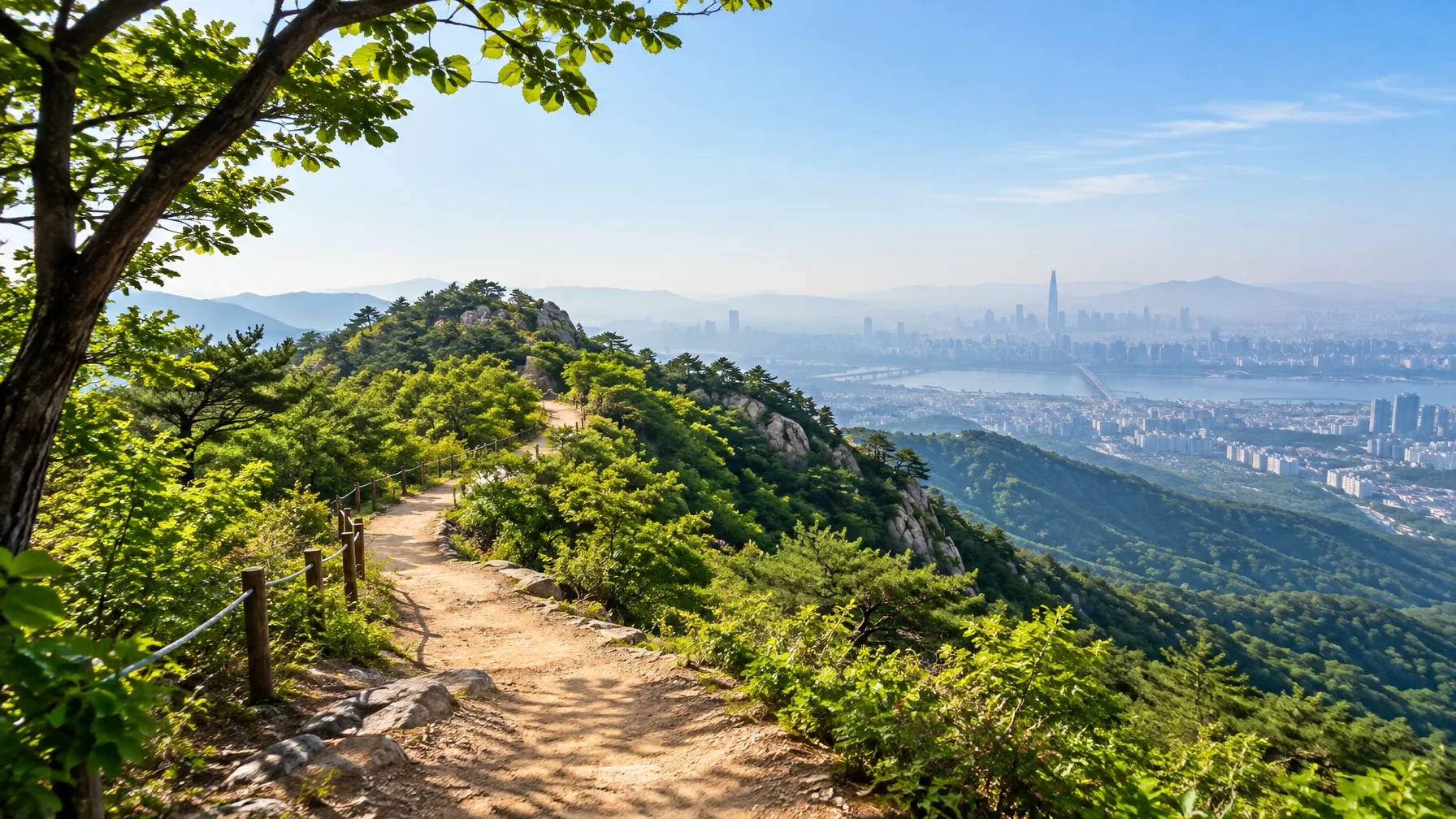
The Achasan–Yongmasan ridge is the easiest hike in Seoul: 5–7 km with 330–600 m of elevation gain, rated Easy. The sections below cover what to wear, when to start, and how to get there.
Why most Seoul trails catch first-timers off guard
 AI-generated image
Some Seoul courses suit beginners. Many don't. Distances look friendly, but the climbing and the terrain are what surprise people. Among seven well-known Seoul routes, only one gets an easy rating. The rest range from moderate-to-hard to hard. So many of the best hikes in Seoul are really for people with some experience.
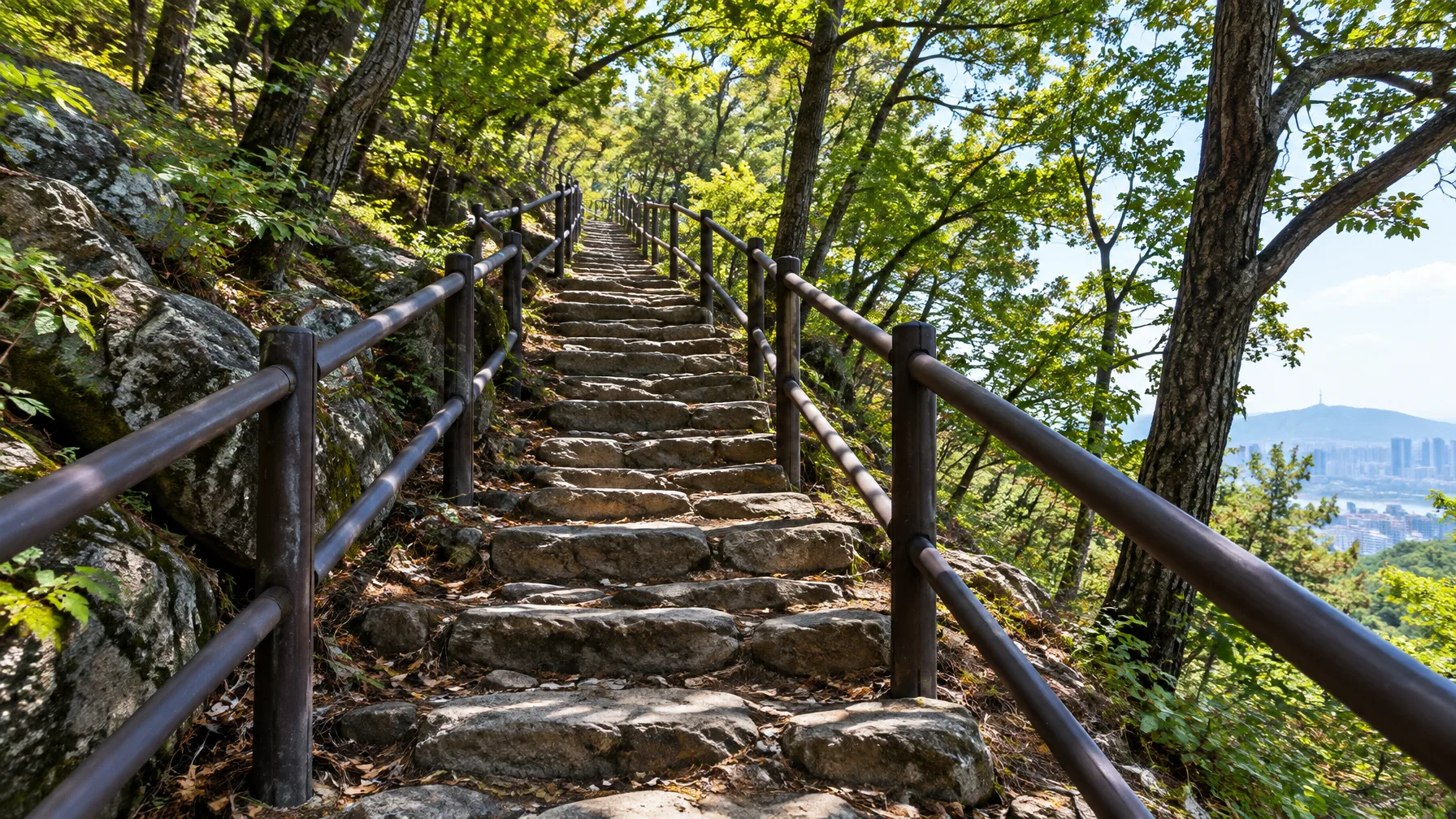
Stairs are the hidden cost. On steep, stair-heavy trails your pace drops hard. On many Seoul hikes, even experienced mountain runners end up walking most of the route. Hiking in Korea often means long staircases and sharp grades, even a short subway ride from downtown. Courses rated Hard are meant for strong fitness and trail experience, so they are not a first-day plan.
That is the case for picking the ridge first. Choosing the course with care is what keeps a first hike on the pleasant side of tiring.
Shoes with real grip matter more than any other gear
 AI-generated image
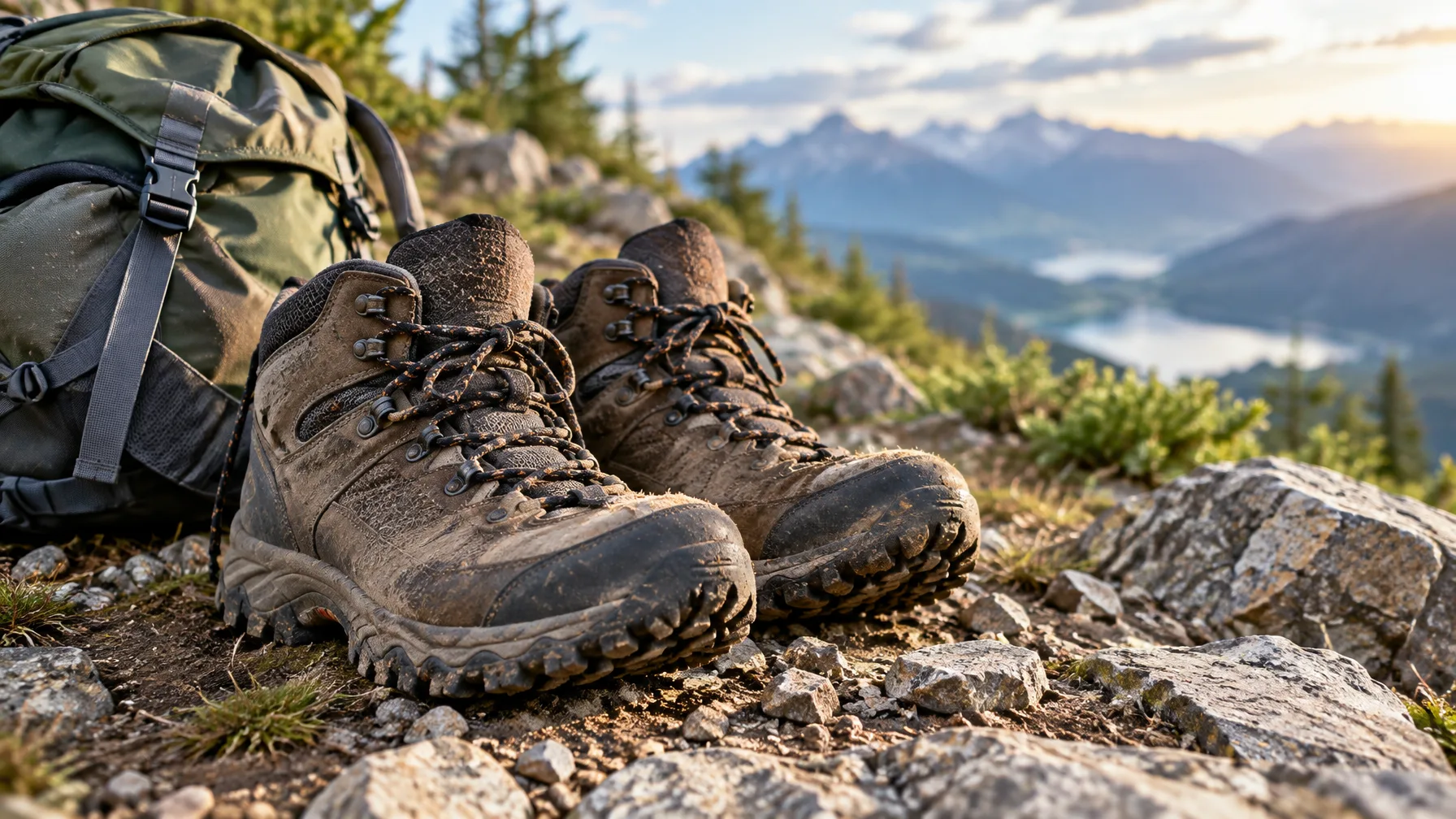
Sneakers can get you up a trail, but they lack grip and support on loose or steep ground. Hiking boots are the safe choice. If you don't own boots, wear shoes with solid traction and a stiff, supportive sole. This is the one purchase worth making before you go.
Weather swings with the season, so dress for the month you are going. In summer, mosquitoes can be fierce, so pack repellent. In winter, snow and ice build up near the summits and call for extra preparation. A first-timer is better off skipping winter altogether.
One more thing about the route itself. Yongmasan is the higher end of the ridge and has plenty of stairs. The way down can be steep and tiring. Look at your descent options before you start so you aren't choosing a path with tired legs.
If you want a different mountain: Bukhansan, Inwangsan, Bugaksan, Namsan
Bukhansan, Inwangsan and Bugaksan are the mountains most often pointed out inside Seoul. Namsan and Inwangsan also come up as gentler alternatives. The table below shows what to expect on each, and it also covers a few other names that tempt first-timers.
| Mountain | What a first-timer should know |
|---|---|
| Bukhansan (Baegundae) | Very crowded on weekends, so it is a poor fit if you want a quiet walk |
| Gwanaksan | Not high, but hard work; difficulty varies a lot by course, and weekends are packed |
| Cheonggyesan | Endless stairs and steep sections that can wear out a beginner |
| Namsan and Inwangsan | Easy alternatives, but short, and they don't feel like a full mountain hike |
| Bugaksan | One of the main Seoul mountains with its own mountain center |
Gwanaksan deserves a warning. The stretch past the rest area can be too hard for hikers at a beginner's level. Plans for hiking Seoul Bukhansan routes work better once you have a few easier climbs behind you.
Spring and fall are comfortable, and morning is the time to start
If you can choose, go in spring or fall, the comfortable seasons to hike around Seoul. You can go in summer, but the heat and humidity wear you down, so an early start becomes essential. Spring brings its own risk, since thick yellow dust can wipe out a hike entirely, so don't lock in the date.
Weekends bring crowds, especially on Baegundae and Gwanaksan. Start early and you get the trail before most people do. You also leave yourself a buffer for slow stretches.
There is a hard deadline too. You don't need a permit to enter the mountains. But rangers turn back late climbers at 4pm in winter and 5pm the rest of the year. After rockfall or a landslide, sections of trail can close. The trails have no lighting, and dark slopes are dangerous, so plan to be off the mountain before dark.
Getting to the trailhead, and where to rent gear
Public transit reaches the trailheads, though the trip is sometimes awkward. For directions, KakaoMap works best for transit routes, trailhead locations and general walking navigation. A local KT eSIM provides mobile data, so the map keeps working when you need it most. Type in the trailhead before you leave and save the route.
No boots? Hiking centers offer gear rental and hiking information, and foreign visitors can use the rental service. They also have coin lockers and a visitor lounge, which helps if you are carrying luggage. The Gwanaksan center sits inside Gwanaksan Station, basement level 1, at 23 Sillim-ro, Gwanak-gu.
A pre-hike checklist for your first Seoul trail
- Pick the season: spring or fall, and check for yellow dust in spring.
- Choose the Achasan–Yongmasan ridge before any other Seoul trail.
- Set your start time for the morning, earlier on weekends.
- Choose supportive shoes; rent boots if you need them.
- Pack repellent in summer; skip winter, when snow and ice sit near the summits.
- Save the trailhead in KakaoMap and keep your data on.
- Look up your route down before you climb, since Yongmasan's descent can be steep.
- Be off the mountain before dark; rangers turn back late climbers at 4pm in winter and 5pm otherwise.
Short on the map does not mean gentle underfoot
The biggest mistake is judging a hike by its distance. Seoul's paths often look short and then climb steeply, with stairs that eat your energy. Even the one Easy-rated ridge asks for proper shoes and a sensible start.
- Assuming any Seoul mountain is a casual walk; many are rated moderate or hard.
- Heading out in flat sneakers when the trail needs grip and support.
- Starting after lunch, then getting stopped by rangers or caught by darkness.
- Choosing Baegundae or Gwanaksan on a weekend and expecting quiet.
- Ignoring trail closures after rockfall or landslides.
- Picking a Hard-rated course because the mountain looks small.
Don't expect the ridge to be a stroll with no effort, either. It is the easiest option in the city, not a flat park path. Plan for stairs, steady climbing and some tired legs.
Who to call and where to read more before you go
Mountain centers answer questions by phone Monday to Friday, 09:00 to 18:00. The Bukhansan center is at 1533-2608, Bugaksan at 1533-2158 and Gwanaksan at 1533-2462. Call them about gear and trail conditions on those mountains.
Start on the ridge, go early, be down before dark
Start with the Achasan–Yongmasan ridge, rated Easy at 5–7 km. Go in spring or fall, set out early, and plan to be off the mountain well before dark.
Comments
No comments yet.