
Is Korean Food Healthy? Mostly Yes, Once You Watch the Sodium
 AI-generated image
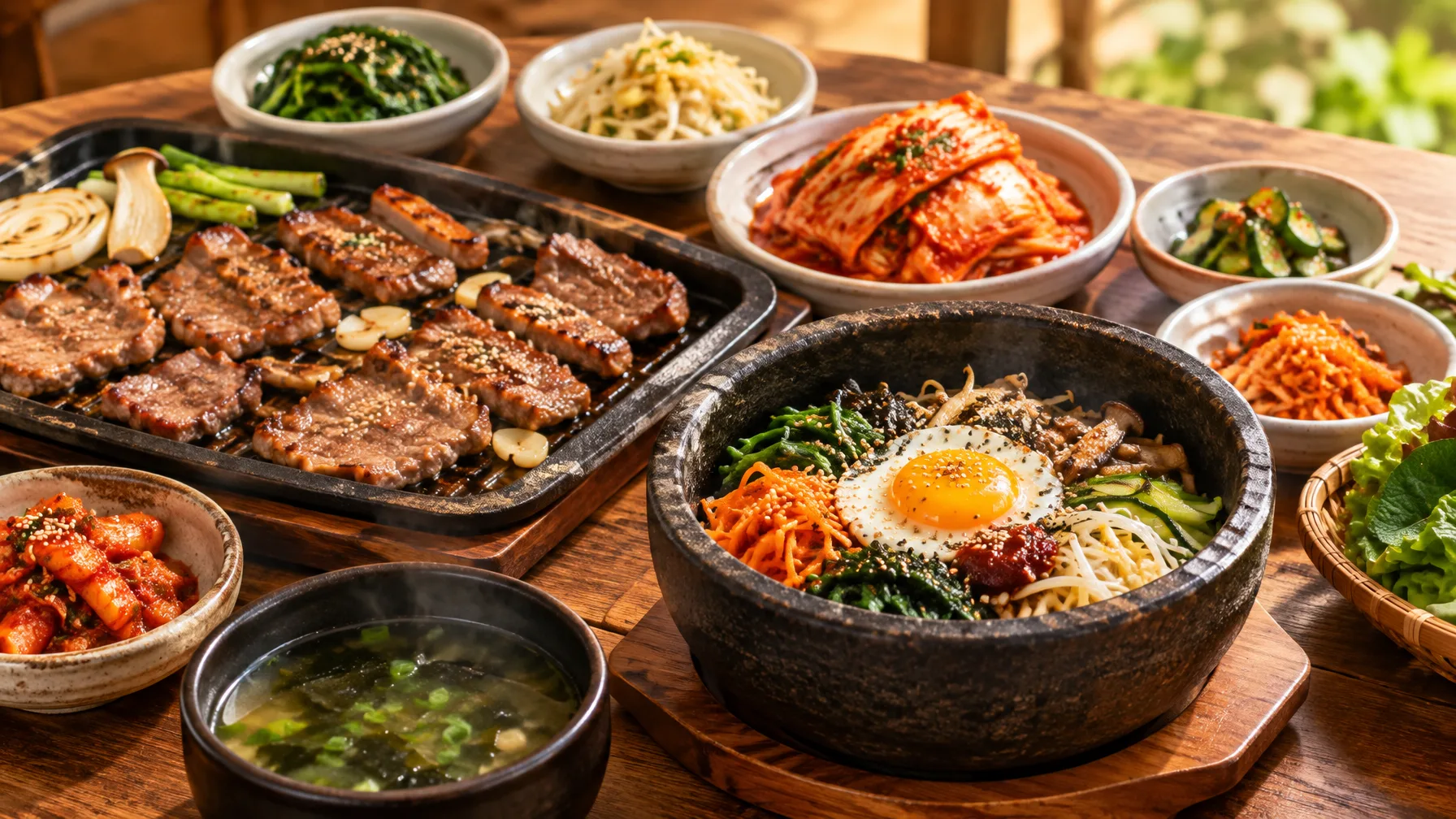
Is Korean food healthy? Mostly yes: traditional meals are vegetable-heavy and built on grilling, fermenting and stewing with little oil. That often means fewer calories than a traditional American meal. The main weak spots are sodium, fried chicken and sugary sauces. If you're new to Korean food, the plan is simple. Fill your table with grilled, steamed or stewed dishes, vegetables, kimchi and bibimbap. Treat the salty and sweet-and-fried things as occasional fun.
Traditional Korean meals are vegetable-heavy and light on oil
 AI-generated image
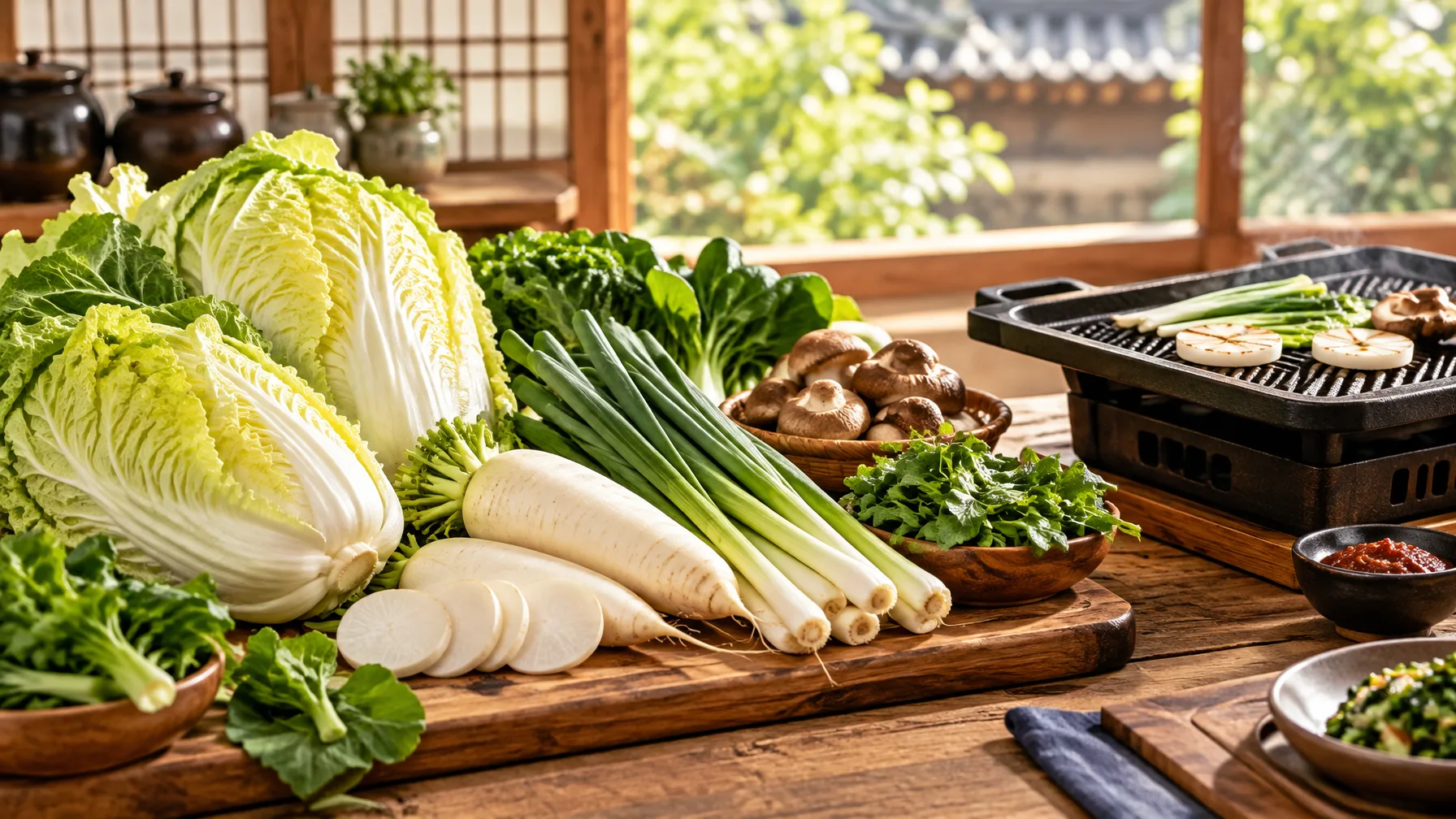
Vegetables sit at the core of Korean cooking, so an ordinary meal offers plenty of nutrient-dense food. Grilling, fermenting and stewing are the three main methods, and all are gentle. Stir-frying is quick and uses only a little oil, which keeps vegetables crisp and their nutrients intact.
Two other habits help. Lean meat is popular, which often means less cholesterol and saturated fat than in some other cuisines. And seasonings like soy sauce add flavor without adding many calories, so a dish can taste big without being heavy. One observational study even linked a traditional Korean diet to a lower risk of metabolic syndrome. That shows an association rather than proof.
Bibimbap, kimchi and sundubu-jjigae are the easy wins
 AI-generated image
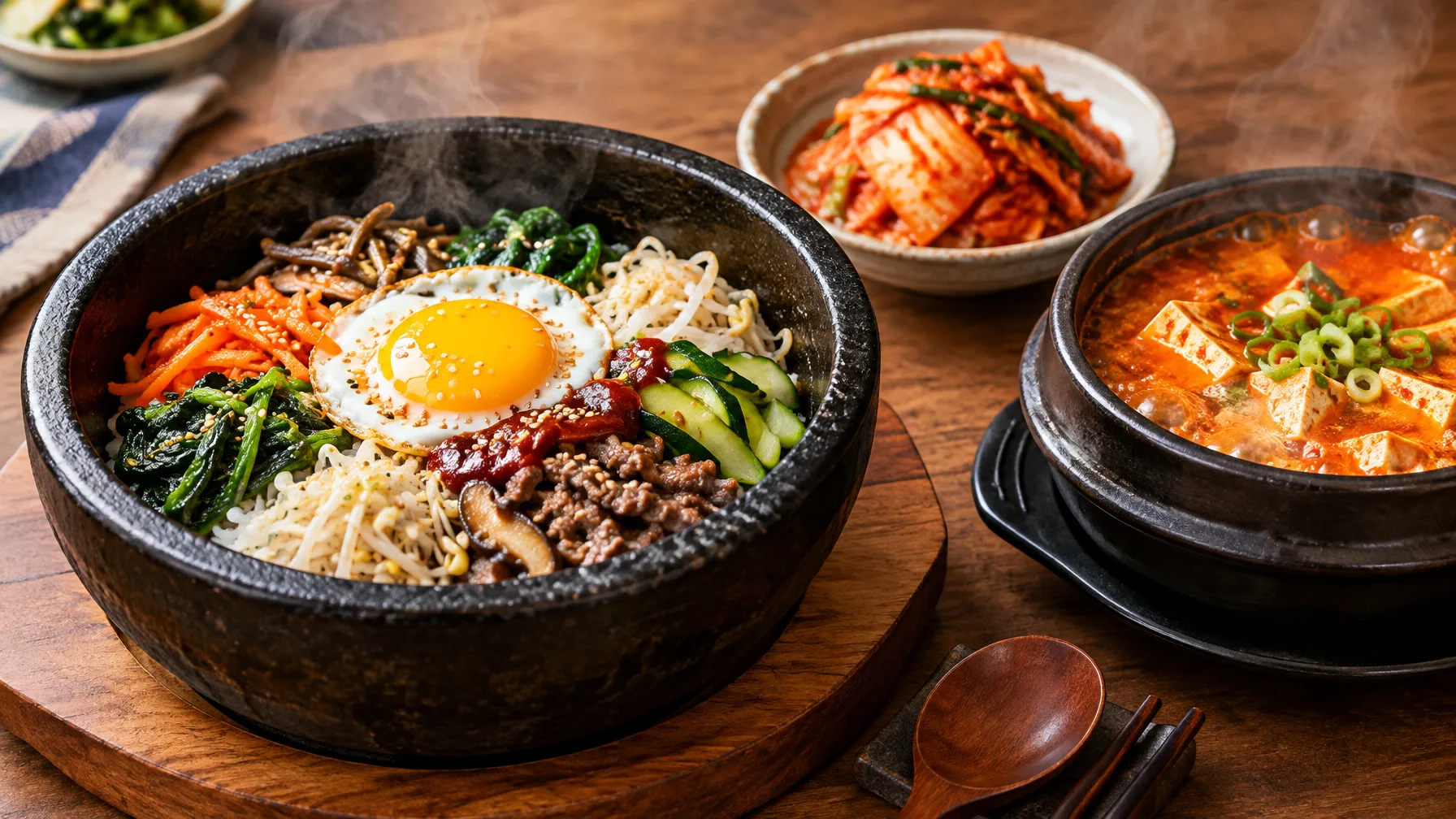
Bibimbap is rice topped with seasoned vegetables and usually some protein, which puts a balanced meal in a single bowl. Want to see what goes into it? There's a full rundown in Bibimbap Korea Ingredients: What Goes in This Bowl?.
Is kimchi healthy? Largely, yes. It is fermented, so it carries probiotics, the gut-friendly bacteria that help digestion. It's also high in fiber, low in calories and rich in vitamins and minerals. Older human studies suggest that eating kimchi is linked with lower body weight and fewer heart-disease risk factors. Kimchi isn't only napa cabbage, either. There are dozens of kinds made from radish, cucumber, green onion and more, all fermented too.
For protein in a healthy Korean order, sundubu-jjigae (soft tofu stew) is a good choice. A serving has 12 grams of carbohydrates, 18 grams of fat and 38 grams of protein, about 353 calories in total.
Salt hides in the broth, the pickles and the sauces
 AI-generated image
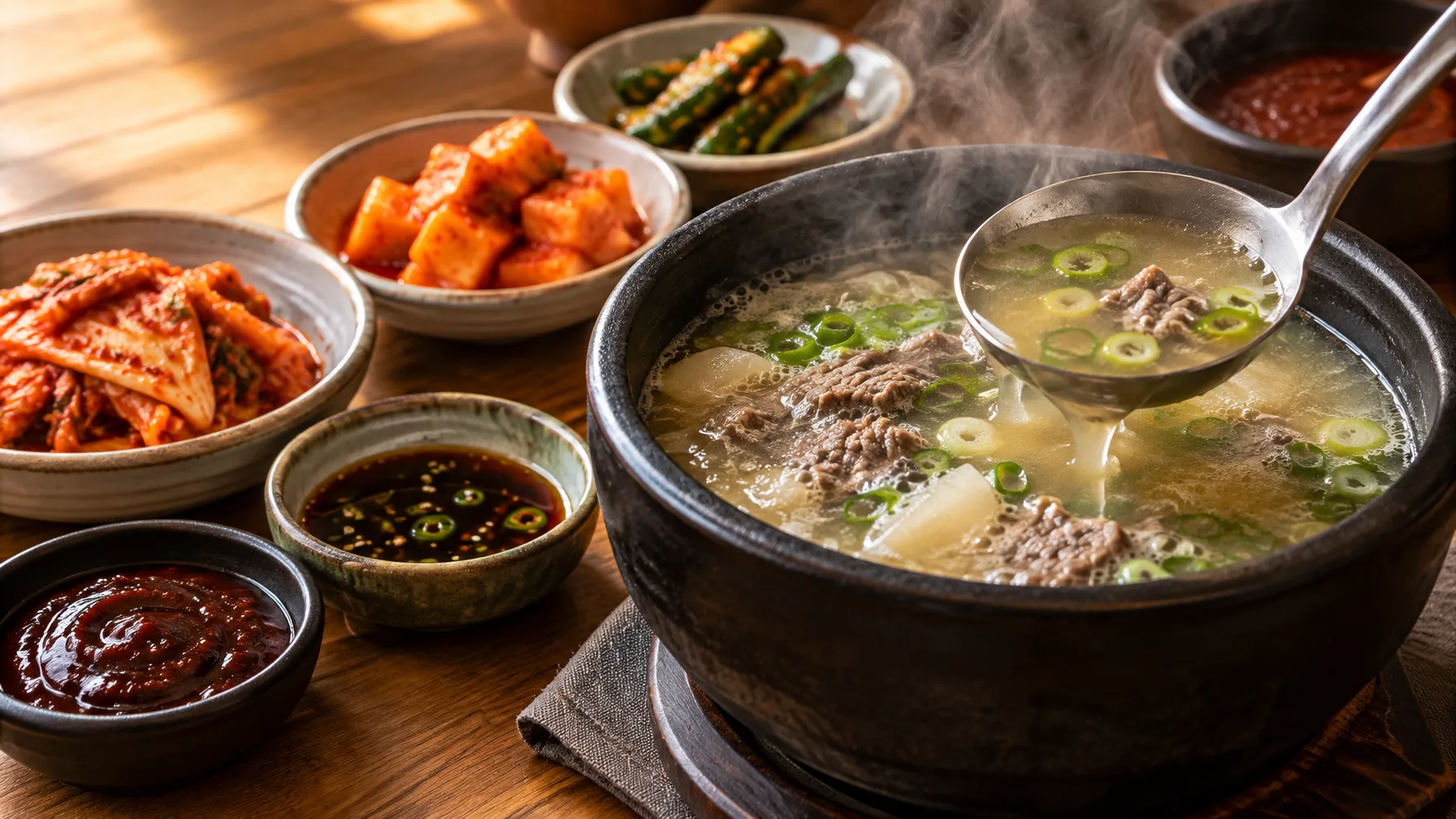
Is Korean food high in sodium? Yes, and it's the one big flaw in an otherwise good diet. Pickled foods, soups and stews with their broths, and seasonings like barbecue sauce all run salty. Fermented sauces carry a lot of salt too, which is why even home cooks use them in small amounts.
Why care? Salt won't change the number on the scale, but too much can dehydrate you. Over time it's tied to high blood pressure and heart problems, and to a higher risk of kidney disease as well. So if you're wondering whether Korean food is healthy to eat every day, salt is the thing to ration. Sip the broth instead of draining the bowl, and don't stack several salty dishes into one meal.
Fried chicken, jjajangmyeon, ramyeon and tteokbokki are the treats
The most unhealthy Korean food is mostly a short list of comfort dishes. Korean fried chicken is usually fried twice and coated in a sweet sauce, so it's high in fat, salt and sugar. It's delicious but not something to eat often.
Jjajangmyeon, the black bean noodle dish, gets a lot of its calories from carbohydrates and fat. Korean ramyeon, the instant noodles, is high in sodium. Adding vegetables and an egg helps, but the salt is still there. Tteokbokki, the chewy rice cakes in red sauce, is heavy in refined carbs, and the sauce usually has sugar in it.
Weight loss and the American comparison: a good fit with one catch
Is Korean food healthy for weight loss? It can be. There are plenty of protein-based dishes, the seasonings are light, and not much oil goes into the cooking. Korea's obesity rate is among the lowest in the world, second only to Japan's. That says something about the way people eat there.
The catch is the barbecue. Korean BBQ leans on fatty cuts like samgyeopsal (pork belly) and galbi (ribs). An all-you-can-eat grill makes it easy to gain weight if you don't watch portions. So is Korean food healthier than American? In general, a Korean table full of vegetables beats a plate of burgers and fries. But a pile of pork belly and a bucket of fried chicken narrows the gap quickly.
Healthy-sounding dishes that still need a second look
Some dishes look healthier than they are. Bulgogi, marinated beef, brings protein and micronutrients, but depending on the cut it can be quite fatty.
Two more traps. Adding vegetables and an egg to ramyeon doesn't cancel its sodium, which matters for anyone who has to watch salt. They are high in fat and carry additives you'd rather skip.
How to order a lighter Korean meal
You don't need to memorize a menu. Think in cooking methods and steer toward the gentle ones.
- Pick gui (grilled), jjim (steamed or braised) and tang or guk (soups and stews) over anything fried or oily.
- Build the meal around vegetables, kimchi and a bowl like bibimbap.
- Share the fried chicken or the noodles instead of making them your main course.
- Sip stew and soup broth rather than finishing it, since that's where the salt sits.
- At a barbecue place, set a portion in your head before the grill heats up.
They're a handy way to get extra vegetables. If you're curious about the etiquette, Are you supposed to eat banchan first? The short answer covers it.
A lean-on, go-easy-on cheat sheet
| Dish or seasoning | Upside or downside | Method to pick |
|---|---|---|
| Bibimbap | Balanced carbs, protein and vegetables | Mixed bowl, light on gochujang |
| Kimchi | Probiotics, fiber, low calorie; salty | Fermented side dish, small portions |
| Sundubu-jjigae | 353 calories, 38 g protein | Stew, sip the broth lightly |
| Grilled meat (gui) | Lean cuts are lower in saturated fat; pork belly and ribs are fatty | Lean cuts, sensible portions |
| Jjim and tang/guk | Gentle cooking, but broths can be salty | Steamed or braised, soups in moderation |
| Vegetable stir-fry | Little oil, nutrients kept | Quick stir-fry |
| Bulgogi | Protein, but fat depends on the cut | Ask about the cut |
| Korean fried chicken | High in fat, salt and sugar (sodium, fat, sugar) | Share it, or choose a grilled dish instead |
| Jjajangmyeon | High in calories from carbs and fat | Occasional treat |
| Ramyeon | High sodium, even with egg and vegetables | Occasional treat |
| Tteokbokki | Refined carbs, sugar in the sauce | Occasional treat |
| Fermented sauces, BBQ sauce, gochujang | Sodium, and sugar in gochujang | Use sparingly |
| Spam, ham, sausage | Fat and additives | Skip when you can |
The verdict: eat Korean, and ration the salt and the fryer
Mostly yes. Go easy on salty broths, ramyeon, Korean fried chicken and sugary sauces.
Comments
No comments yet.