
Korea University Tuition Fee Per Year: Is It Expensive?
 AI-generated image
Undergraduate tuition at Korean universities runs about $4,000-20,000 a year, depending on the school and major. The average is about $11,000. Keep that range in mind when you size up the cost of studying in Korea for international students. Tuition's the biggest single line, but the full first-year bill lands higher once you add the extras below. Is studying in Korea expensive? The low end is gentle and the high end isn't, so your choice of school and major matters most.
A year of undergraduate tuition lands between $4,000 and $20,000, averaging about $11,000
 AI-generated image
The Korea university tuition fee per year depends on two things: which school you pick and which major you study. The range is wide: a humanities degree at a public school sits near the bottom, while medicine at a private school sits near the top.
Korean won figures give a second yardstick. The national average for undergraduate tuition is about KRW 6.82 million a year across all schools. Graduate programs average about KRW 4.22 million a year, which is lower. Use the won average as an everyday benchmark. Use the dollar range as your planning range when you compare specific schools.
Why a public school and a medical degree sit at opposite ends
 AI-generated image
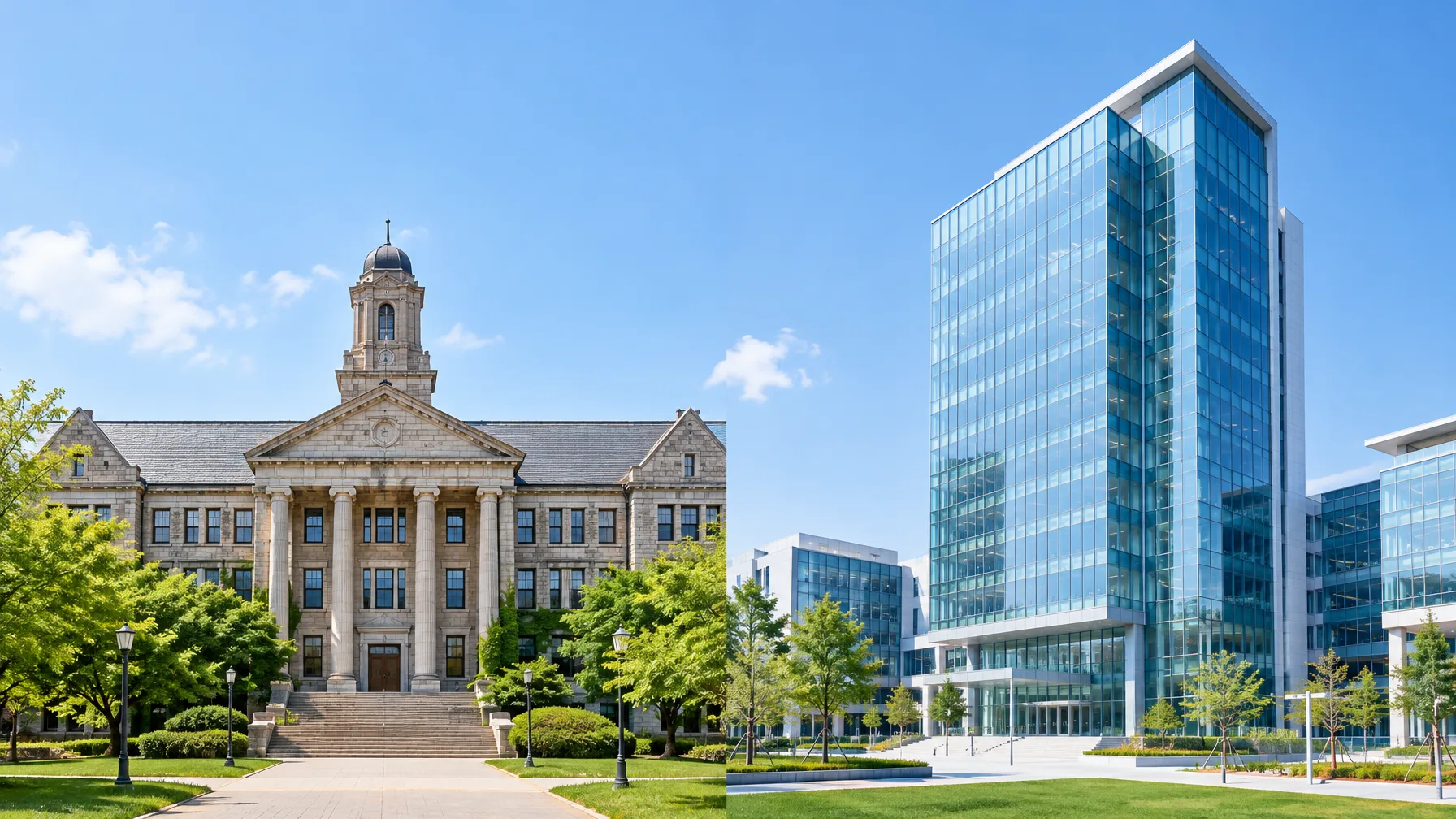
Private universities cost more than public ones. Approximate annual undergraduate tuition is KRW 4.27 million at national and public schools. At private schools it's KRW 7.63 million. The gap is large enough to change which schools fit your budget.
Major is the second lever. Fields such as medicine and engineering cost much more than humanities majors. School type and major together explain most of the spread between $4,000 and $20,000. So pick the major first, then compare public and private options within it.
What you pay on top of tuition
 AI-generated image
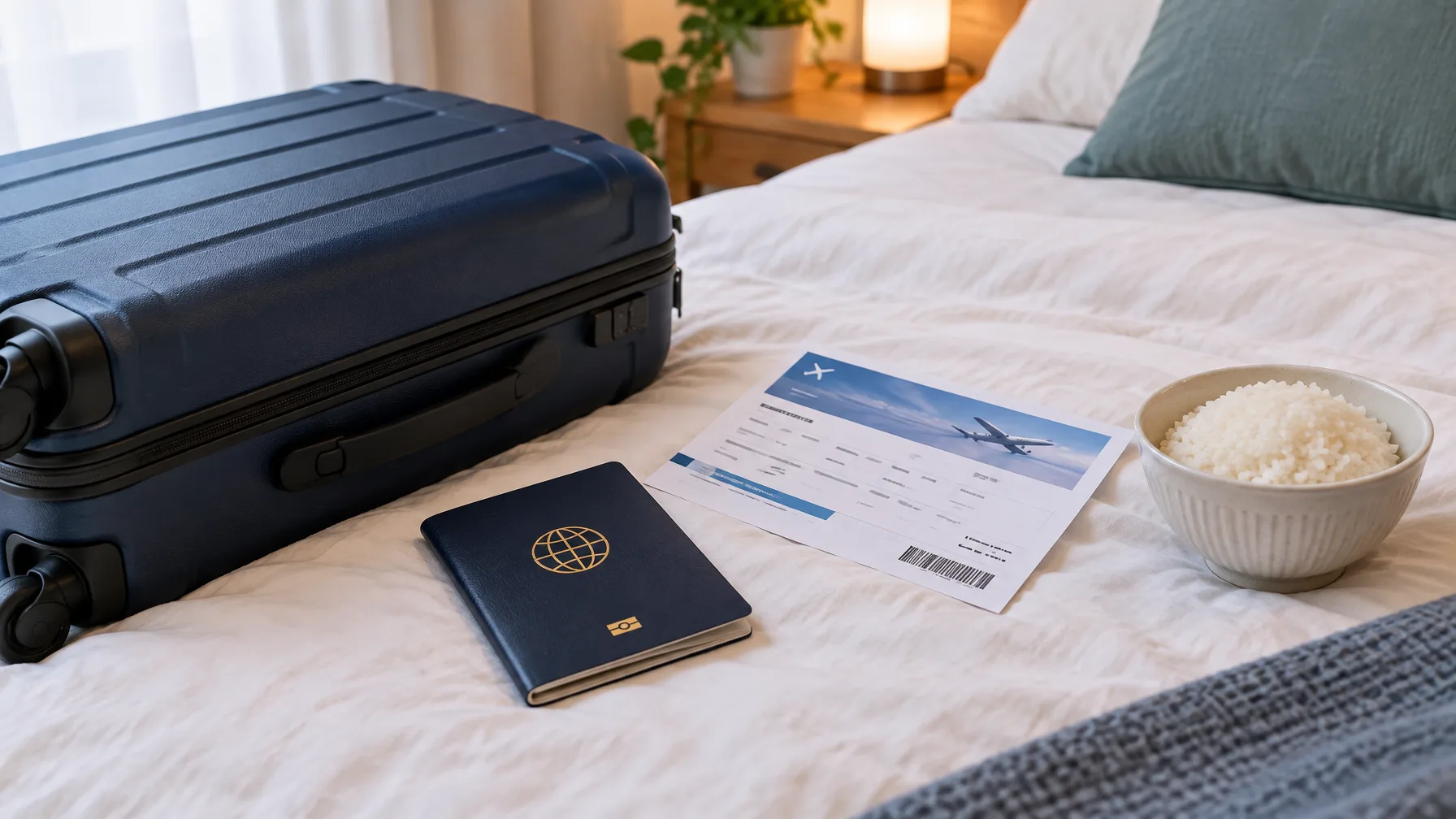
New students pay a one-time admission fee or registration fee in addition to tuition. Food is a steady monthly cost, and about $300 a month is a reasonable figure. A round-trip flight usually costs $1,000-2,000, which is a heavy expense before classes even start. Budget about $250 more for the visa, passport and residence paperwork.
This partial first-year cost sheet uses only those figures. Food is the monthly amount times twelve months.
| Item (USD) | Low | High |
|---|---|---|
| Undergraduate tuition | 4,000 | 20,000 |
| Round-trip flight | 1,000 | 2,000 |
| Visa, passport, residence | 250 | 250 |
| Food for twelve months | 3,600 | 3,600 |
| Partial total | 8,850 | 25,850 |
The sheet leaves out housing, the one-time admission fee, books and other living costs. Treat roughly $8,850-25,850 as a floor for the first year, not a final price. Seoul and other big cities raise the cost of living for students in Korea even further.
- Pick a major and a school type, then find that school's yearly tuition.
- Add the one-time admission fee.
- Add the round-trip flight and the visa, passport and residence costs.
- Add food for twelve months.
- Add housing, books and other living costs from your school's own pages.
- Subtract any scholarship you have actually been awarded, not one you hope for.
Language programs add months and money before degree study
A Korean language course costs $1,300-1,600 for each 10-week semester. Lots of degree programs ask for TOPIK level 3, the standard Korean proficiency test, before you can enroll. Someone starting from zero needs about nine months at a university language institute to get there. So you'd pay for several terms of fees and wait a long while before the first tuition bill shows up.
English-taught courses can shorten that path, but many universities offer them, not all. Korean is the main language of instruction; a school without an English track means more language prep. Language study also helps outside class, where a language barrier can be serious.
Scholarships trim the bill but rarely erase it
Some university scholarships cover about 30-100 percent of tuition, depending on the school and its conditions. In one such scheme, the first semester brings 30 percent off tuition for TOPIK level 3. The award rises 10 percent with each level, up to 60 percent at level 6. A better Korean score can turn directly into a smaller bill.
Most awards go to degree students. Language-course and exchange semesters rarely qualify. Even a good scholarship often covers only part of tuition. The rest and the funds you show for a student visa still come from you. Count any Korea scholarship for international students you apply to as a discount, not a plan.
Part-time work helps with daily costs, not with tuition
Degree students can usually work about 20 hours a week during the term. Language-course students must wait six months before they can apply for part-time permission. So early expenses need other money. Many jobs also expect some Korean, which narrows the choices for beginners.
Working much past 20 hours can hurt your grades and cost you a scholarship. Part-time pay cannot cover tuition, and visa screening does not count future earnings. Think of a job as help with food and transport, not as the way to pay for school.
Averages and brochures can make the bill look smaller than it is
Korea isn't as cheap as some other Asian countries, and student life there can cost more than people expect. Tuition averages cover all students and show a benchmark, not your exact price. Flights are a large expense before you even arrive, and big cities push prices up.
Another surprise is the financial proof for the D-2 student visa. The amount is set by the embassy and is much larger than a monthly budget. One example is a $20,000 requirement for Seoul-area applicants from Kazakhstan.
Budget $4,000-20,000 a year for tuition, then confirm the rest at the source
Two places settle your real number: the admissions page of the school you want, and your local Korean embassy. The school gives you tuition, the admission fee and scholarship terms. The embassy sets the financial proof for your visa. Check both before you commit to a total.
Plan on roughly $4,000-20,000 a year for undergraduate tuition, with an average of about $11,000. Then add the one-time admission fee, flights, visa costs and food on top. Scholarships and part-time work usually cover only part of the total. Start with one school and one major, build your own sheet, and you will know within an evening whether Korea fits your budget.
Comments
No comments yet.