
T-money card where to buy in Seoul: top up and use
 AI-generated image
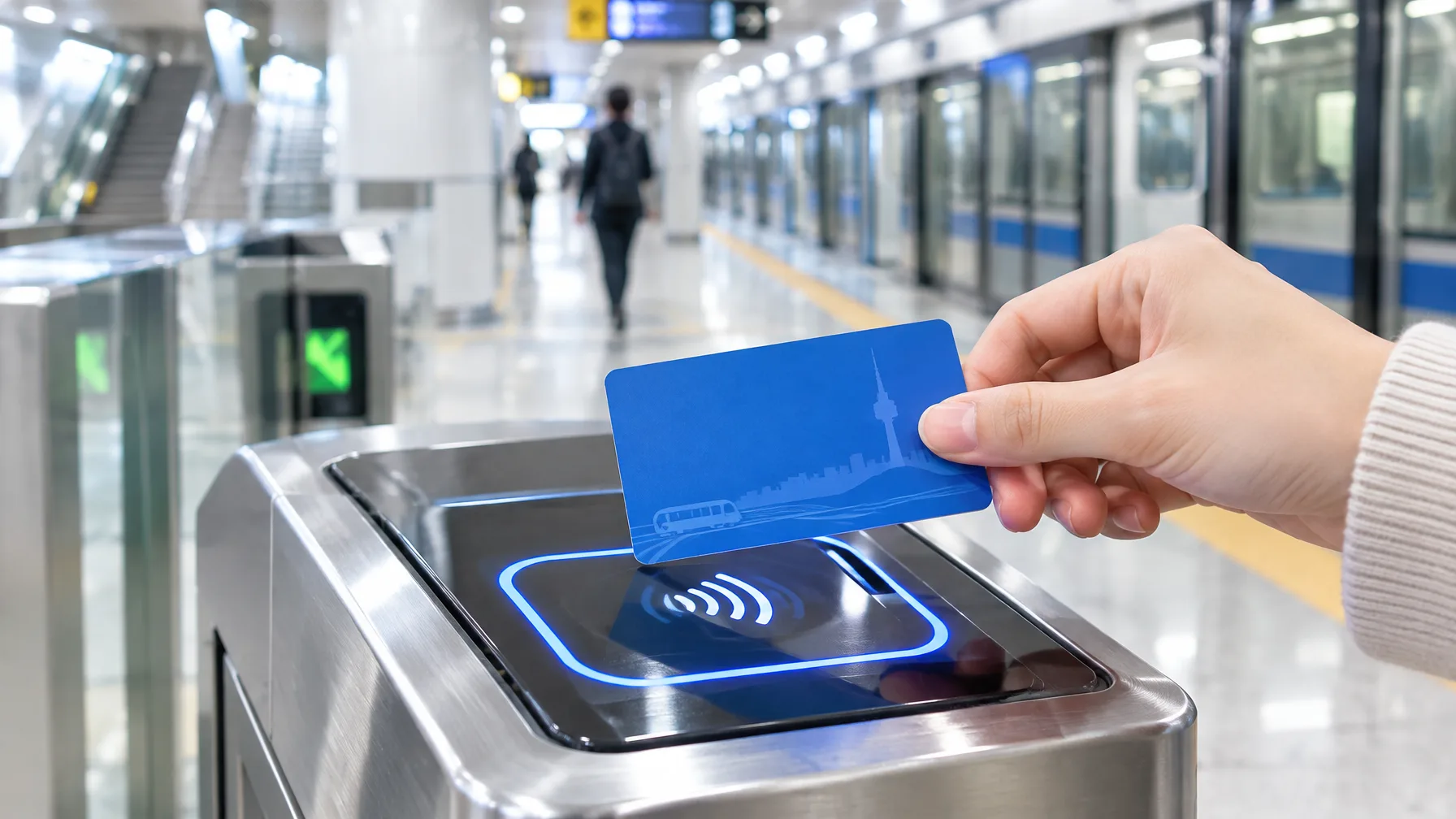
T-money is Korea's rechargeable transit card, and you can buy one at a convenience store or a subway station. Top it up at either. It works on subways and buses. For a first-time visitor it's the one small purchase that makes getting around Seoul simple. The routine is short: add money, tap when you get on, tap again when you get off. And let the 30-minute transfer rule work in your favor.
Buy a T-money card at a convenience store or a subway station
 AI-generated image
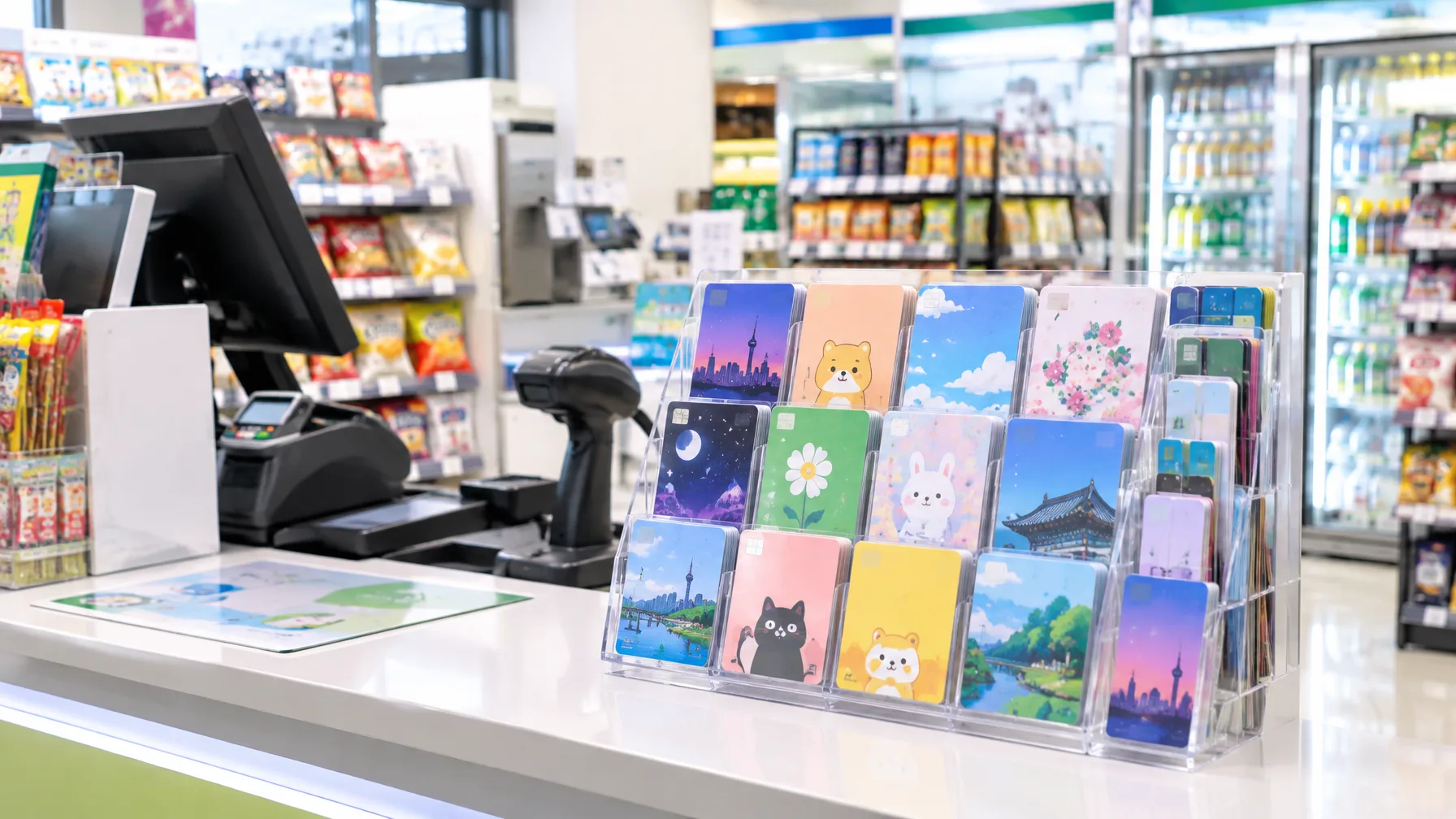
The card usually costs KRW 2,500 to 5,000, depending on the design. That makes the T-money card cost easy to shrug off. The range is about the artwork, not any difference in how the card works.
Convenience stores across Korea sell the card, so you rarely have to plan a special trip for it. Subway stations have facilities for buying one too, which helps if you'd rather pick it up on your way into the system.
Three ways to end up holding a card before your first ride
 AI-generated image
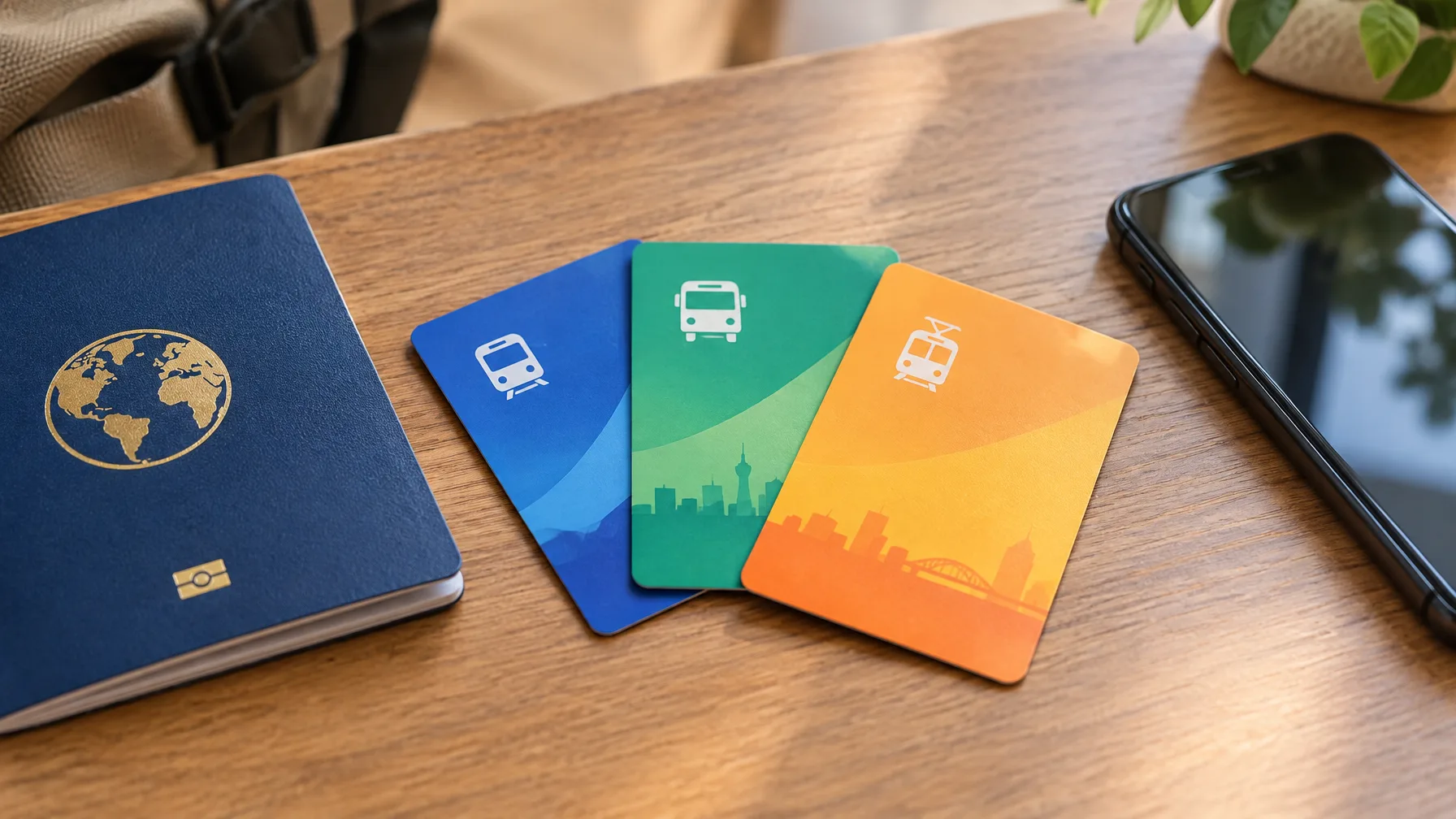
Before you go, know that a card alone won't carry you anywhere. You need balance on it, so plan on a top-up whichever way you get the card. Buying one outright is the usual route, but two other routes exist, and the table lays them side by side.
| Route | Where you get it | What to know |
|---|---|---|
| Buy it outright | Convenience store or subway station | Design decides the price, and you add balance afterward |
| KT plan of 3 days or more | Present your voucher at Incheon, Gimpo, or Busan Gimhae Airport | The card is free, but the benefit covers the card only, so a top-up is required |
| K-Royal Palaces PASS | Booth next to the Gyeongbokgung ticket office, or Incheon Airport T1 Gate 2 | Costs KRW 10,000 and includes T-money use for Seoul subways and buses, with a KRW 3,000 recharge. Bring your reservation confirmation and passport |
Topping up is something you do whenever the balance runs low
 AI-generated image
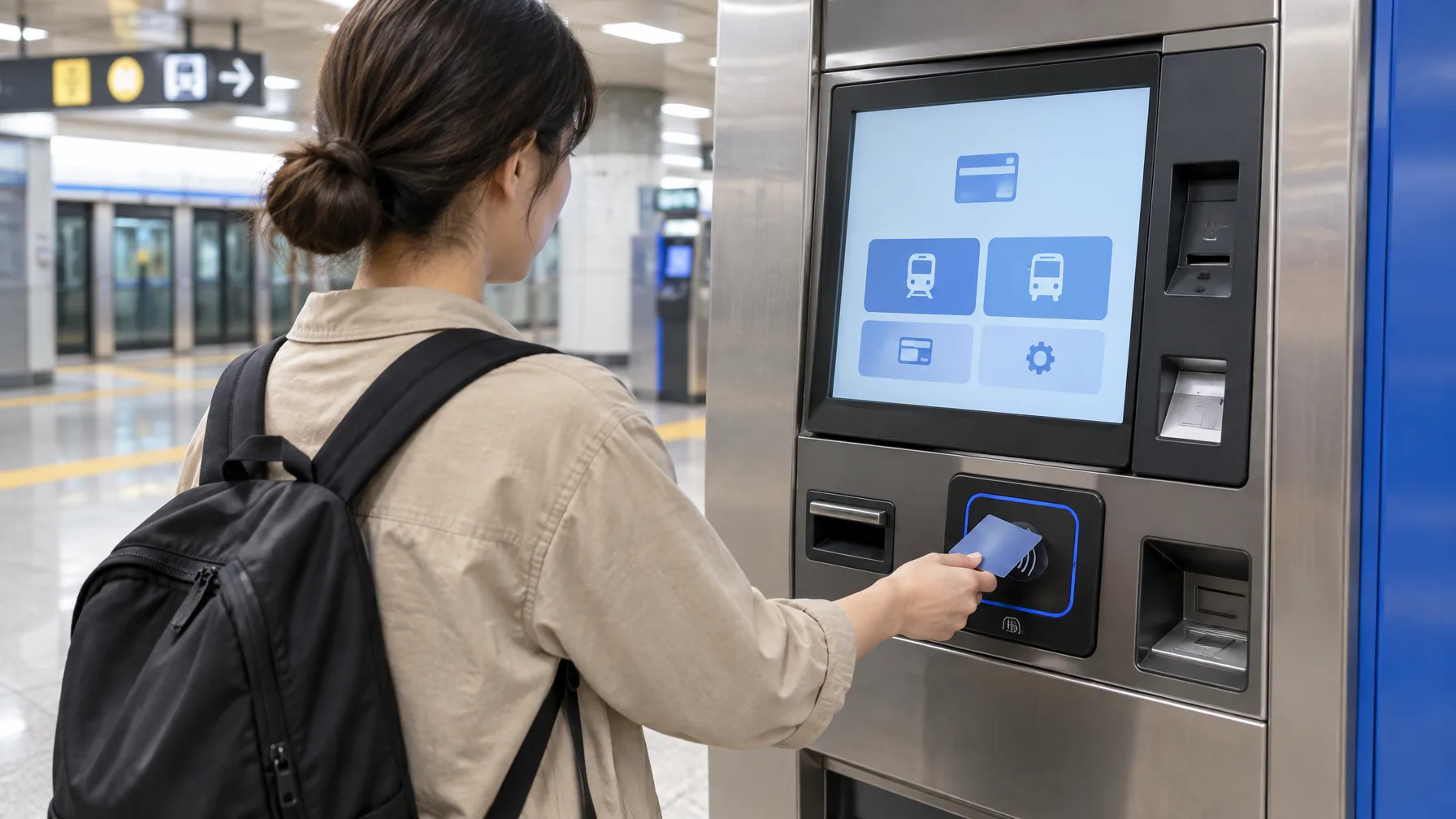
There is no need to load a big amount on day one. Add money when the balance runs low, and carry on. Any T-money card top up happens at a convenience store or a subway station.
The station machines are friendlier than they look from across the concourse. Every subway station has automatic machines that support English, Chinese, and Japanese. If the Korean menu loses you, switch the screen language first.
Your first ride in four taps and steps
Subways and buses work the same way, in two halves: tap when you get in, tap when you get out. So what does a ride look like from an empty pocket to the end? Here's the whole sequence.
- Pick up a card from a subway station machine or a convenience store.
- Add balance to it before your first ride.
- Touch the card to the sensor when you enter the subway station or board the bus.
- Touch it to the sensor again when you exit the subway or get off the bus.
- Top up again whenever the balance gets low.
A 30-minute window rewards quick subway-to-bus transfers
The T-money card transfer rule is the part worth remembering. If you switch between the subway and a bus within 30 minutes, the next leg can be free or heavily discounted. It only works if you keep using the same card for both rides, which is a good reason not to juggle several.
Away from the transit system, T-money works at some convenience stores as well. It is a handy way to spend a leftover balance on a snack, though not every shop takes it.
Where first-timers get stuck
The easy slip is treating the exit as an afterthought. The card has to be tapped when you get off as well as when you get on, and this goes for the subway and buses alike. Make the second tap as automatic as the first.
The other snag is the balance. A card with too little on it won't open the gate, so top it up before a long day, not at the last minute. And if you got a free card with a KT plan, it comes with no ride money on it. Plan on topping it up.
Apple Pay top-ups and other things the card won't do
Topping up with Apple Pay has failed at the first-floor CU in Incheon Airport and again at an airport kiosk. If you land with only a phone wallet, don't count on loading the card there.
The transfer break has limits too. It covers subway-to-bus changes within 30 minutes. The next leg is free or sharply discounted, not a fixed amount. And only some convenience stores accept the card as payment, so count shop payments as a bonus.
The short version: pick it up, load it, tap twice
Buy a card at a convenience store or subway station, and top it up at either. Tap when you enter the subway or board a bus, and tap again when you exit. Transfers within 30 minutes may be free or discounted. Keep a little balance on it and Seoul gets much easier to cross.
Comments
No comments yet.