
Tofu for Bibimbap: A Meat-Free Protein Option
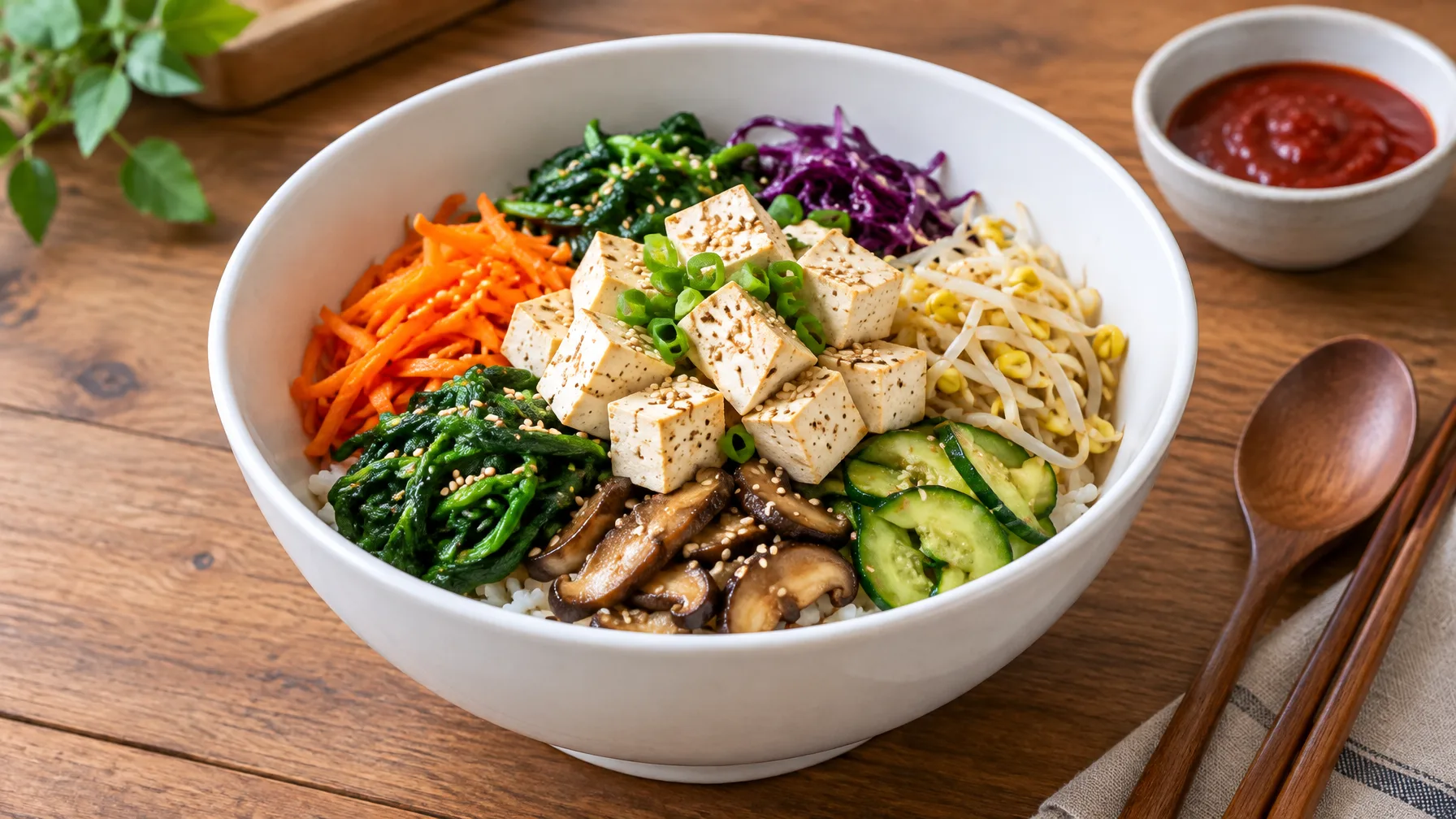
If you're wondering what you can use as a meat substitute in bibimbap, start with tofu. Tofu works as a plant-based protein in the bowl.
 AI-generated image
If you're wondering what you can use as a meat substitute in bibimbap, start with tofu. Tofu works as a plant-based protein in the bowl. Fresh chilled soft tofu and traditional tofu are both good choices. Bibimbap is a Korean rice bowl topped with seasoned vegetables. A typical bibimbap beef recipe adds ground beef on top. Leave the beef out and you'll still get a full, satisfying meat-free bibimbap. Tempeh, seitan, and mock meats are there too if tofu isn't your thing.
Tofu takes the spot beef usually holds
 AI-generated image
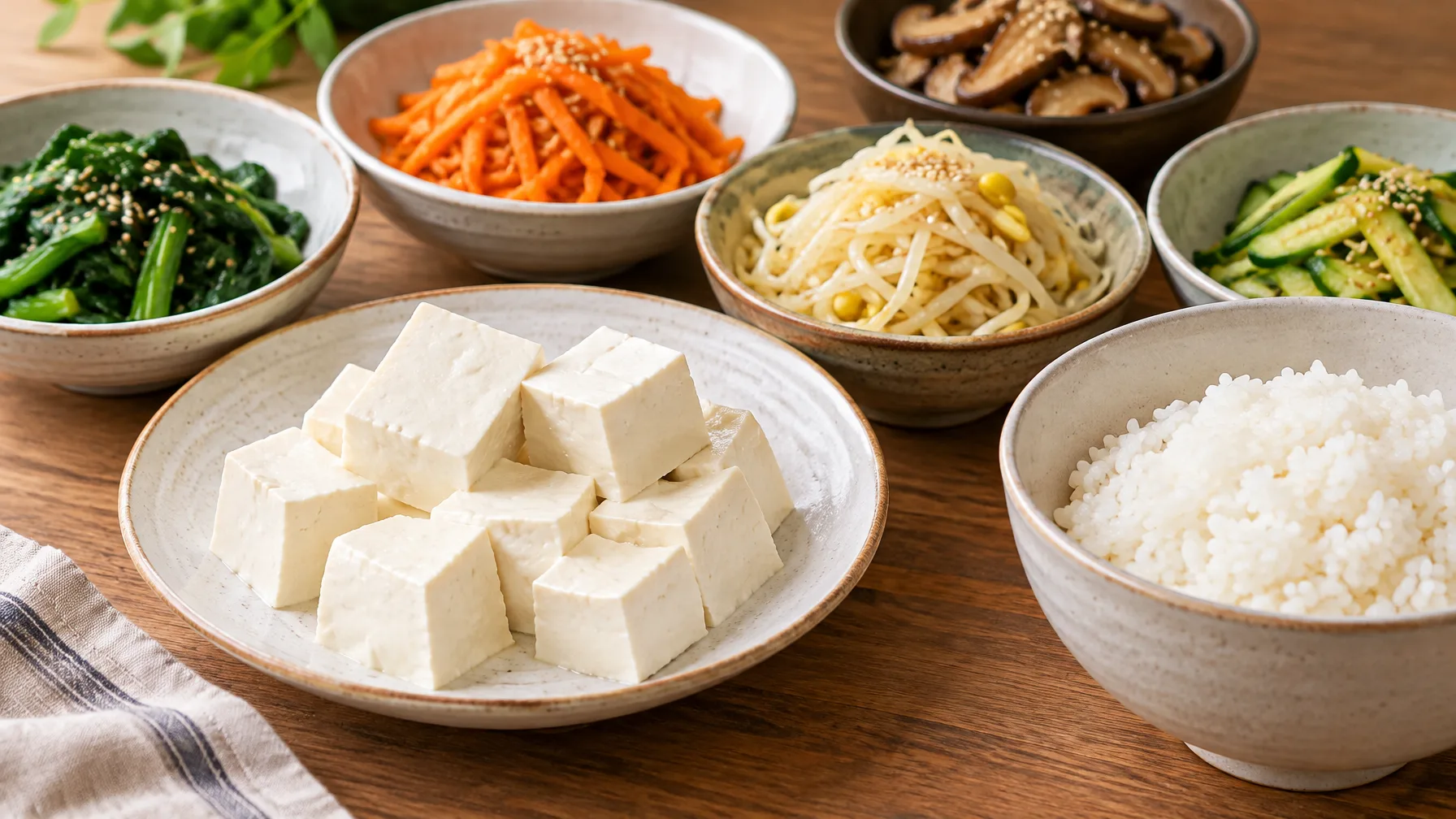
In a bowl built on rice and vegetables, the protein is just one part of the picture. Tofu fills that part well. Fresh chilled soft tofu is a plant-based protein option, and so is traditional tofu.
If you are new to bibimbap ingredients, the idea is simple. You arrange separate toppings over warm rice, then mix everything together at the table. Swapping the meat for tofu changes only one of those toppings. The rest of the bowl stays the same, so you do not have to relearn the dish.
Crispy and firm tofu add more bite
 AI-generated image
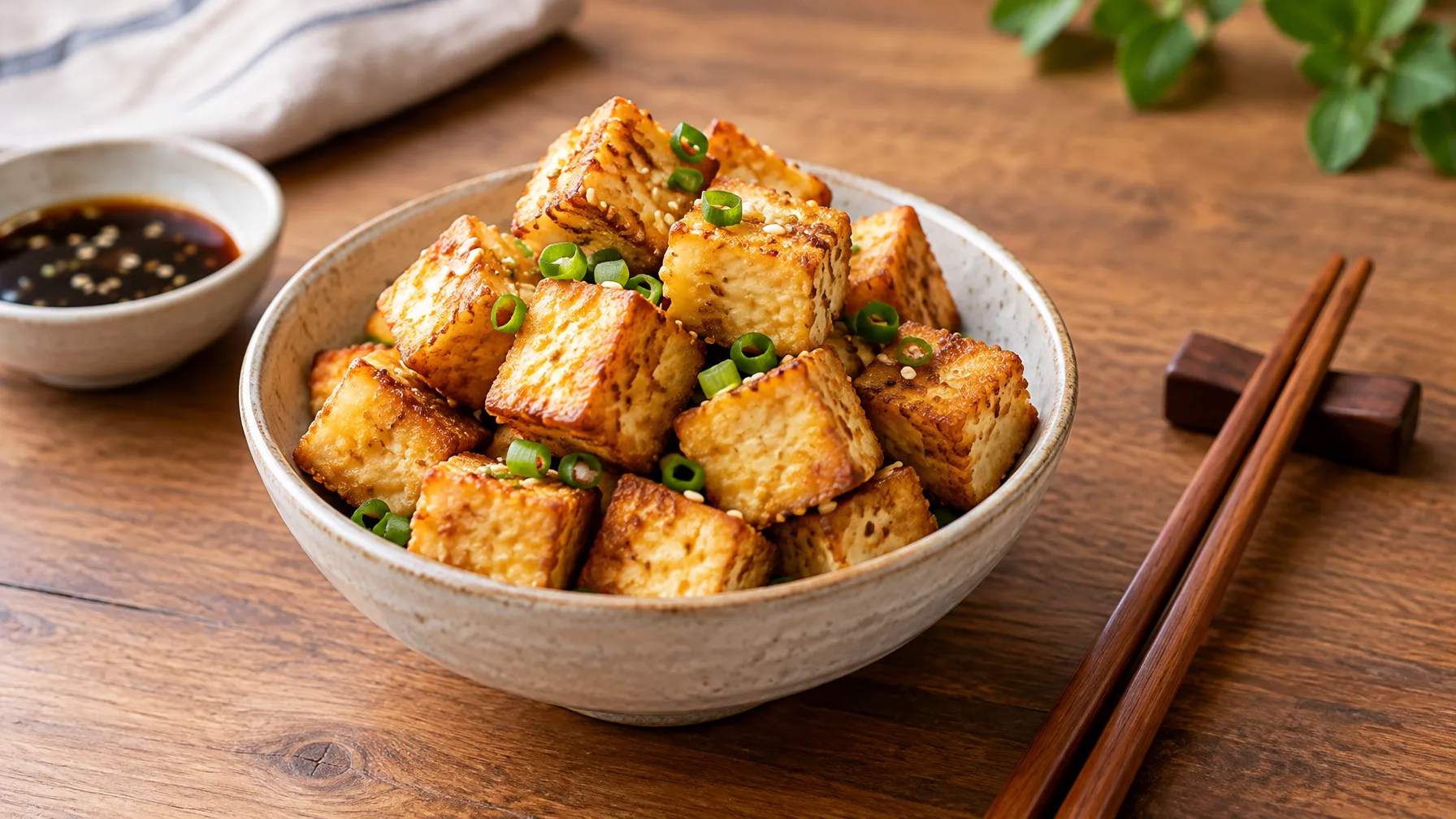
Tofu isn't one single thing, and the type you pick changes how the bowl eats. Soft tofu is gentle and easy to spoon over rice. Crispy tofu gives you a crunchy edge that works against the soft rice and cooked vegetables.
Firm tofu is another common swap, and it is the type recipes name when they list a stand-in for meat. It holds its shape better than soft tofu, which makes it easier to cut into neat pieces for the top of the bowl.
Spicy marinated tofu needs no cooking
 AI-generated image
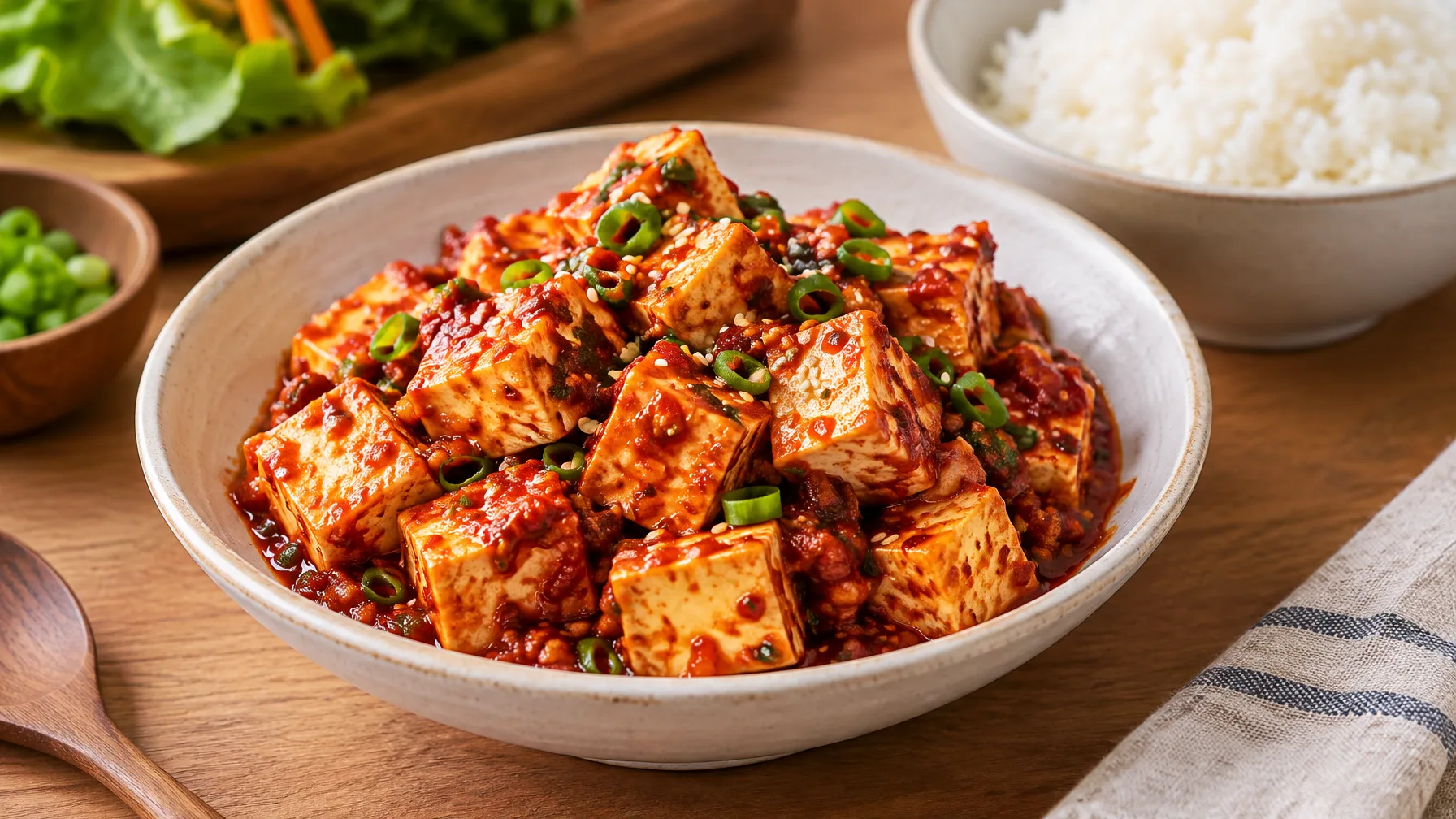
If you do not want to turn on the stove for the protein, there is a no-cook route. No-cook spicy marinated tofu is an option that goes straight from the container and the marinade onto the rice. That makes it the quickest way to a tofu bibimbap on a busy night.
It also pairs well with a bowl where the vegetables are the main event. You get a punch of heat on top and do not add any extra pan to wash.
Tempeh, seitan, and mock meats fill the other seats
Tofu isn't the only way to go. Tempeh, a firm cake made from fermented soybeans, is another option for bibimbap. Seitan, which is made from wheat gluten, is a meat alternative that works too. So are packaged mock meats.
Mock meat isn't one fixed product. Some home cooks use vegan ground meat as a stand-in for the seasoned beef crumble. A plant-based brand like Beyond is one example. Others have tossed Korean BBQ-flavored vegan steak tenders into the bowl.
Feeding a mixed table? Some cooks make the tempeh version for themselves and set out a store-bought beef substitute for the meat eaters. It keeps everyone happy without cooking two full meals.
Mushrooms and greens are toppings, not protein swaps
This is where first-timers often mix things up. Tofu, tempeh, seitan, and mock meats stand in for the meat. Vegetables fill the rest of the bowl. Both matter, but they do different jobs.
Sautéed fresh shiitake mushrooms make a good topping and add extra umami, that savory depth you usually get from meat. Chinese broccoli in vegetarian oyster sauce is another vegetarian topping. A very simple meat-free bowl can be little more than vegetable side dishes, kimchi, and seaweed flakes. Add an egg on top if you eat eggs.
| Item | Role in the bowl | Why you might pick it |
|---|---|---|
| Tofu (soft, traditional, firm, crispy) | Protein | Mild, easy to find, works warm or cold |
| No-cook spicy marinated tofu | Protein | No stove needed |
| Tempeh | Protein | Another option with a firmer texture |
| Seitan and mock meats | Protein | Closest to the feel of a meat topping |
| Sautéed fresh shiitake | Vegetable topping | Adds extra umami |
| Chinese broccoli in vegetarian oyster sauce | Vegetable topping | Fresh greens with a savory sauce |
Here is a simple way to put a bowl together once you have picked your pieces.
- Cook a pot of rice and keep it warm.
- Choose one protein: tofu, tempeh, seitan, or a mock meat.
- Sauté the shiitake or prepare the Chinese broccoli.
- Scoop rice into a bowl and arrange the toppings in separate sections.
- Mix everything together before the first bite.
Where a meat-free bowl can trip you up
First, you do not strictly need a substitute at all. A bowl full of vegetables is a complete bibimbap on its own. Some recipes even suggest pan-fried tofu for anyone who does not want to use vegan ground meat.
Second, a restaurant bowl may not be as plant-based as it looks. Many traditional toppings include meat or seafood. Banchan, the small side dishes served with Korean meals, can also contain fish sauce, shrimp paste, or anchovies. If you eat fully vegan, ask about them before you dig in.
Third, most written recipes are built around marinated, cooked beef. Tofu and tempeh need a different approach, so expect to adjust the method yourself. And if you are only making a single meal, the full spread of toppings may feel like a lot of prep. Pick two or three toppings and call it done.
Start with tofu, then build the bowl your way
Tofu is the easiest plant-based protein for bibimbap, and fresh chilled soft or traditional tofu are both good options. Tempeh, seitan, and mock meats are solid backups if you want something chewier. Add some sautéed shiitake or greens, and you have a bowl that does not miss the beef. Enjoy your first one, and take your time mixing it all together.
Comments
No comments yet.