
Why Is Jeju Island So Famous? Hallasan, Lava Tubes and More
 AI-generated image
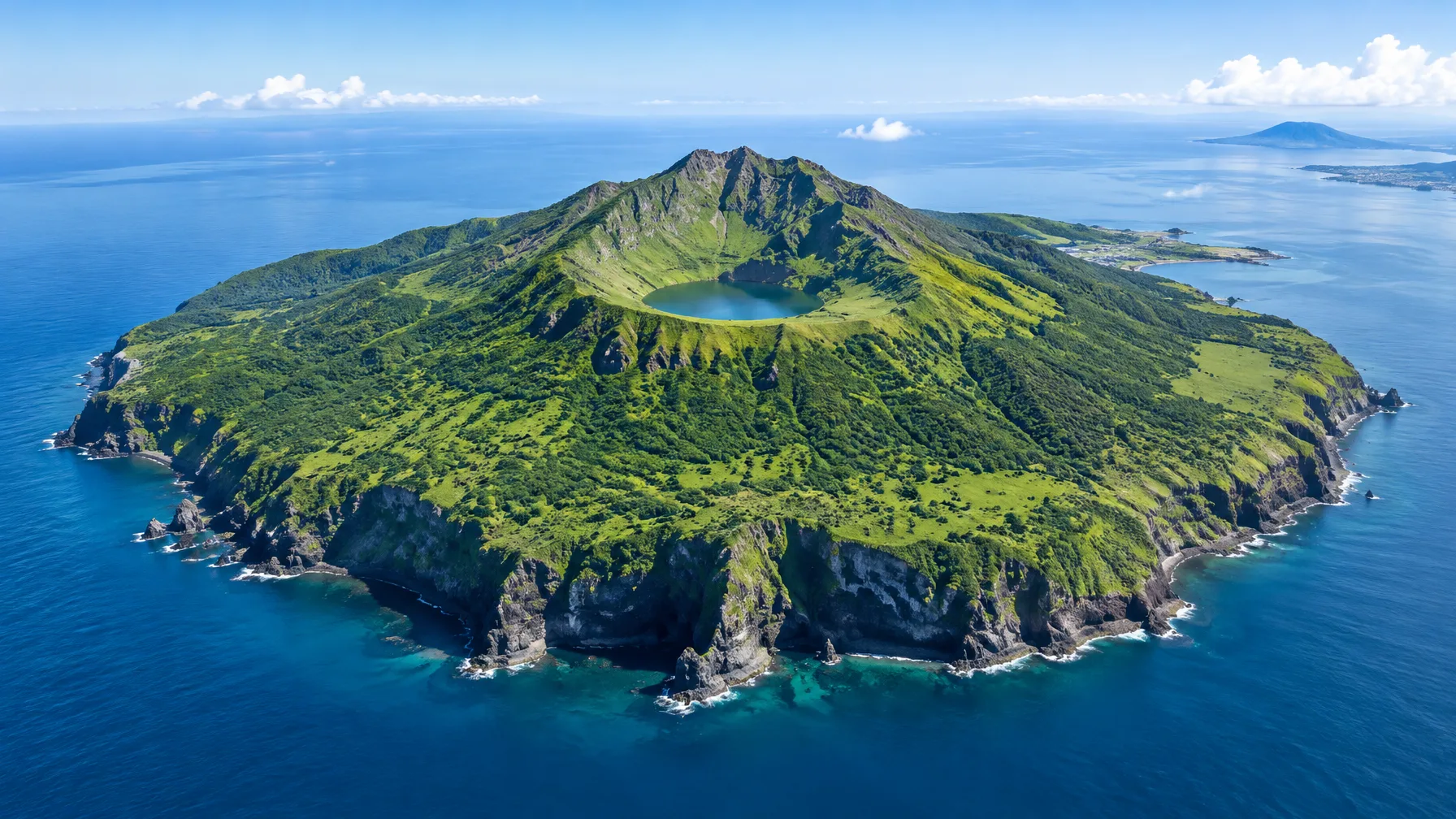
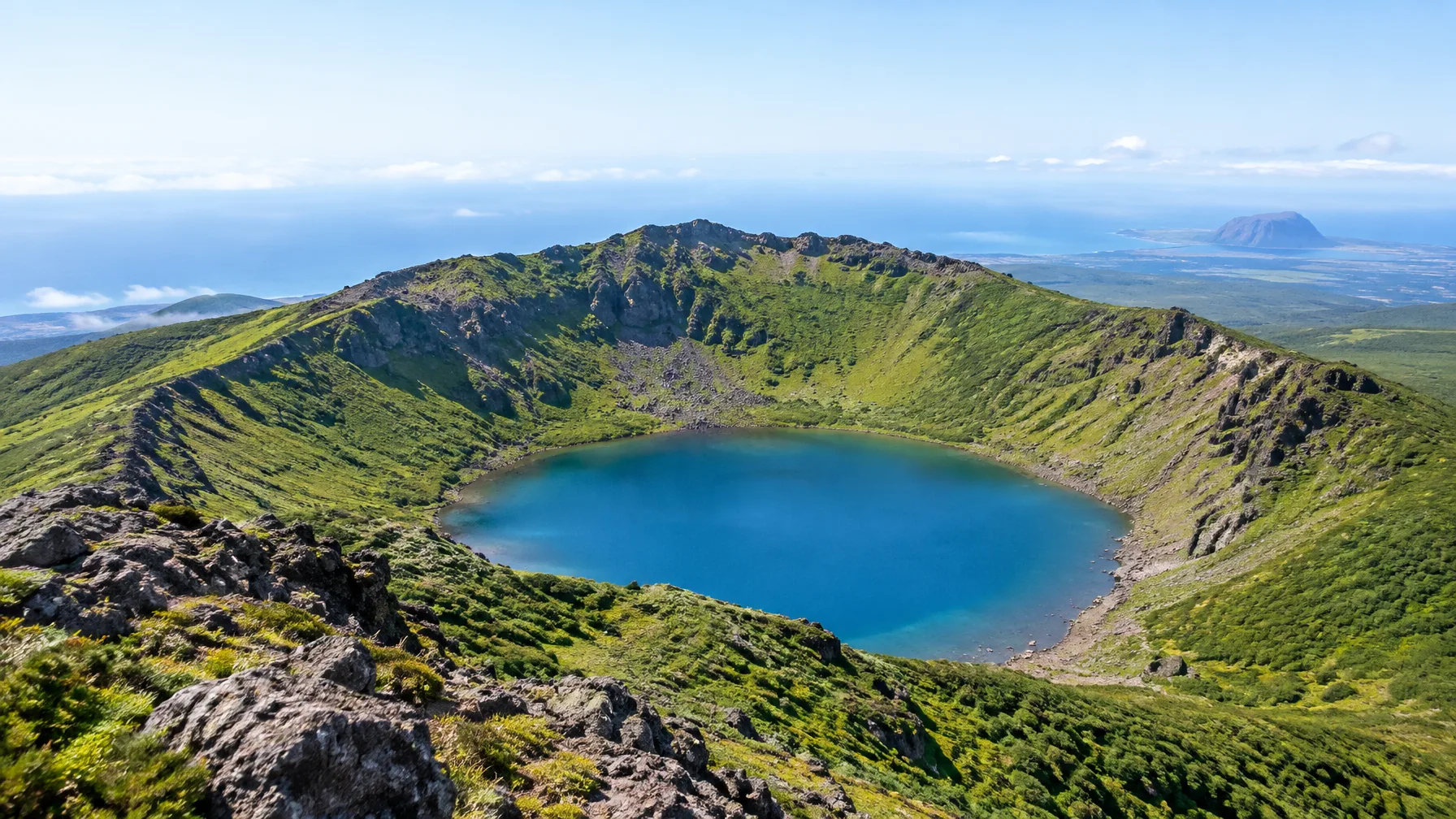
Jeju is an oval volcanic island about 80 km (roughly 50 miles) off the southern tip of the Korean Peninsula. At its center stands Hallasan, Korea's highest mountain and a volcano with a clear lake in its crater. The island also holds UNESCO World Heritage-listed lava tubes. Jeju-do is famous mostly for that landscape, with women divers, black pork, K-drama locations and a long list of museums stacked on top. This guide sorts those reasons out for a first-time visitor. It also looks at what the fame costs the people who live there.
A volcanic island with Hallasan at its center and UNESCO-listed lava tubes
 AI-generated image
The landscape comes first, and the other draws grow out of it. Here is the whole picture at a glance, before each piece gets its turn.
| Reason | What draws people in |
|---|---|
| Haenyeo culture | Women divers who gather seafood on a single breath |
| Food | Black pork, hallabong citrus, grilled horse meat and fresh seafood |
| Screen and museum appeal | K-drama filming locations and more than 100 museums |
The crowds that made Jeju famous come at a cost to the people who live there. That cost gets its own section near the end, and it should shape how you travel.
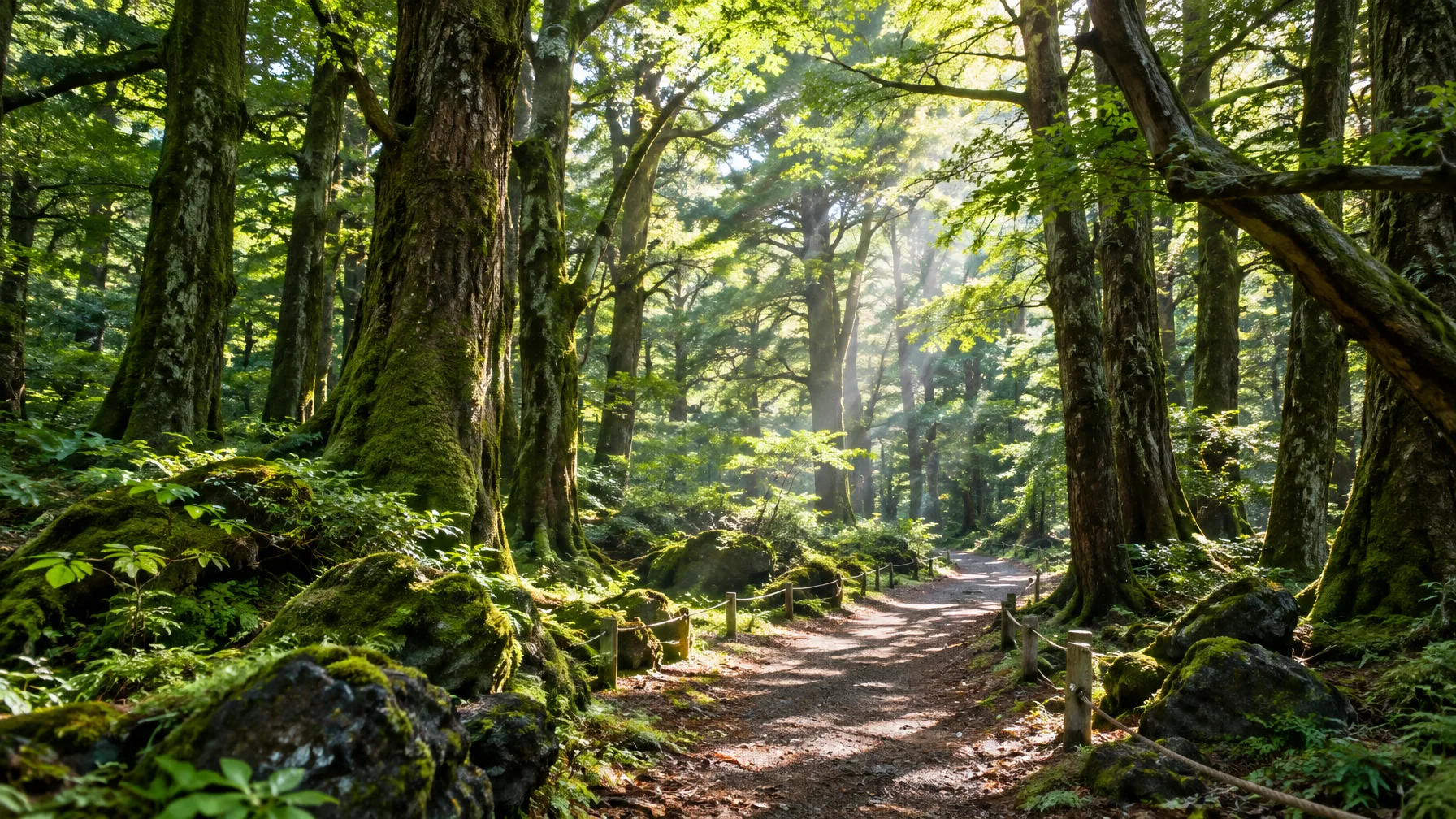
Bijarim forest and a bike loop show the island beyond the summit
 AI-generated image
The mountain and the lava tubes get the headlines, but they are not the only way to see the island's terrain. Bijarim forest is a striking stop that surprises many first-timers. The mountain itself has its own guide. See Hallasan, Korea's Highest Peak at 1,947 m, and Its Rivals for the details.
Jeju also suits people who like to move under their own power. Riding a bicycle all the way around the island is a real trip that people do. Cyclists with tents and sleeping bags strapped to their bikes are a common sight. Public Wi-Fi is good enough to find your way with, so a bike loop doesn't need much navigation gear.
Slow down. A pace of swimming, long meals and walks down country lanes fits the island well. Stay ten days or more if you can, since that is when the island's strengths really show.
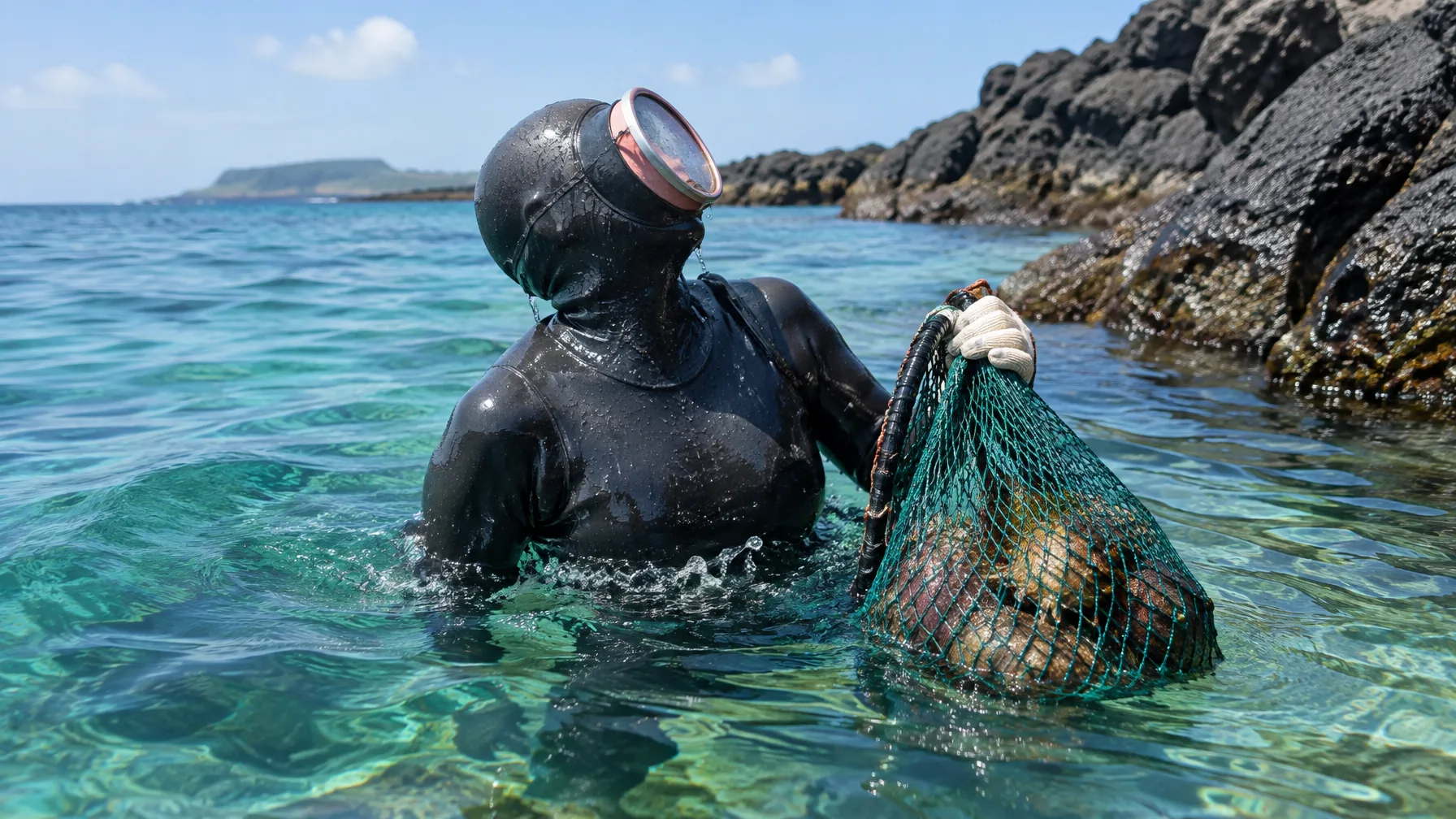
Haenyeo dive for seafood on one breath, with no snorkel or oxygen tank
 AI-generated image
The haenyeo are the women divers of Jeju. They gather seafood from the sea floor holding their breath, with no snorkel and no oxygen tank. This follows a tradition that goes back hundreds of years.
Jeju haenyeo are more than a postcard. They are a living working culture, a group of women whose daily labor is tied to the water around the island. When you eat fresh seafood on Jeju, the people who gather it by hand are part of the story.
What Jeju is famous for on the plate
Jeju-do is famous for four things in food. Hallabong is a citrus fruit. Grilled horse meat is a local specialty, and the seafood is very fresh.
Come hungry. Local restaurants on the island tend to serve generous portions. Two people sharing a couple of dishes can go a long way.
K-drama sets turned into attractions, plus more than 100 museums
Many Korean dramas were shot on Jeju, and most of those filming locations are now major tourist spots. If a scene stayed with you on screen, there is a decent chance you can stand in it. Searching for Jeju K-drama filming locations is a fun way to build a route.
The island also has more than 100 museums. That is a lot for a place its size. It gives you something to do when the weather turns and the mountain is out of reach.
A self-governing island with its own dialect and its own weather
Jeju sits across open sea from the mainland and is an autonomous island. The Jeju dialect is one of the clearest clues that it has a character of its own.
The air changes too. If you are coming from Seoul, the temperature difference is easy to feel the moment you arrive. Pack for the island's weather and not the city's.
A pretty beach photo is not the whole island
The most common mistake is to treat Jeju as a photo set. Visitors post only very pretty pictures, which makes the island look like paradise. The next wave of travelers arrives with the same expectations. Part of Jeju's popularity comes from a staged image.
Social media rewards picture quality. It doesn't cover a place's history, memory, culture or everyday life. That leaves an odd gap between the tourism you see online and the island people actually live on. Look past the beach shot and take in the villages, the farms and the sea.
What the crowds cost the people who live on Jeju
Tourism made popular by social media has pushed residents out of their homes through high property prices. It has also made trash a bigger problem in the villages. In Woljeong, residents were offered far more money to turn farmland into Airbnbs and tourist facilities. That fed price rises in other parts of the local economy.
Visitors walk deep into the places where people live, yet often pay little attention to local conditions. Residents are the ones left with the pollution, the garbage and the damage to the environment once the trip is over.
- Carry your trash out with you instead of leaving it in a village.
- Treat residential lanes and farmland as someone's home, not a backdrop.
- Visit beyond the photo spot, so your time spreads out instead of piling up in one place.
Landscape first, everything else on top
Jeju is famous first for its landscape, a volcanic island with Hallasan at its center and UNESCO-listed lava tubes. On top of that come the haenyeo divers, black pork and fresh seafood, K-drama locations and more than 100 museums. The crowds come at a cost to locals.
Leave each village as clean as you found it. Tourism driven by social media weighs on the villages, and residents carry that burden.
Comments
No comments yet.