
Largest Palace in Korea: Gyeongbokgung, the Biggest of Five
 AI-generated image
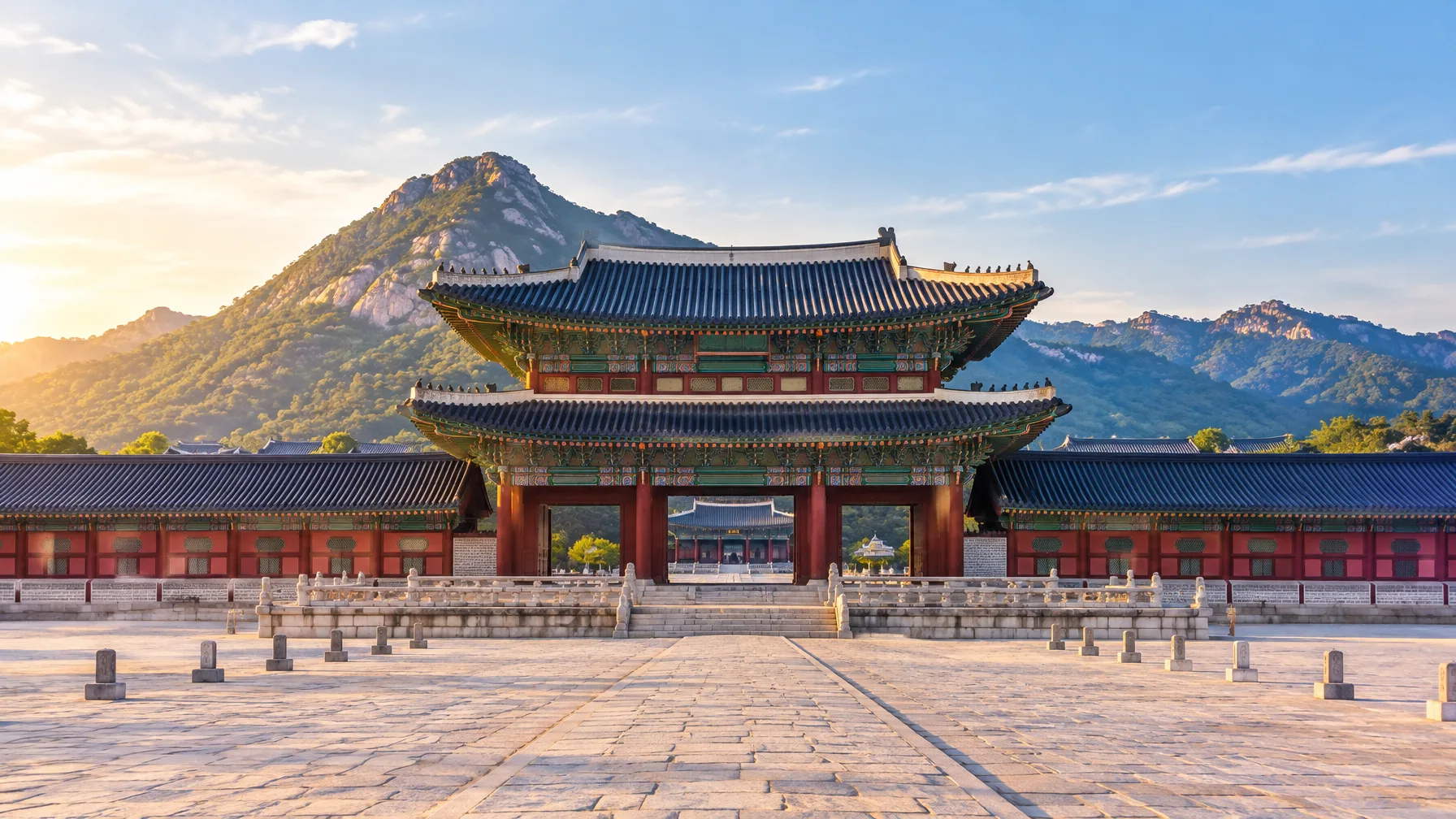
Gyeongbokgung Palace in Seoul was built in 1395 by Yi Seong-gye (later King Taejo). It is the largest of Korea's five Joseon royal palaces. So if you want the largest palace in Korea, start there.
Gyeongbokgung is the biggest of the five Joseon palaces
 AI-generated image
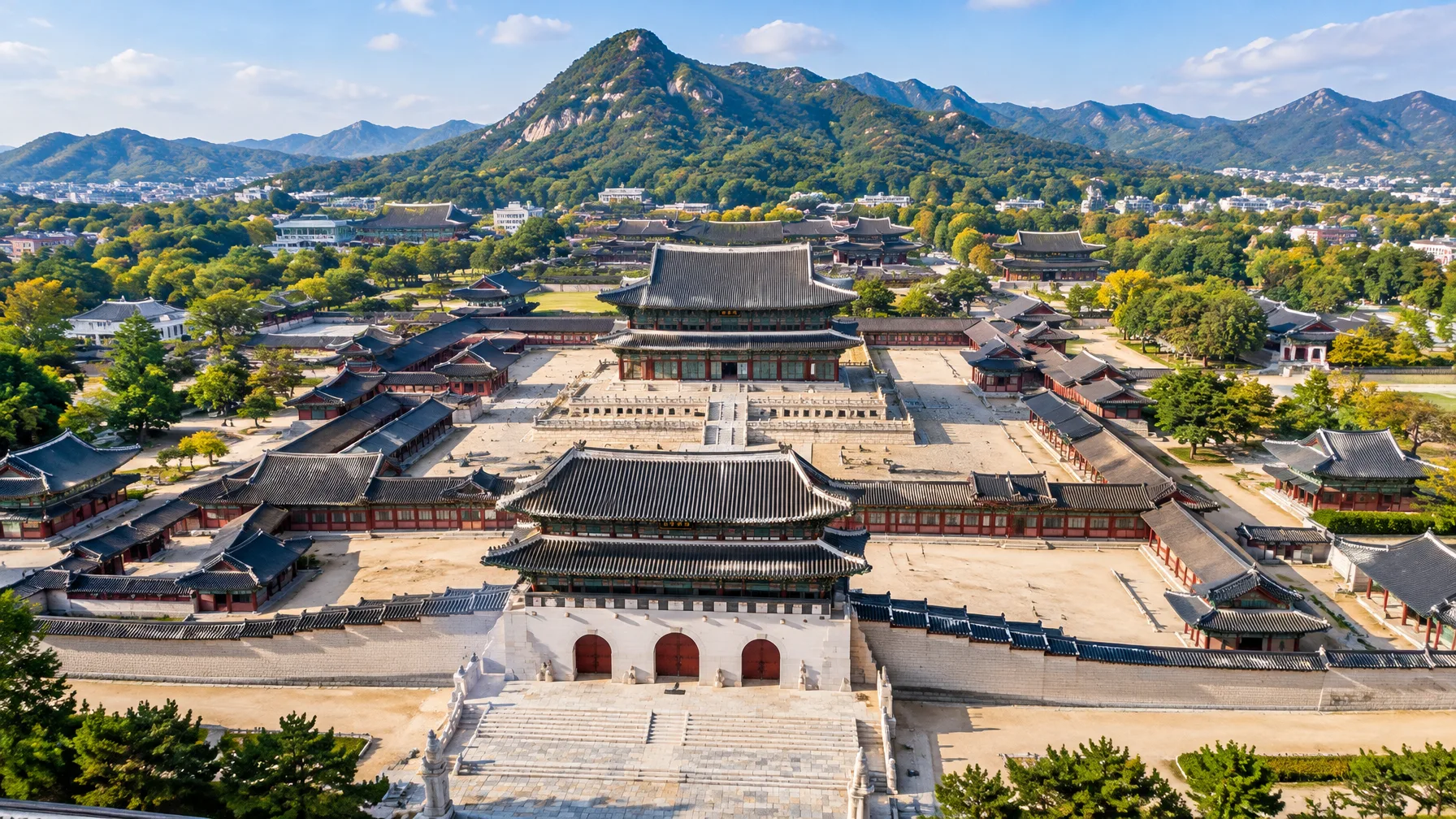
Of the royal palaces the Joseon dynasty left behind, Gyeongbokgung is the biggest, and it was designed as the dynasty's main palace from the start. That is the short answer. It holds as long as it is read the way it is written: a ranking among five palaces, not a worldwide record.
Why Seoul calls it the northern palace
 AI-generated image
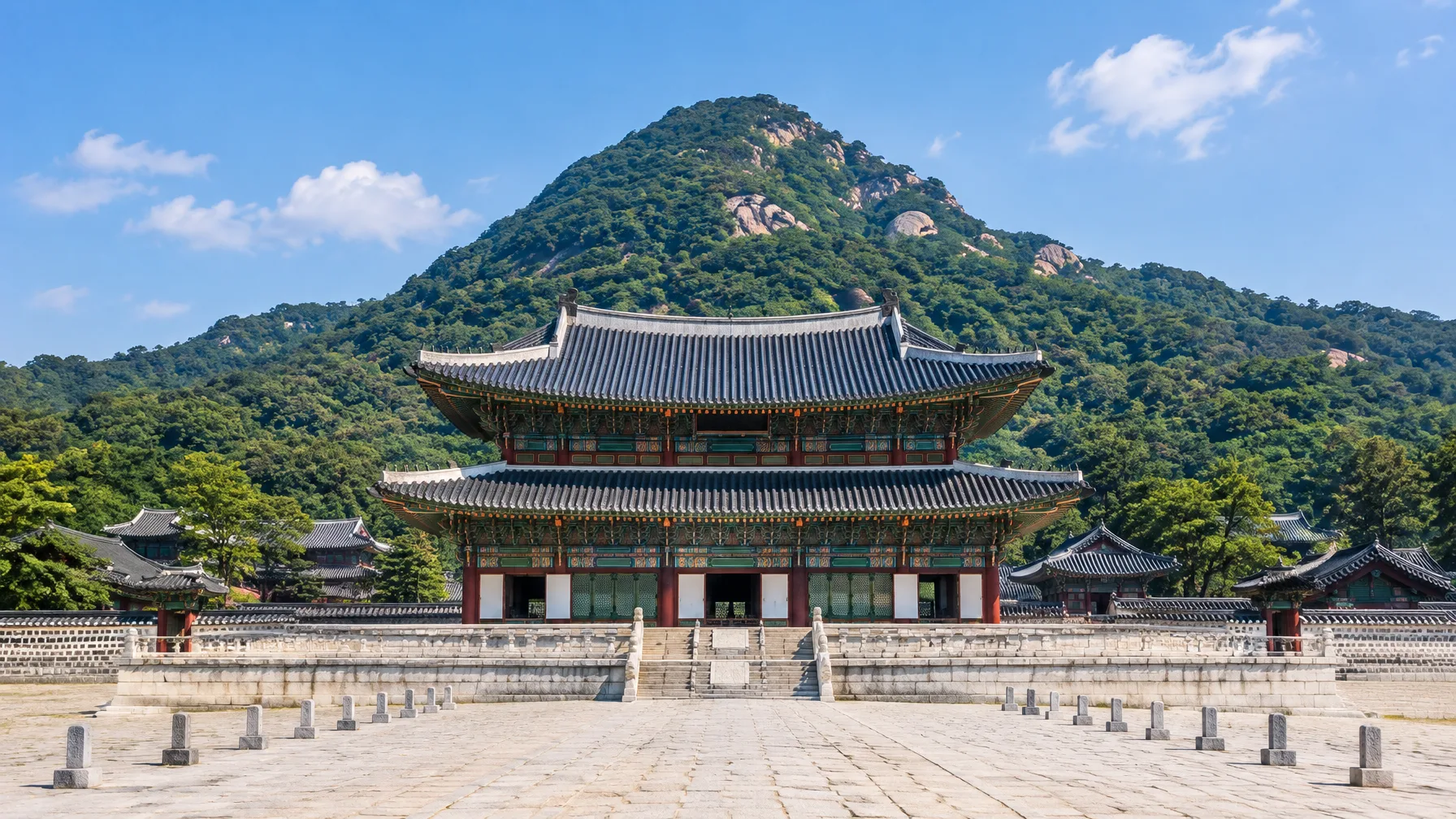
Gyeongbokgung sits north of Changdeokgung Palace to the east and Gyeonghuigung to the west. That position gives it its common nickname, Bukgwol, which means 'the northern palace'. Sort the 5 palaces in Seoul by compass direction, and this is the northern one.
The palaces in Korea are close enough that people often try to see several in a row. Gyeonghuigung is the quiet western neighbor. Our comparison helps you decide how to split your time: Gyeongbokgung vs Gyeonghuigung comparison.
Built in 1395 and named for heaven's blessing
 AI-generated image
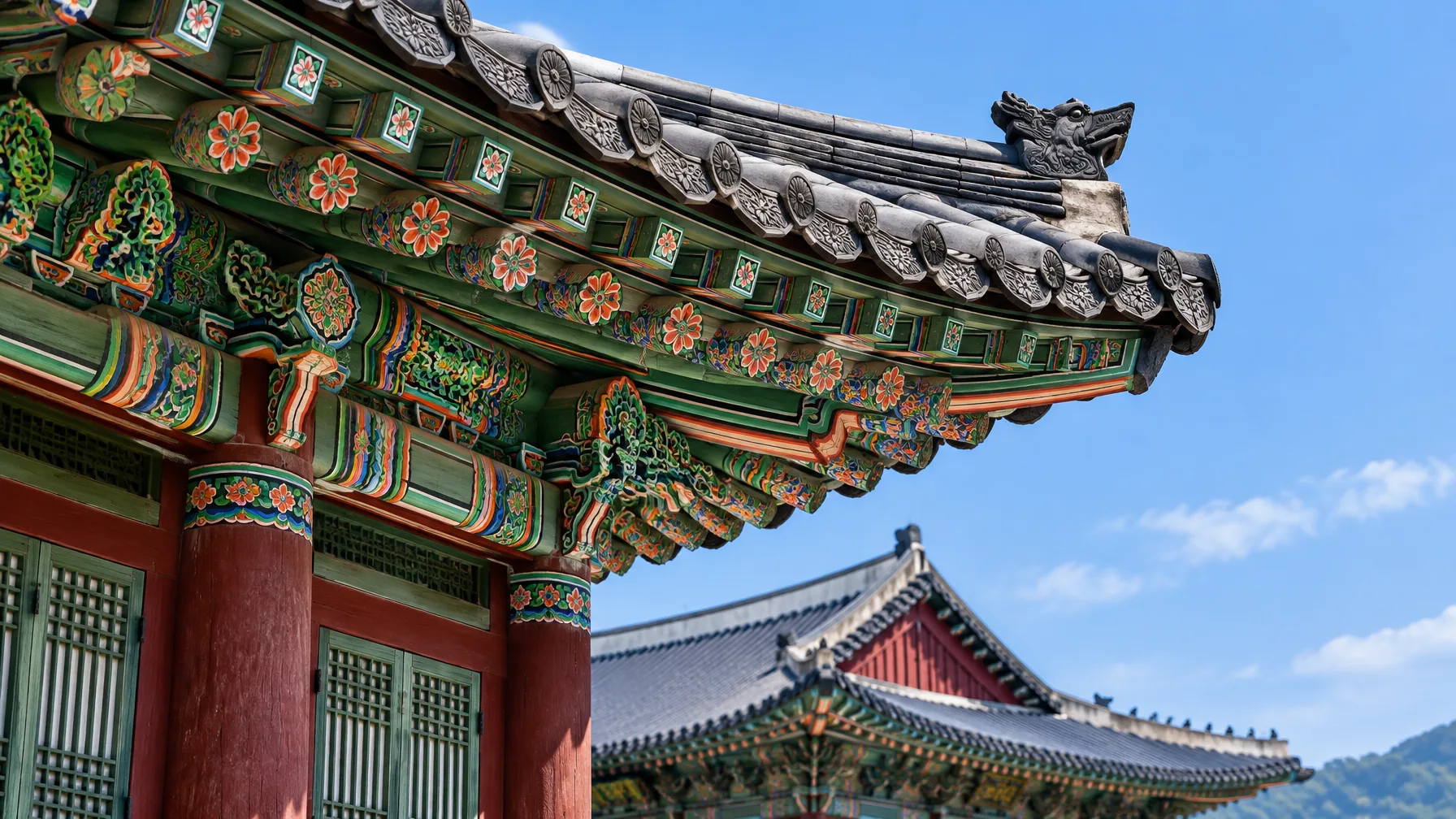
The Gyeongbokgung Palace history starts with the founder of Joseon. He built it in 1395 as the first palace of the new dynasty and as its official royal home. The name means 'palace greatly blessed by heaven,' which fits a building meant to anchor a brand-new kingdom.
About 500 buildings stood here, then came the demolitions
Around 1888 the palace is estimated to have held about 500 buildings. Nobody can pin down the original scale exactly, and estimates vary. The palace had burned in the Imjin War (1592-1598). The site then sat empty for 273 years before it was restored during King Gojong's reign.
The second loss came under Japanese colonial rule, when most of the buildings were torn down. Most were cleared in 1915 to make way for the Joseon Products Fair, an exhibition.
Only about 36 original buildings survive today
Roughly 36 original buildings are left, and the restoration is far from finished. About 20 more years of work remain, and rebuilding has only reached certain zones of the grounds. So many of the buildings standing now are restored or recreated rather than original.
That also means a section may be under repair when you arrive, so you may not see the whole layout in one visit.
How it compares with the world's biggest palaces
Lists of the world's biggest palaces rank by floor area or walled area in square meters. Gyeongbokgung's title is a rank among five, so it does not appear on that kind of ladder.
| Palace | Place | Area | Note |
|---|---|---|---|
| Forbidden City | Beijing | 728,000 square meters | Area inside the fortified walls; 980 buildings and 9,999 rooms |
| Palace of the Parliament | Romania | 365,000 square meters | Floor area |
| Istana Nurul Iman | Brunei | 200,000 square meters | Floor area; 1,788 rooms |
| Royal Palace of Madrid | Spain | Over 135,000 square meters | Floor area; 3,418 rooms |
| Gyeongbokgung | Seoul | No area figure available | Built in 1395; described as the largest of Korea's five palaces, but with no area to compare; about 500 buildings around 1888 (estimated) |
Guinness World Records calls the Forbidden City the world's largest palace. It calls Istana Nurul Iman the largest residential palace. Madrid's Royal Palace is the biggest royal palace in Europe and the official residence of the Spanish royal family. It is so large that only some rooms are on the visitor route at a time, and that route changes every few months.
Put the building counts side by side and the gap is plain: about 500 at Gyeongbokgung around 1888, against 980 in the Forbidden City. Gyeongbokgung's standing rests on its place inside Joseon history, not on the top of a global area chart.
'Largest' describes the old palaces, not today's footprint
The biggest slip is reading 'largest' as 'the largest palace in Korea right now.' The claim is a past-tense comparison among the Joseon royal palaces. It was never a survey of every palace in the country, and it is not a measurement of today's grounds. With the demolitions and the unfinished rebuilding, what stands now can differ from the old scale.
Two practical mistakes follow. The first is packing a first Seoul day with several palaces. Palace fatigue is real, so this palace deserves the best part of the day. The second is underdressing: if the weather turns cold, a layer under a winter coat helps on the open grounds.
Finding it at 161 Sajik-ro
The palace is at 161 Sajik-ro, Jongno-gu, Seoul, in the northern part of the city.
The palace sits in Jongno district. For how Jongno compares with Myeongdong and Hongdae as a base, see the guide: where to stay in Seoul.
Comments
No comments yet.