
Korean Idol Culture: Agencies, Training and Fan Albums
 AI-generated image
Korean idol culture is a system in which agencies such as SM Entertainment audition aspiring singers and dancers. They then train and promote them as idols. Fans take part too: when a new album drops, many buy several copies to lift sales and help break records. So a K-pop idol is less a solo artist who happens to get signed. The idol is more a performer built by a company and backed by an organized crowd. Here is how the pieces fit together, from the audition room to the record shop.
Agencies build the idol, fans push the record
 AI-generated image
SM Entertainment is one of the biggest Korean entertainment agencies. It is also known for helping shape what came to be called idol culture. Singers and dancers who want in audition at agencies like it. They hope to win a contract that comes with serious training and promotional backing. Once signed, a young performer becomes an idol trainee. The agency decides how that person is developed and presented.
That gives you a simple idol pipeline. It runs in four steps:
- Audition with an agency such as SM Entertainment.
- Sign a contract that covers training and promotion, and become an idol trainee.
- Debut and release an album.
- Fans buy the album, often more than one copy each.
The career is short by pop-star standards. Female idols typically change careers around 25, and male idols between about 30 and 45.
Why one album is never quite enough
 AI-generated image
Album sales are where the agency's business and the fans' devotion meet. Debuting an idol costs a lot, so agencies have a strong reason to squeeze out as much revenue as they can. Part of how they do it is an image of idols as pure and loyal to their fans alone. That image helps sell albums and concert tickets.
K-pop album buying isn't a guaranteed growth story, either. Worldwide K-pop album sales were lower in 2024 than in 2023. One possible reason is negative coverage of disputes between idols and agencies. Nobody's pinned down the cause, though.
In K-pop, the audience is part of the show
 AI-generated image
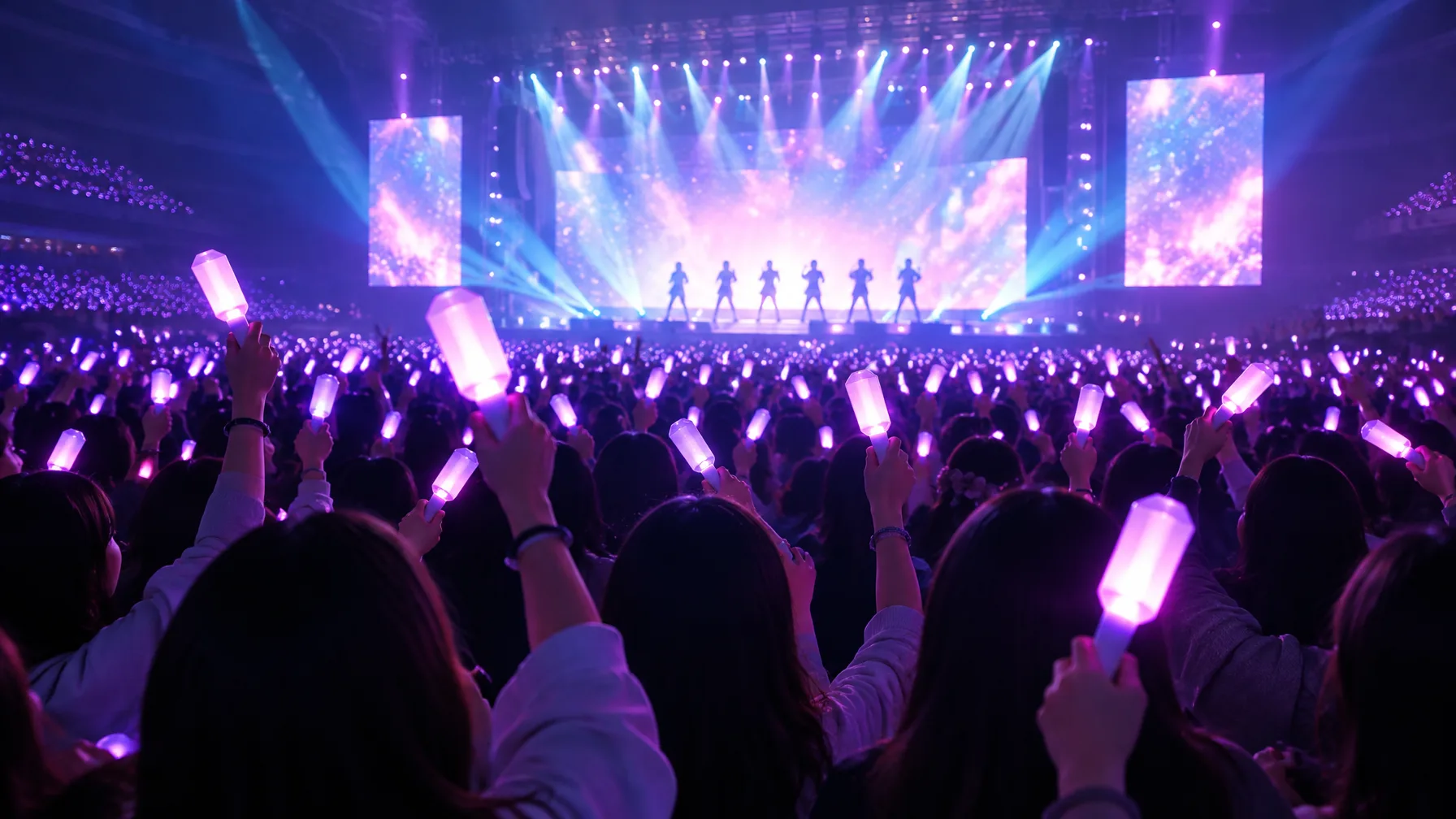
Western pop usually runs top-down. The industry makes most of the decisions, and the audience stays a passive consumer. K-pop is the contrast: K-pop fandom is hands-on, and fans act more like participants than listeners.
Music critic Im Hee-yun compares the bond between fans and idols to a romantic relationship. That helps explain the rules idols live under. They're treated like products and tightly controlled. Dating isn't allowed, or has to be hidden, and drinking or going out to places like Itaewon is off limits.
Because fans see idols as romantic partners, a dating rumor can set off a huge uproar. Western fans and media have had a hard time understanding that reaction.
Japan started it, and Korea joined in the 1990s
No, idol culture isn't only Korean. East Asian idol culture began in Japan in the 1960s and spread to neighboring countries over the following decades. It reached Korea and Taiwan in the 1990s and China in the 2010s.
| When | Where | What happened |
|---|---|---|
| 1960s | Japan | Idol culture begins |
| 1980s | Japan | Considered the golden age; idols start appearing in ads and TV dramas |
| 1985 | Japan | Onyanko Club debuts with a school concept, popularizing school uniforms as idol costumes |
| 1990s | Korea and Taiwan | Idol culture takes hold |
| 2010s | China | Idol culture takes hold |
Across East Asia, idols anchor a strong fan culture that cuts across both genders and has wide appeal. In Japan, the fan habit known as oshikatsu, devoted support of a favorite idol, traces back to the 1980s. Spending on oshikatsu goods is about 3.5 trillion yen a year, or 2.1% of annual retail sales in Japan. In a Toyo Keizai survey, 50% of respondents in their 20s called it a financial burden. So did 40% of those in their 30s and 40s. More than 1,102 costumes have been made for AKB48 since 2017.
Not every government is comfortable with all this energy. China issued a 10-point plan to curb harmful gossip and scandal inside fan groups. It also called for an end to harmful celebrity fan culture.
Idol life is more controlled than it looks
It is easy to assume an idol's life is all stage lights and fan love. Critics point to something tighter. Trainees can sign as young as about 12, and the company manages their diet, dating and behavior. Extreme training, strict diets and pressure toward plastic surgery can start while they are still minors.
There is also a clear power imbalance between agencies and their trainees and idols. Some contracts are known as slave contracts. In one case, unfair clauses included a termination fee of $86,200 to $129,000. That was more than a company was likely to have invested in a prospective idol. Former idol Jay Park has said agency training helped him in many ways. He also said it killed a lot of passion and creativity.
The pressure does not end at the studio door. Entertainers get blamed more harshly for mistakes than businesspeople or politicians. Fans' one-sided attachments can turn on idols over a boyfriend or a hobby. Red Velvet's Irene was attacked online for reading a feminist book, and some fans burned or defaced her photos.
Fame buys no exemption from everyday duties, either. Under the constitution, every man between 18 and 35 owes 18 months of military service, and idols are included. Efforts to reform standard contracts began in 2009, but the problems remain.
Comments
No comments yet.