
What Makes Korean Skincare Unique? Hydration First
 AI-generated image
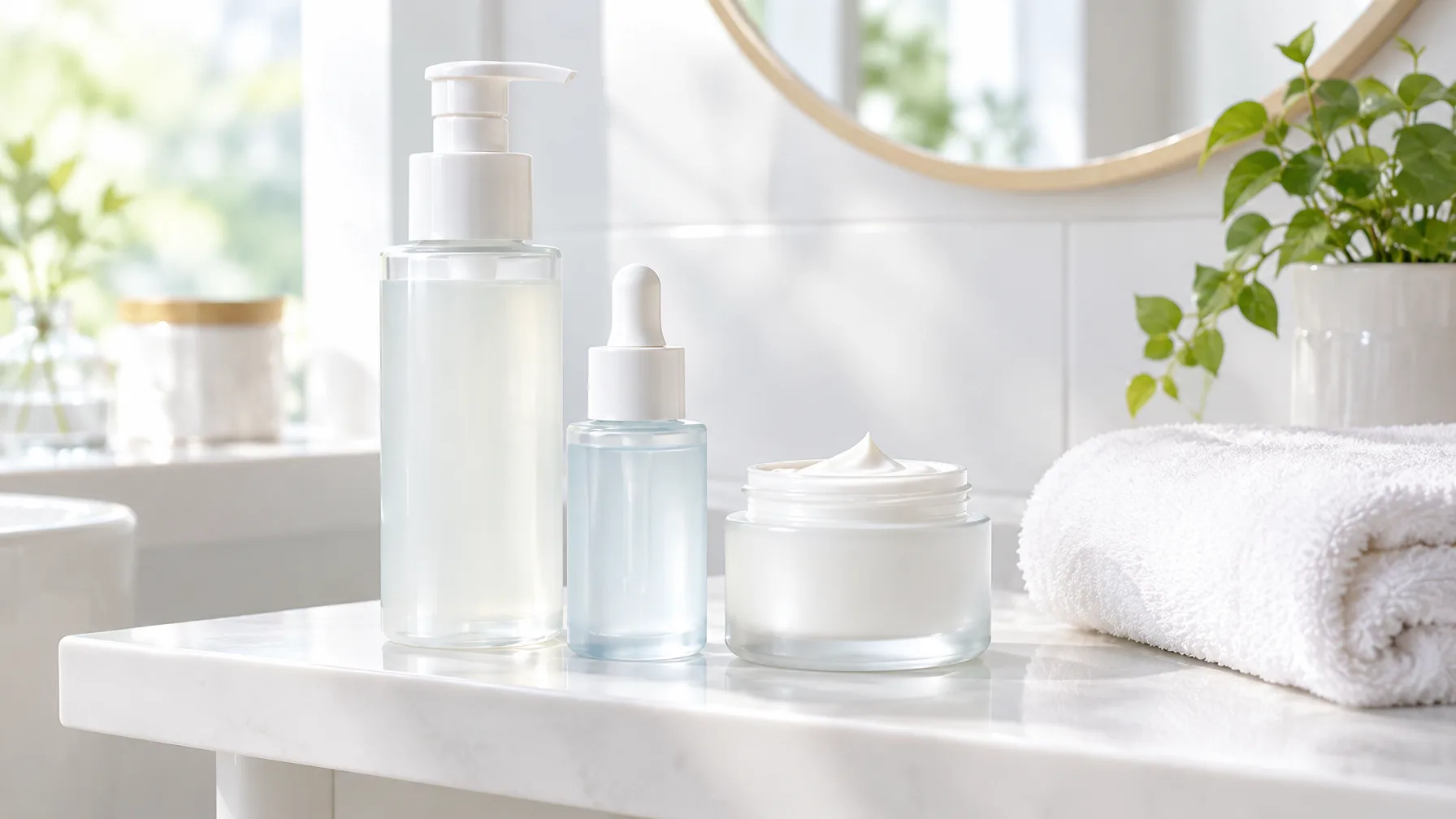
Korean skincare puts hydration and a healthy skin barrier first, aiming for a dewy finish, and that is the biggest difference from Western skincare. Even a Korean toner aims to hydrate rather than just balance pH. If you grew up with American drugstore routines built around strong actives, this is a different starting point. Below you'll find the routine, the ingredients, the trends and the limits, so you can separate the real differences from the hype.
Hydration and a healthy barrier are the starting point
 AI-generated image
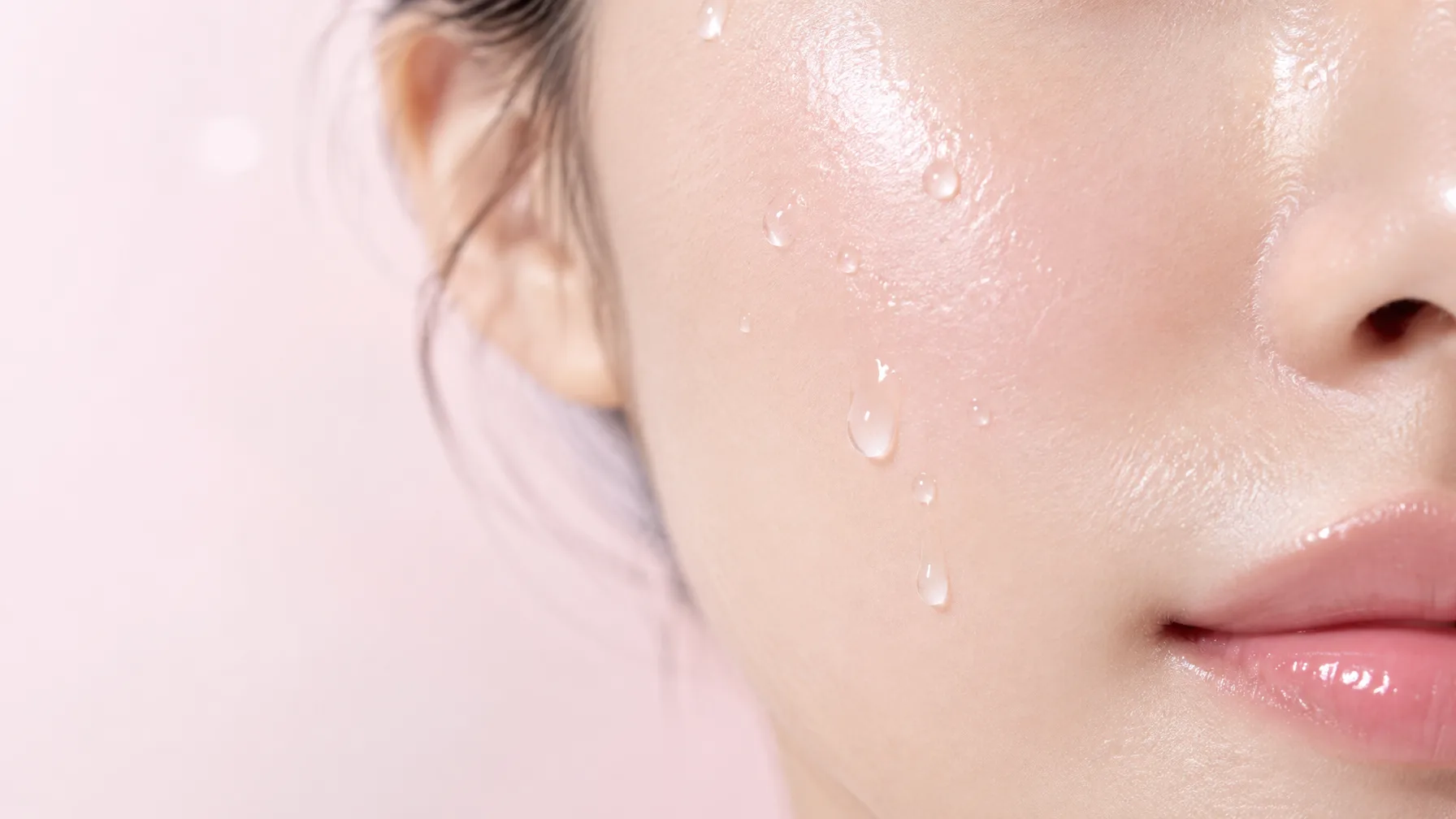
Think of the Korean approach as building skin that looks plump and moist first, then adding everything else on top. The glow people talk about is the result of that priority, not a filter or a single miracle product.
The range is wide, too. Korean skincare products are made for dry, oily, combination and sensitive skin. So "Korean" isn't a skin type. You still pick products for your own skin, just with hydration as the guiding idea.
A Korean skincare routine is layered, but the 10 steps are mostly a myth
 AI-generated image
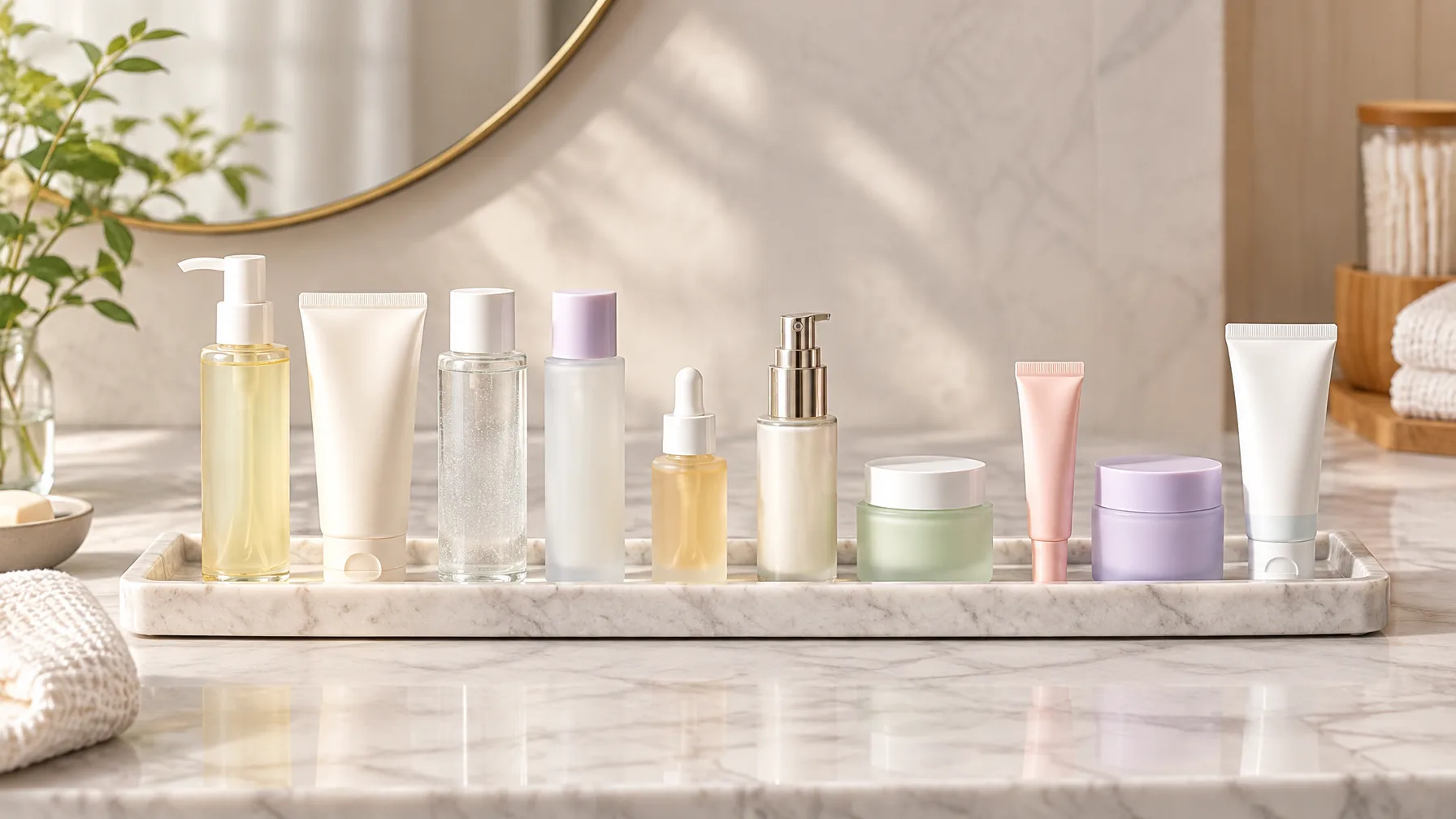
The famous Korean skincare routine runs ten steps. Sunscreen is the last one and only goes on in the morning, so a night routine adds up to nine. The essence sits in the middle of it all, a product conceptualized in Korea and a core step in the routine.
Here's the catch. The ten-step routine is closer to an exaggerated story than something most people in Korea do every day. Dermatologists also discourage using too many products. Pimples, irritation and other reactions can follow. If you're curious, start with a cleanser like Best Korean Cleanser for Glass Skin: Anua Heartleaf Foam. Then add one layer at a time.
Snail mucin, ginseng and cica: the ingredients behind the glow
 AI-generated image
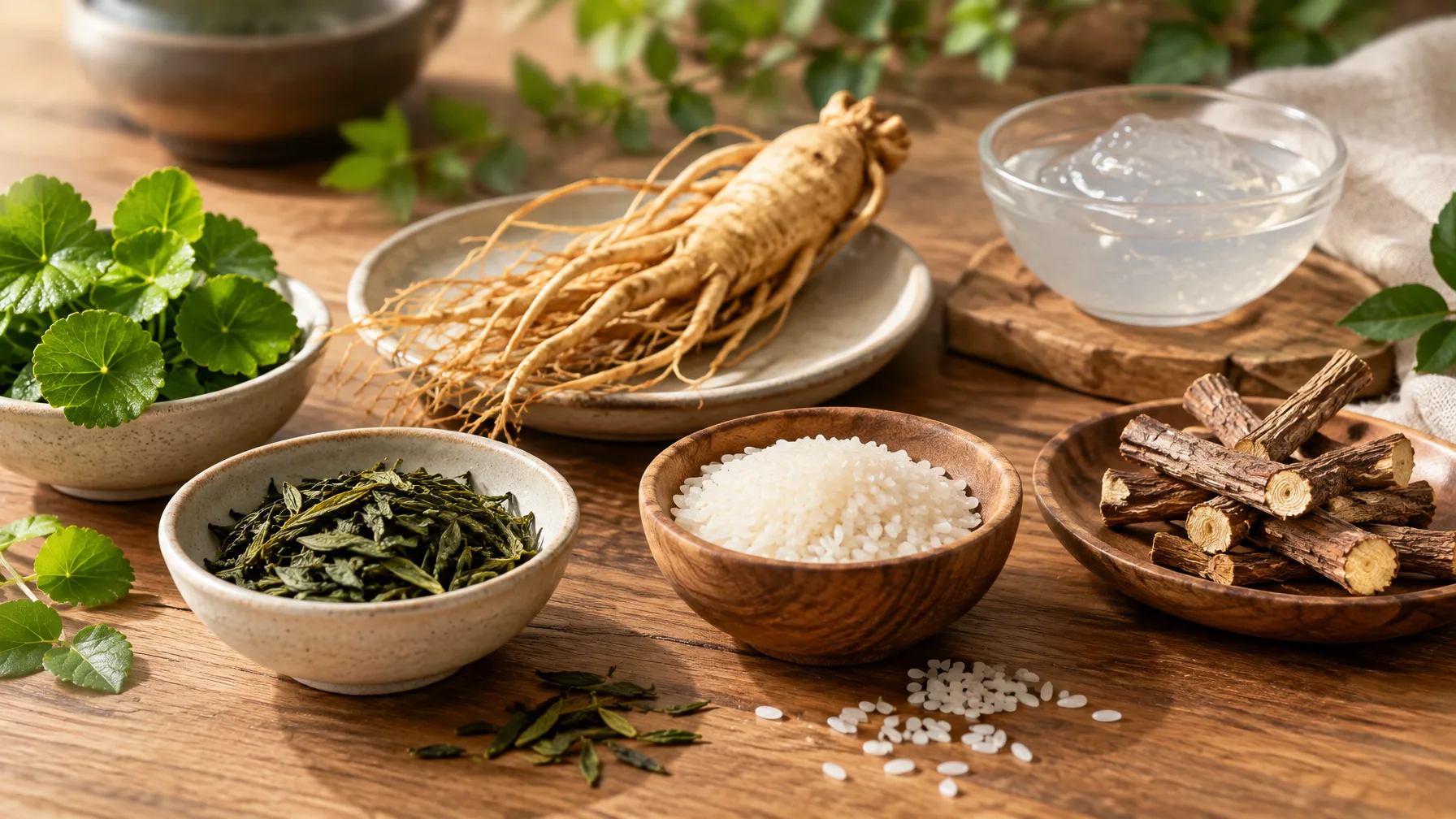
Korean skincare ingredients lean on a recognizable shortlist. Snail mucin, ginseng, Centella asiatica (called cica), licorice root, green tea and rice water show up again and again.
What they have in common is the job they do. They're there to nourish and calm the skin, and many are natural or fermented.
Korean and Western skincare, side by side
Many Western routines are built around strong actives like vitamin C, acids and retinol, and overdoing them can irritate and inflame the skin. Korean routines go the other way, focusing on calming and nourishing it. The comparison below sets the two side by side.
| What you compare | Korean skincare | Typical Western skincare |
|---|---|---|
| Toner | Aims to hydrate | Often judged by pH balance |
| Ingredient focus | Nourishing and soothing, often natural or fermented | Strong actives like vitamin C, acids and retinol |
| Sunscreen | Valued highly, with light, dewy textures and tone-up options | Effective, but not shown to be worse |
| Overall goal | A dewy finish and a healthy barrier | Results driven by active ingredients |
Glass skin, slugging and skip-care put Korean beauty on the map
Why is Korean skincare so popular? Part of it is the trends. The glass skin look, slugging, the seven skin method and skip-care all started in Korea. Skip-care means using multipurpose products that do more than one job.
The rest is reputation. Products made in Korea are strictly regulated, reasonably priced and expected to work. Koreans are also said to spend more on skincare than anyone else in the world, and Korea is estimated to be 10 to 12 years ahead of Europe and the United States in skincare and aesthetic procedures.
Better than American skincare? Sunscreen and other claims, sorted
This is where the hype needs a reality check. Korean sunscreen deserves its fans. Koreans take sun protection seriously. Korean brands are praised for SPF formulas that spread smoothly and leave skin looking dewy. Some even come in tone-up versions that brighten the skin tone.
Scientifically, though, Korean sunscreens are not better than European or British ones. At best they are equal, and the real advantage is a lighter feel. The same caution applies to the rest of the category. There is little solid long-term evidence behind some of the bigger efficacy claims.
Two more points are worth keeping in mind. First, overseas markets may be lagging behind on regulation, which could explain K-beauty's global spread as much as any unique power of the products. Second, a term like glass skin sets unrealistic expectations, because skin health depends on genetics, environment and lifestyle, and no single look can capture it.
Who may want to skip it: a quick checklist
The idea that K-beauty works for everyone is overstated. Layering lots of active products can irritate, especially on sensitive skin. Run through this list before you buy.
- Dry climates: these products were made for Korea's mild, humid weather. They often lack the occlusivity to stop water loss in dry places.
- Severe acne or active skin disease: prescription treatment may suit you better.
- Plant allergies: natural extracts can trigger a reaction.
- Barrier problems such as acne, rosacea, eczema or psoriasis: a multistep routine is more likely to cause side effects.
- A preference for a minimal routine: a layered approach may simply not fit your life.
The verdict: a gentler, hydration-led approach, not a miracle
Korean skincare stands out for gentler, soothing ingredients, where Western routines often lean on strong actives. It hasn't been proven better across the board, and it may not suit dry climates, very reactive skin or plant allergies. Borrow the hydration-first idea, add products slowly, and let your skin tell you what it likes.
Comments
No comments yet.