
Luxury Cosmetics Korea Brands: Sulwhasoo, DONGINBI, Yehwadam
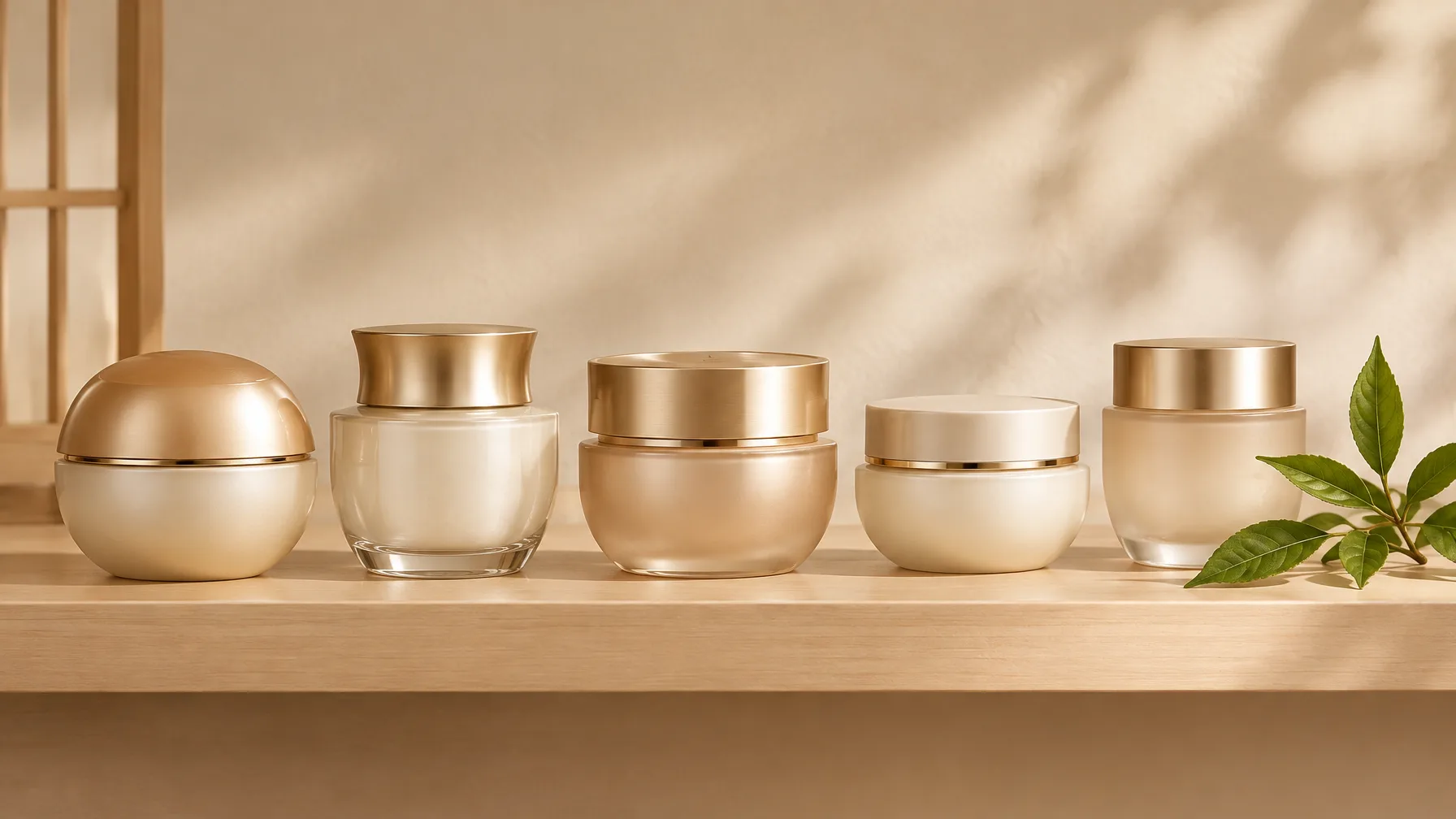 AI-generated image
Sulwhasoo, DONGINBI and Yehwadam are the Korean luxury skincare names to know. Sulwhasoo sits among the top-end lines in Korean skincare. DONGINBI is one of the priciest because it uses red ginseng. Yehwadam is a high-end hanbang (Korean herbal) line under LG. Two more names round out a list of cosmetics korea brands, and a few buying cautions matter as much as the brands themselves. Below you will find a one-glance cheat sheet, the story behind each name, and a short checklist to run before you pay.
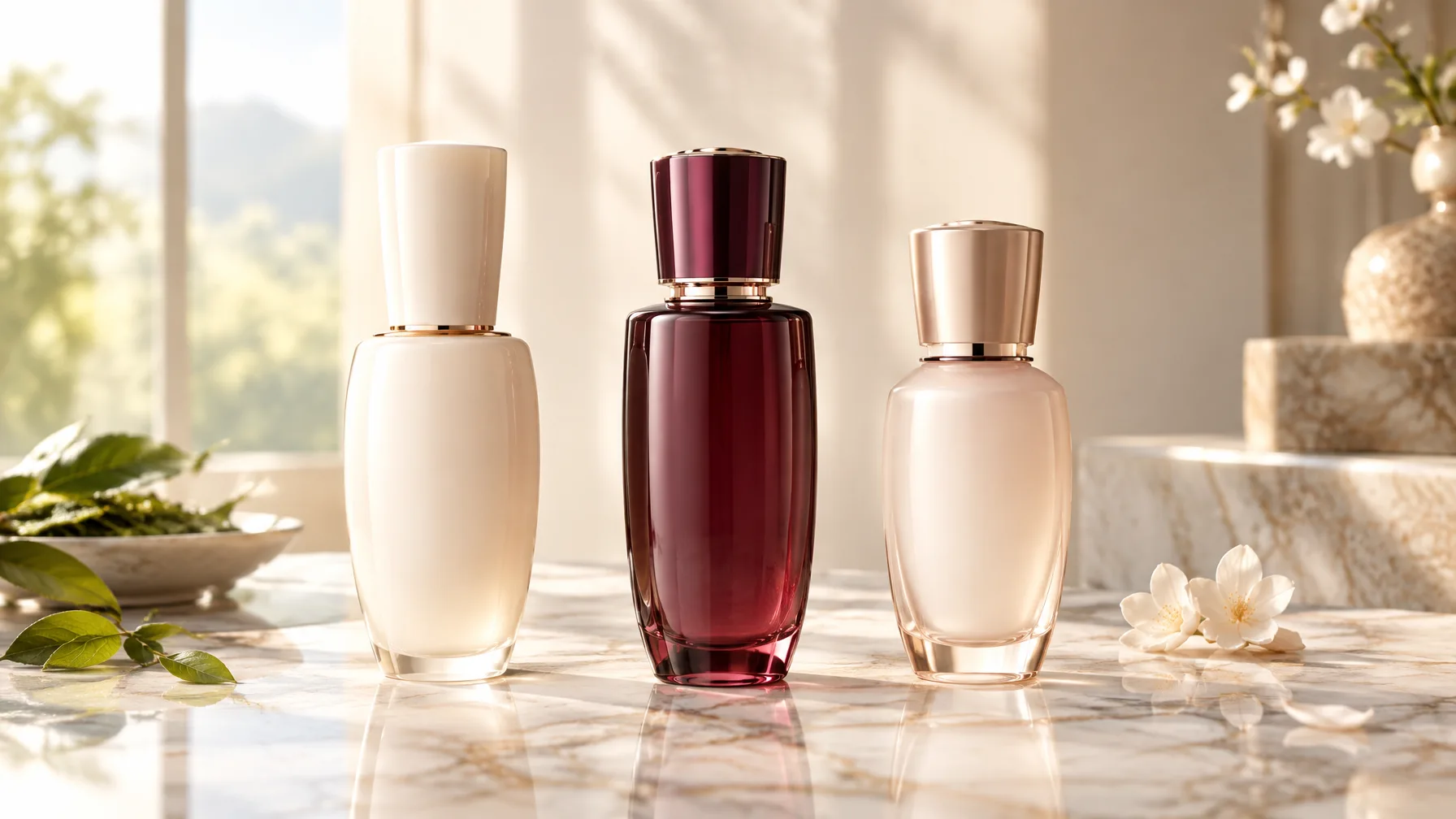
Sulwhasoo, DONGINBI and Yehwadam lead the luxury tier
 AI-generated image
Think of those three as the anchors. Amorepacific and O HUI join them, each with a clear angle of its own: green tea for one, de-aging research for the other. Together they make a compact top 5 Korean skin care brands shortlist for a first-time shopper. The table below works as a quick cosmetics korea brands list you can screenshot before you shop.
| Brand | Signature angle | Start here if you like |
|---|---|---|
| Sulwhasoo | Art and heritage | A brand story built on culture |
| Amorepacific | Green tea | Green tea as the main idea |
| DONGINBI | Red ginseng | A ginseng-focused luxury line |
| Yehwadam | LG hanbang (Korean herbal) | Herbal care with a big company behind it |
| O HUI | De-aging research since 1997 | A science-and-research pitch |
Each name stands for a different story
 AI-generated image
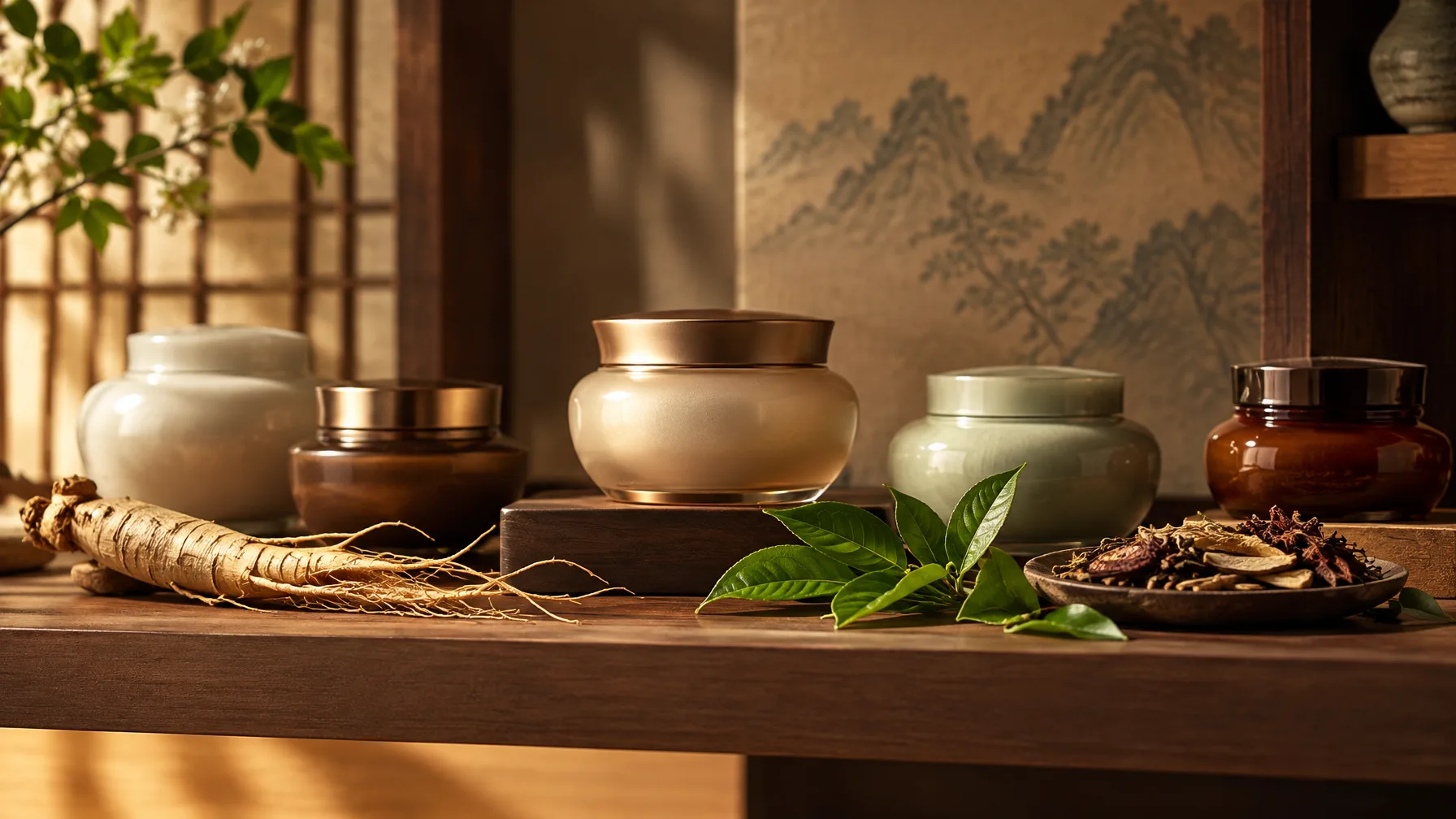
Sulwhasoo is one of the best-known top-end names in Korean skincare, and its brand message leans on art and heritage. So the pitch is about culture as much as it is about a single trendy ingredient. If you like skincare with a story behind the jar, this is the natural first stop.
Amorepacific specializes in putting green tea into its products. It is called a pioneer in that corner of Korean skincare. If green tea is the thing you want, start with this name.
DONGINBI built its identity on red ginseng, which is among the costliest ingredients in Korea's wellness world. Yehwadam takes the hanbang route instead, drawing on Korean herbal tradition and selling it as a high-end line under LG, one of the largest conglomerates in Korea.
If research matters to you, O HUI is the brand to look at. Its de-aging skin science has been developed through research since 1997, and that long track record is the main thing it has going for it.
A simple way to choose your first brand
 AI-generated image
Five brands can feel like a lot, but you don't need all of them. Pick the story that appeals to you, then buy one product rather than a whole set.
- Pick your angle: art and heritage, green tea, red ginseng, hanbang or de-aging research.
- Choose one brand that matches it.
- Start with a single product that fits your skin type.
- Buy it from an official seller.
- Patch-test it before it goes on your whole face.
Luxury lines sit at the opposite end of the shelf from budget ones. Many shoppers mix the two, with one splurge and a few basics.
Korean luxury isn't automatically the right fit for everyone. Shoppers over 40 often prefer European skincare for its richer, more nourishing textures. Europe is also seen as strong in high-end anti-aging, peptides and retinol stabilization. Some premium buyers see certain Korean products as less luxurious, even when the formulas are good, and cute packaging can add to that. Fragrance and packaging are two more areas where Europe is said to lead. Innovation isn't the same thing as quality, and neither approach wins by default.
Glass skin comes from a routine, not one serum
"Glass skin" is the glowing, smooth look many Korean brands promise. It comes from a steady, multi-step routine, not from one product. Buying a single serum on that promise is an easy way to end up disappointed.
K-beauty marketing also has a habit of overpromising. Plenty of shoppers have paid for products that did not match their skin type. A luxury label does not fix that. Match the product to your skin first, and treat the glow as a long-term result.
Unofficial sellers, stacked actives and skipped patch tests
Popular Korean brands also show up at unofficial sellers, including in the EU. Those products may not meet local safety standards or may have been stored badly. In the worst case, they're fakes. Luxury prices make that risk costlier, so buy from the brand's official channels or an authorized seller. If you shop from the US, here is one option to check. Our piece on how Ohlolly ships authentic K-Beauty from Los Angeles walks through it.
The second slip is stacking. Say you buy retinal, vitamin C and snail mucin filtrate all at once. Without thinking about how they interact, you can weaken your skin barrier and cause irritation. Add one new active at a time.
The third is skipping the patch test. Even snail mucin, which suits most skin, can bring individual intolerance, so any new product should get a patch test first.
- Is the seller official or authorized?
- Does the product fit your skin type, not just the hype?
- Are you adding only one strong active at a time?
- Have you patch-tested it?
- Do you need the whole set, or will one product do?
Start with the big three, then add green tea and de-aging research
Start with Sulwhasoo, DONGINBI and Yehwadam as the luxury names. Then add Amorepacific for green tea and O HUI for de-aging research. Buy from official sellers, not unofficial resellers, and patch-test anything new. Pick one story, one product and one trusted shop, and your first luxury purchase will feel calm instead of risky.
Comments
No comments yet.