
Travel Essentials
Is $100 a Lot of Money in Korea?
Is $100 a lot of money in Korea? It depends on what you’re paying for. One reported Seoul standard twin room cost $100 for one night, including fees.

Is $100 a lot of money in Korea? It depends on what you’re paying for. One reported Seoul standard twin room cost $100 for one night, including fees. The other expenses below are mostly in Singapore dollars, so they aren’t direct comparisons. Without an exchange rate or broader price data, these examples can’t establish a general answer.
$100 covered one reported hotel night
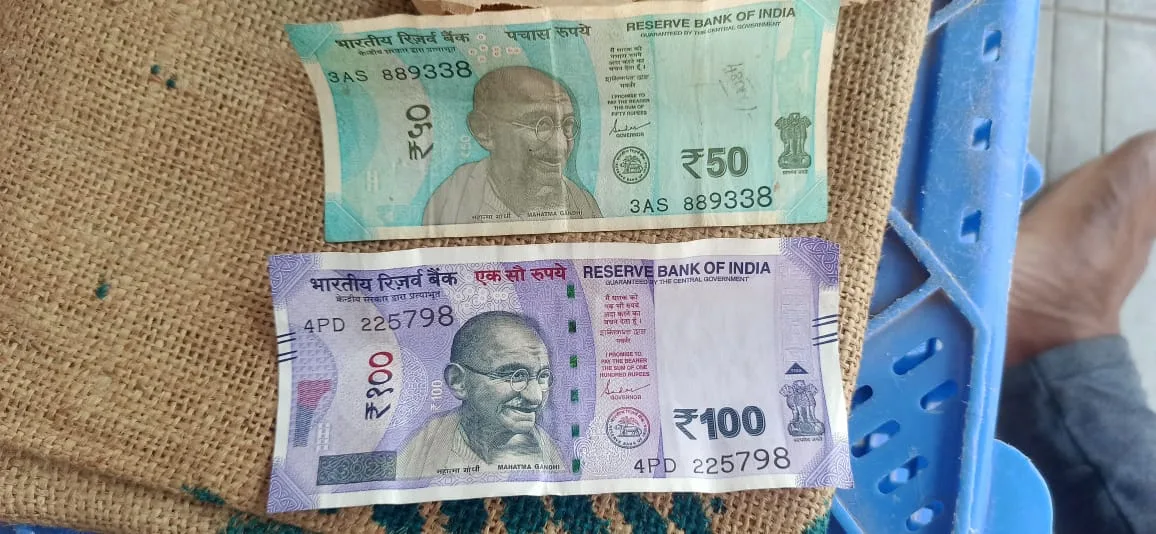 Photo: Saran Rengaraj / Wikimedia Commons (CC BY-SA 4.0)
That Seoul hotel cost gives us a concrete purchase: a standard twin room for a night, with fees included. It does not describe a full day’s spending or a typical room across Korea.
Is $100 a lot of money in Korea? Start with the currency
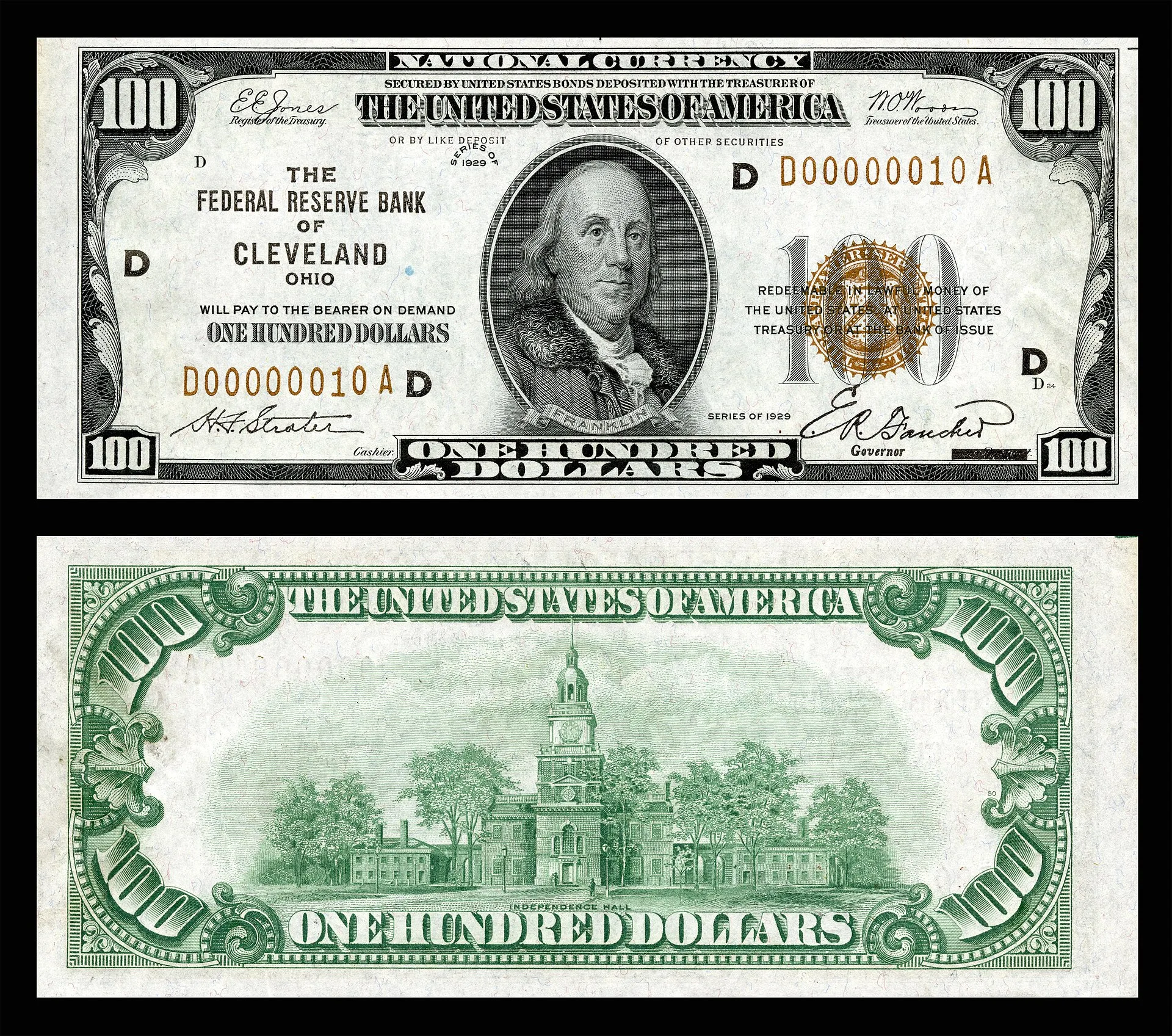
For us coming from the US, a dollar sign can look familiar enough to skim past. Here, S$ means Singapore dollars, not US dollars. The hotel’s $100 figure does not identify which dollar currency it uses. I keep those labels separate rather than treating every dollar amount as interchangeable.
From meals to getting around: the amounts stay labeled
After accommodation, meals were my next everyday expense. I spent an average of S$10–15 per meal. That gives Korea meal costs a useful place in this snapshot, but it is not a US-dollar meal estimate.
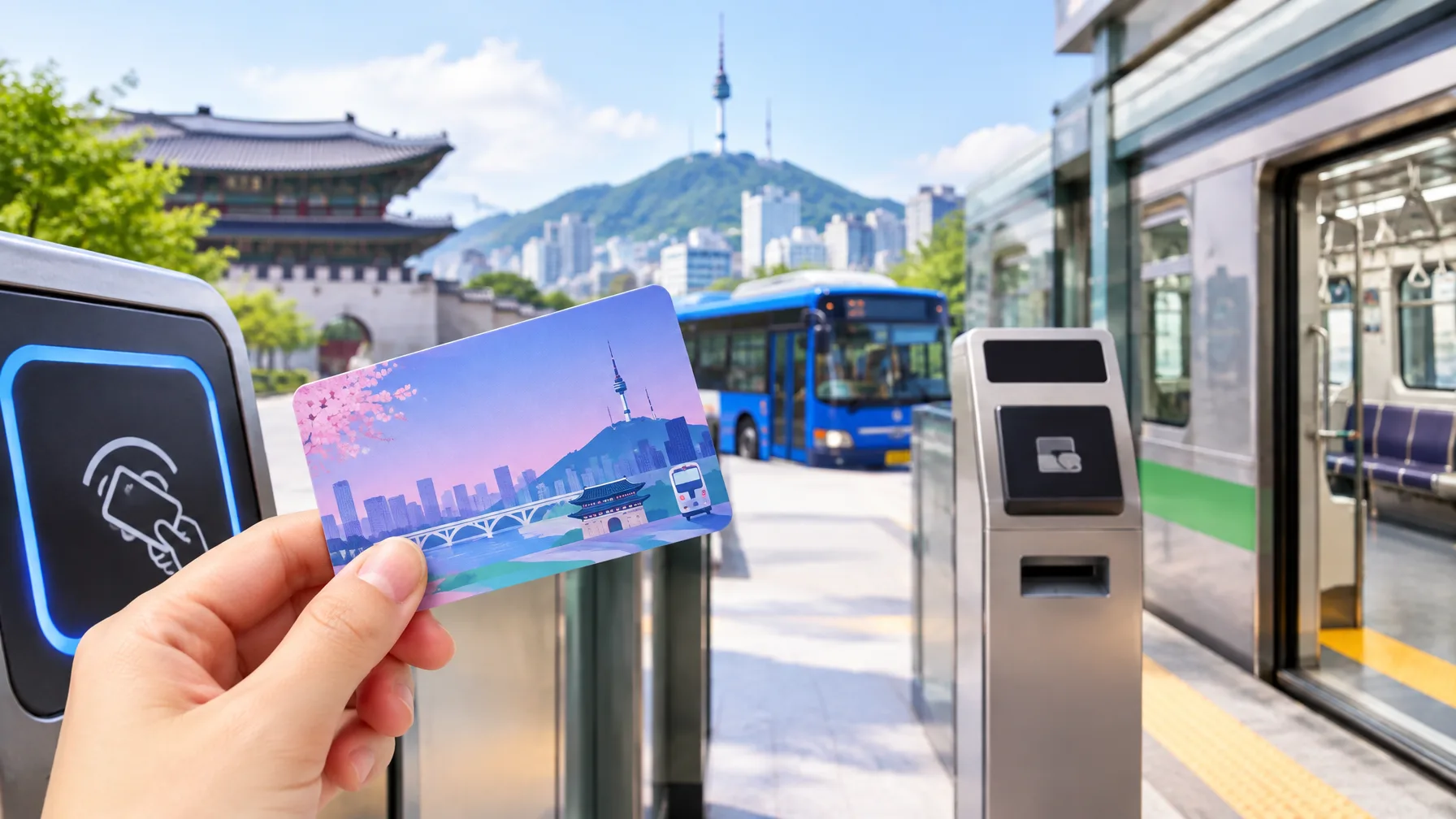
Then came getting around. With plenty of travel, my T-Money cost came to about S$109. Transportation problems also led to S$73 in taxi spending. That extra expense is why I wouldn’t build a Korea travel budget around the room price alone.
My optional spending included about S$116 for paragliding in Danyang and about S$130 for a hair perm. Those purchases belong in a different category from meals and transportation. They show how personal choices can change Korea travel expenses.
Two other reported purchases add context without settling the question. One visitor booked Seoul accommodation for four nights at $356, with the dollar currency unspecified. Another visited a Hongdae shoe store and described most shoes as costing about S$20.
A room night is not a daily budget
The easiest mistake is comparing S$10–15 for a meal directly with the hotel’s $100. Another is reading about S$109 in T-money spending as a daily fare or the price of the card itself. It was spending associated with substantial travel, not a stated daily amount.
I’d use these figures to separate spending categories, not to promise what $100 in Korea will buy. One hotel quote cannot establish typical hotel prices, much less the cost of an entire trip.
Go deeper on the transit-card part
For the practical steps behind using the card, there’s a separate walkthrough:
[T-money Card in Seoul: How to Buy, Top Up, and Use It]( /plan-your-trip/getting-around/t-money-card-in-seoul-how-to-buy-top-up-and-use-it/)
For the money question, the distinction stays simple. The reported room was $100 per night, including fees. The Singapore-dollar expenses need an exchange rate before any US-dollar comparison. Broader price data would still be needed to say whether $100 is generally a lot in Korea.
Related Stories
More Travel Essentials →
First-Time Korea
Do U.S. Citizens Need a K-ETA for Korea?
Do US citizens need K-ETA in 2026? No, not for tourism, visiting relatives, or attending an event. U.S. citizens taking those trips do not need a K-ETA through December 31, 2026.

Getting Around
Getting from Incheon Airport to Myeongdong: Bus or AREX?
Searching “myeongdong korea airport”? Take the limousine bus if your hotel is close to its stop. Adult fares are often ₩16,000–₩17,000.
Getting Around
T-money Card in Seoul: How to Buy, Top Up, and Use It
A T-money card is a reloadable transit payment card for subway and bus rides. Buy one at a convenience store or a subway station, then add balance at either location.
Comments
No comments yet.